After you send the request, you're done searching.
A gas boiler that isn't venting right can put carbon monoxide into your house without any smell or smoke to warn you. Soot near the draft hood, a yellow flame instead of blue, rust or water stains around the flue pipe, a headache that shows up when the boiler's been running and clears when you leave the house. Any one of those is reason enough to stop guessing and get it looked at.
Most homes in Kansas heat with gas, and most of the year that boiler is working hard to keep up with winter here. A crack in the heat exchanger or a blocked vent doesn't always make noise. It just leaks. The only way to know for sure is to have someone open it up, check the flue, and test the air with the right equipment.
This isn't something to sit on while you get quotes from three different companies and compare who calls back first. You shouldn't have to spend your evening on the phone describing the same symptoms over and over to find someone who actually works on boilers and can get out to your house.
Send the form on this page and that search becomes someone else's job. You stop being the one who has to find a contractor, vet them, and explain the problem from scratch. That part is off your plate the moment you hit submit. What's left is the actual repair, which still takes a licensed contractor's hands and judgment, not a shortcut. But the finding-someone part, the part that eats your evening and your patience, that's handled.
Below, you'll find the specific signs to check tonight, what they usually mean, and what a contractor will do once they're at your door.
A gas boiler that isn't burning clean shows it in a few specific ways. Soot staining the draft hood or the area around the burner is one. A flame that burns yellow or orange instead of steady blue is another, since a clean flame means clean combustion and a dirty one means it isn't. Rust or streaks of moisture on the flue pipe mean exhaust is condensing instead of leaving the house, which is the same failure that lets carbon monoxide back up into your basement or utility room. Some people get a headache or feel sick only when the boiler has been running a while, then feel fine once they're outside or the boiler cycles off. None of this comes with a smell, because carbon monoxide has none. A boiler doing this needs to be shut off and looked at, not watched for a few more days to see if it gets worse.
Before you get your boiler repairAfter you get your boiler repair
A boiler needs two things to burn gas clean: enough air going in and a clear path for exhaust going out. When either one fails, carbon monoxide is the result. Air gets cut off when a room the boiler sits in gets closed up or when something blocks the intake. Exhaust gets trapped when the flue pipe has a rust hole, a loose joint, or a gap where it meets the boiler. Even a cracked heat exchanger can do it, letting flue gas mix straight into the air the boiler is heating, and that can happen without leaving any soot behind to see. Wind and exhaust fans play a part too. A draft hood is built to pull exhaust up and away, but a strong gust or a kitchen fan running nearby can push that exhaust back down into the room instead. None of this comes with a smell, which is why a tech runs a combustion analyzer rather than going by what anyone in the house has noticed. A yellow flame is the one sign you can actually see, and it means the same thing underneath: not enough oxygen reaching the flame to burn the gas all the way through.
How carbon monoxide actually gets out
A boiler burns gas clean when it gets enough air, so a blocked flue or a closed-off room starves the flame and lets carbon monoxide build up instead of venting out.
The flue pipe carries exhaust up and out, and any gap, rust hole, or loose joint in that pipe lets carbon monoxide spill into the house instead.
A heat exchanger that's cracked lets flue gas mix with the air your boiler is supposed to be warming, which is why cracked exchangers get flagged as a carbon monoxide risk even with no visible soot.
Carbon monoxide has no smell on its own, so a tech checks for it with a combustion analyzer rather than relying on what anyone in the house notices.
A draft hood works by pulling exhaust up and away, and a strong wind or a nearby exhaust fan can sometimes push that exhaust back down into the room.
Yellow burner flames mean the gas isn't getting enough oxygen to burn all the way, and the leftover byproduct of that incomplete burn is carbon monoxide.
Why a boiler makes CO at all
A gas flame needs enough air to burn all the way to carbon dioxide and water vapor. When it doesn't get that air, some of the fuel turns into carbon monoxide instead, and that gas has nowhere to go but into your house if the flue isn't carrying it out. This is why the signs cluster around two things: the flame itself and the path the exhaust takes afterward. A boiler can run for years without trouble and then start producing CO the week a flue joint rusts through or a vent gets blocked by a bird nest or debris.
A detector won't catch everything early
A carbon monoxide detector near your boiler is worth having, but it's built to sound an alarm at levels already high enough to matter, not to flag the early stage where a flame has gone slightly yellow or soot has started collecting. That's why the physical signs come first. Checking the draft hood and flue pipe for staining, and glancing at the flame color when the boiler fires, catches a problem before it reaches the level a detector responds to. Kansas winters mean the boiler runs for months at a stretch, which gives a developing problem plenty of time to show itself if you're looking.
Winter nights average 23°F statewide
Nights here average 23°F through December, January and February, so your boiler is running long stretches to keep up, often overnight while you're asleep. That's exactly when a venting problem is hardest to catch, since nobody's awake to notice a flame color or a smell.
NOAA nClimDiv 1991-2020 county normals weighted by homes
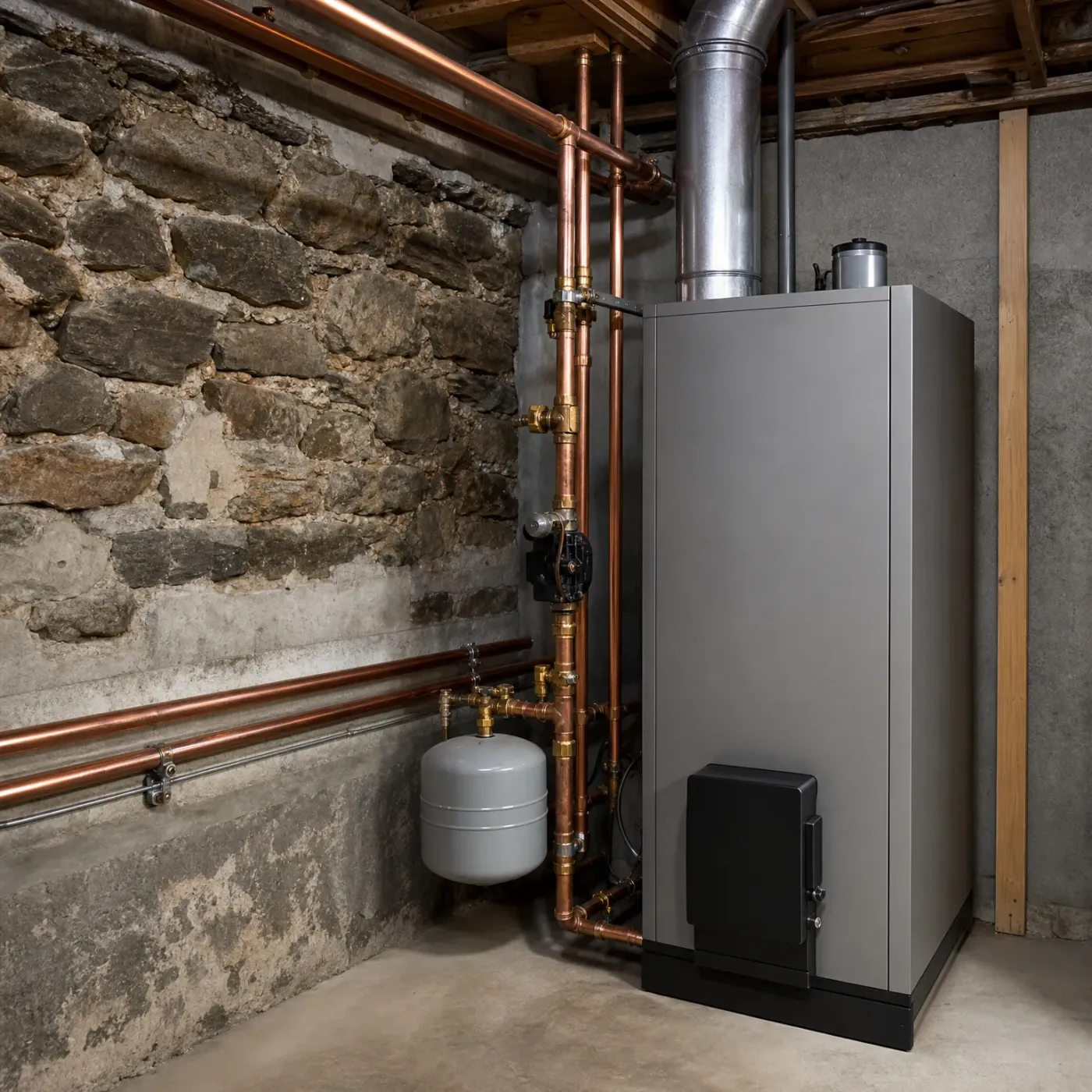
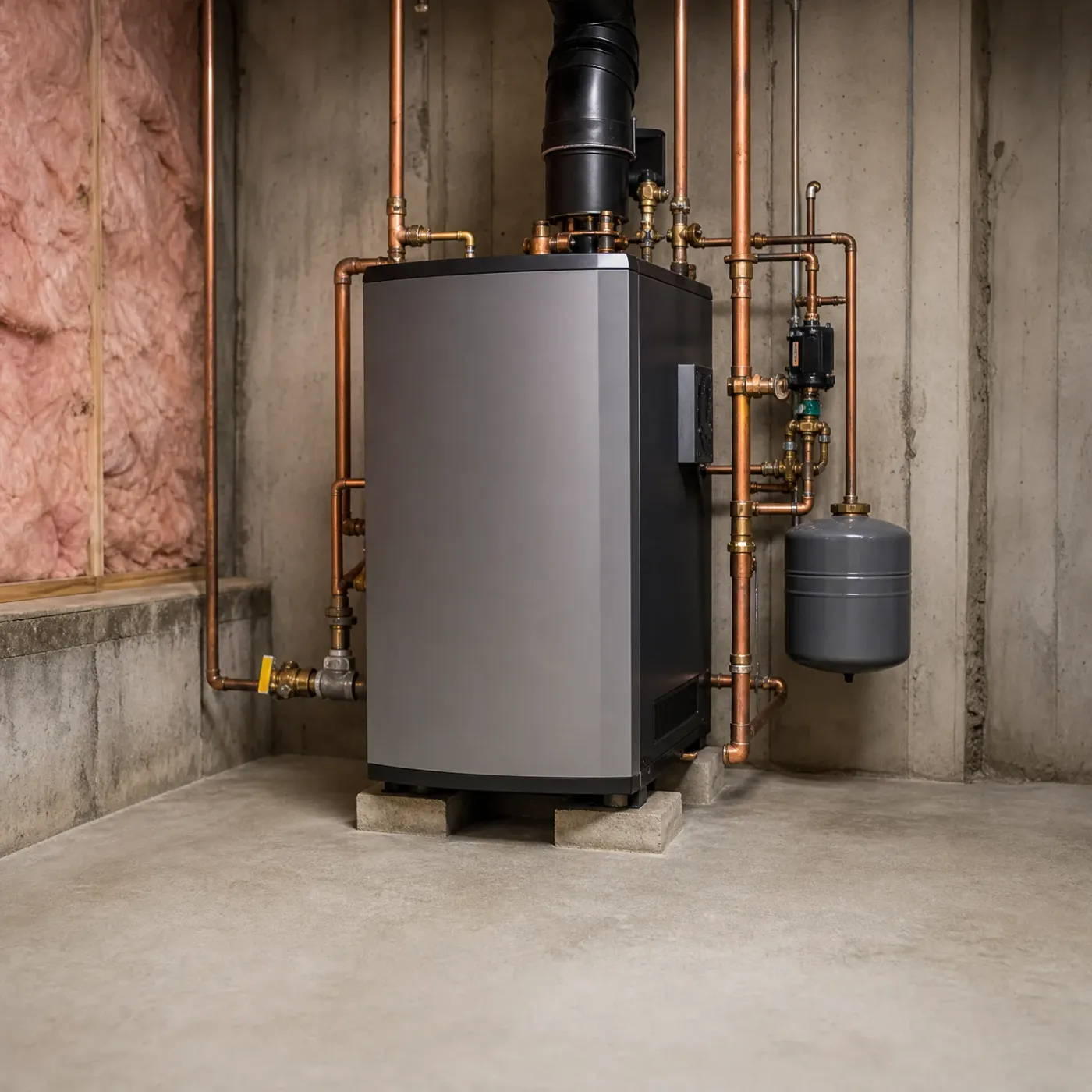
Boiler venting correctly
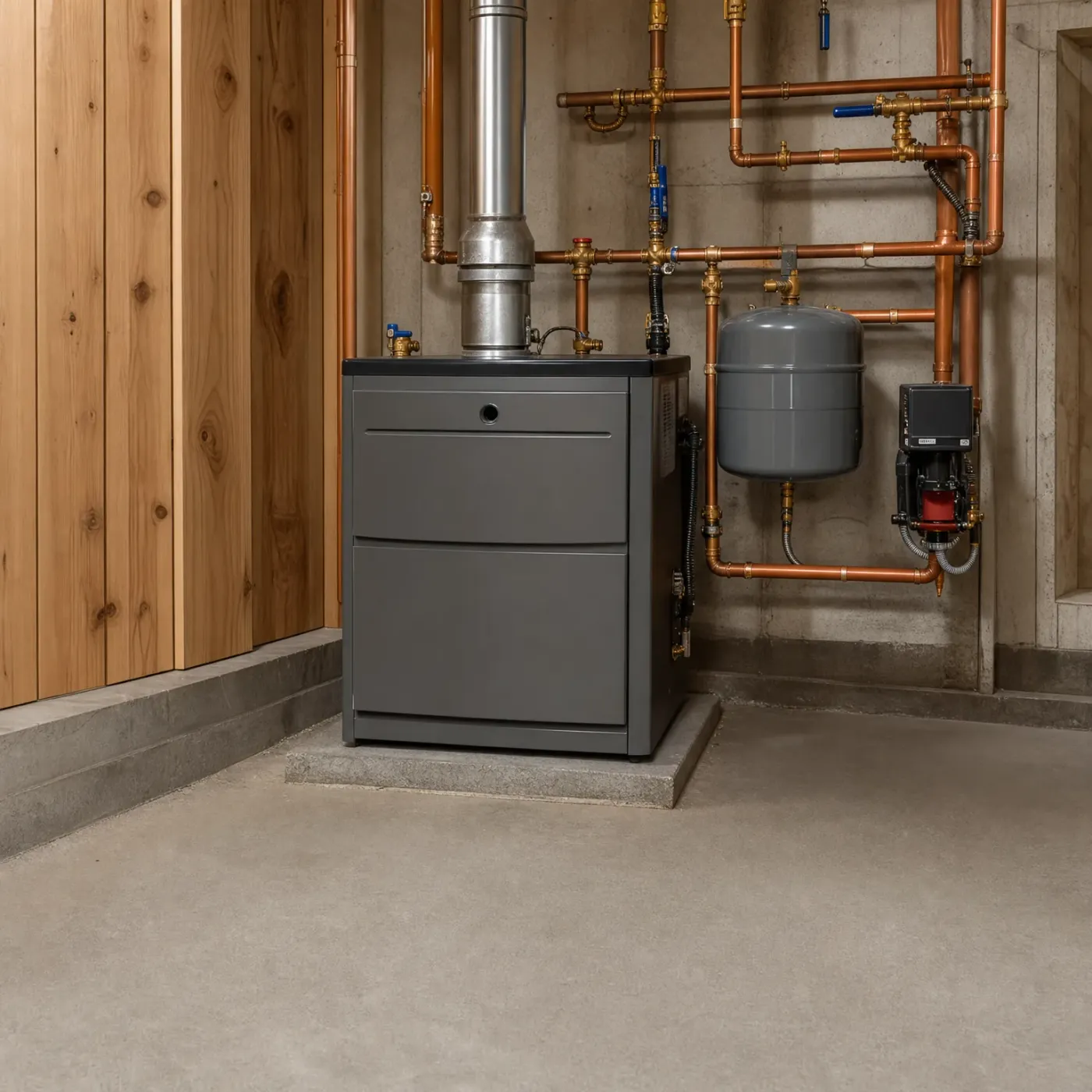
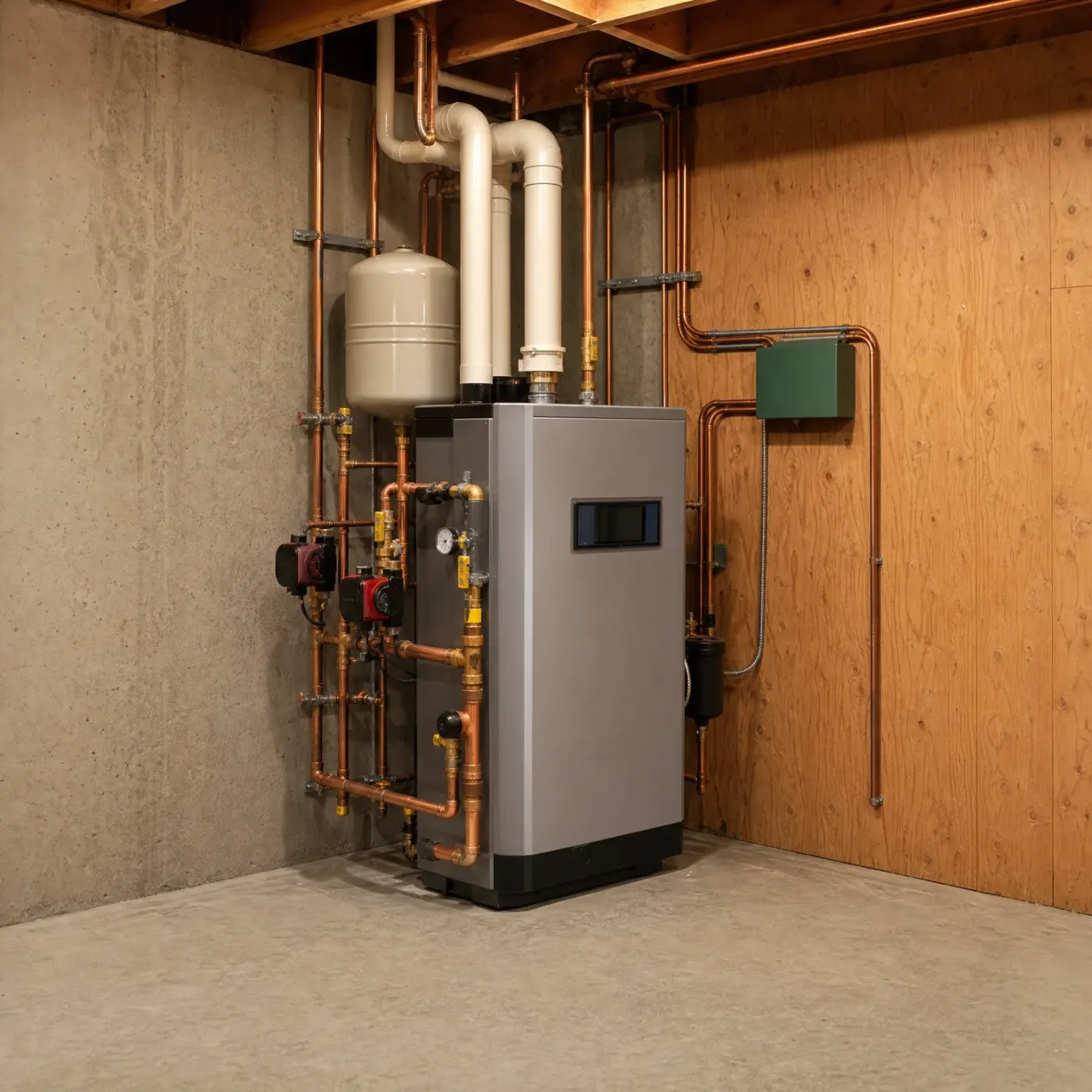
A clean installation like this moves exhaust straight out through the flue, with every joint sealed tight. Gas burns blue, the pressure gauge holds steady, and carbon monoxide leaves the house as fast as it's made. This is what a safe setup looks like.
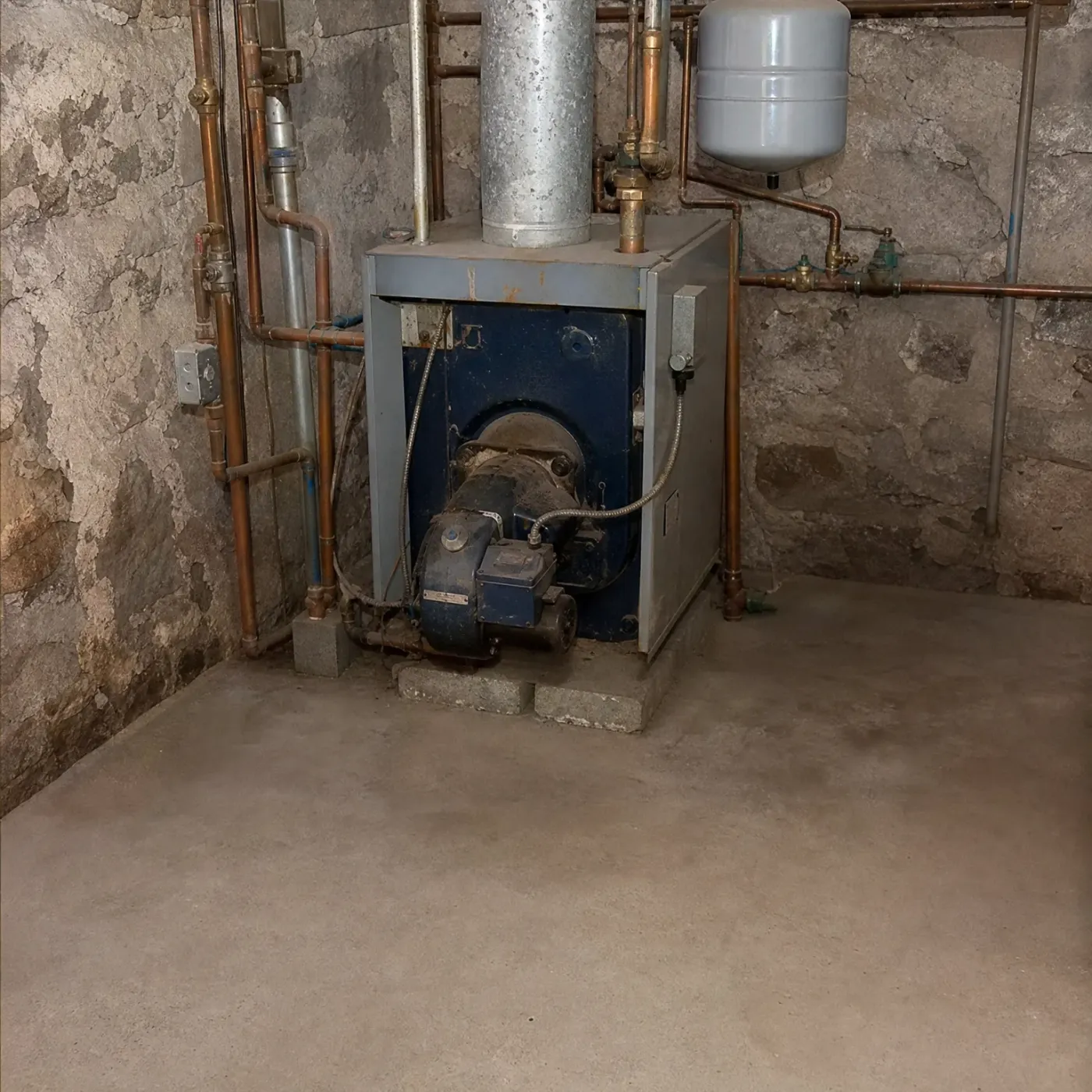
Boiler in trouble
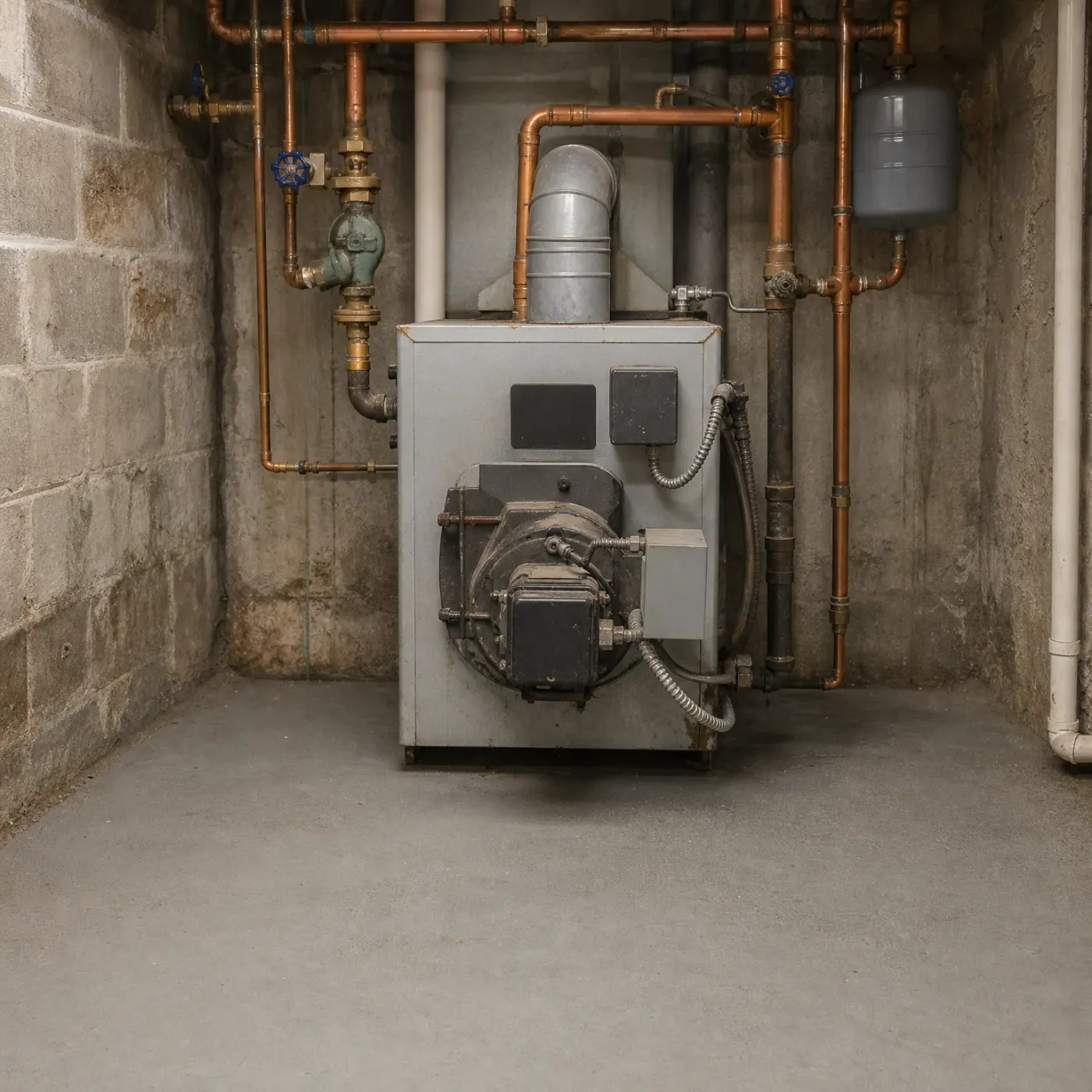
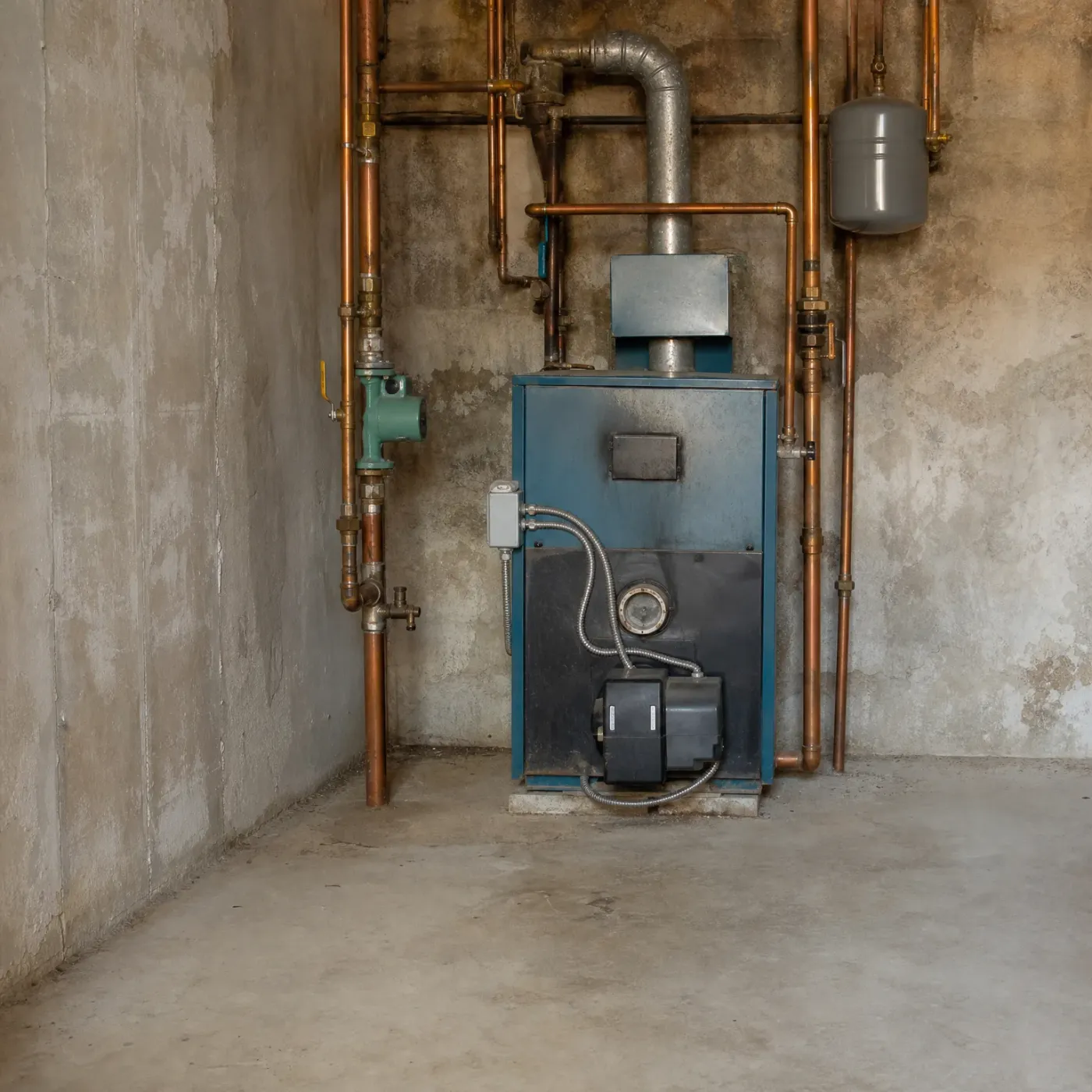
Against a bare concrete wall, a galvanized flue pipe like this one is where rust and gaps usually start. Once a joint works loose or the metal corrodes through, exhaust stops going outside and starts going into your basement instead. Nothing about it looks dramatic from across the room.
Done looking for a boiler pro
Describe your boiler job once, to one pro.
Send the request today and stop worrying about who to call.
No charge to send it. You decide if you hire them.
Ignore It or Get It Fixed
Ignore it
A CO alarm that chirps once and stops still means the gas went into your air, even if it quiets down on its own.
Waiting to see if the headaches keep happening means more nights breathing low-level CO while you decide.
A yellow flame left alone doesn't fix itself, it means the burner keeps running starved for air every time it fires.
Rust around the flue pipe only gets worse, and a hole that's small today vents less exhaust outside next month.
Opening a window to air out a room clears that one room, not the boiler problem making the gas in the first place.
Get it repaired
A contractor can test the flue draft and the gas pressure to find exactly where the combustion is going wrong.
Fixing a rusted or gapped flue joint stops the exhaust path that was letting CO back into the house.
Correcting the air supply to the burner brings the flame back to blue and stops CO from forming at the source.
Once the venting is right, a CO detector near the boiler is confirming safety instead of warning of a problem.
Sending the details once means you're not calling around or re-explaining the same soot stains and yellow flame to every contractor you reach.
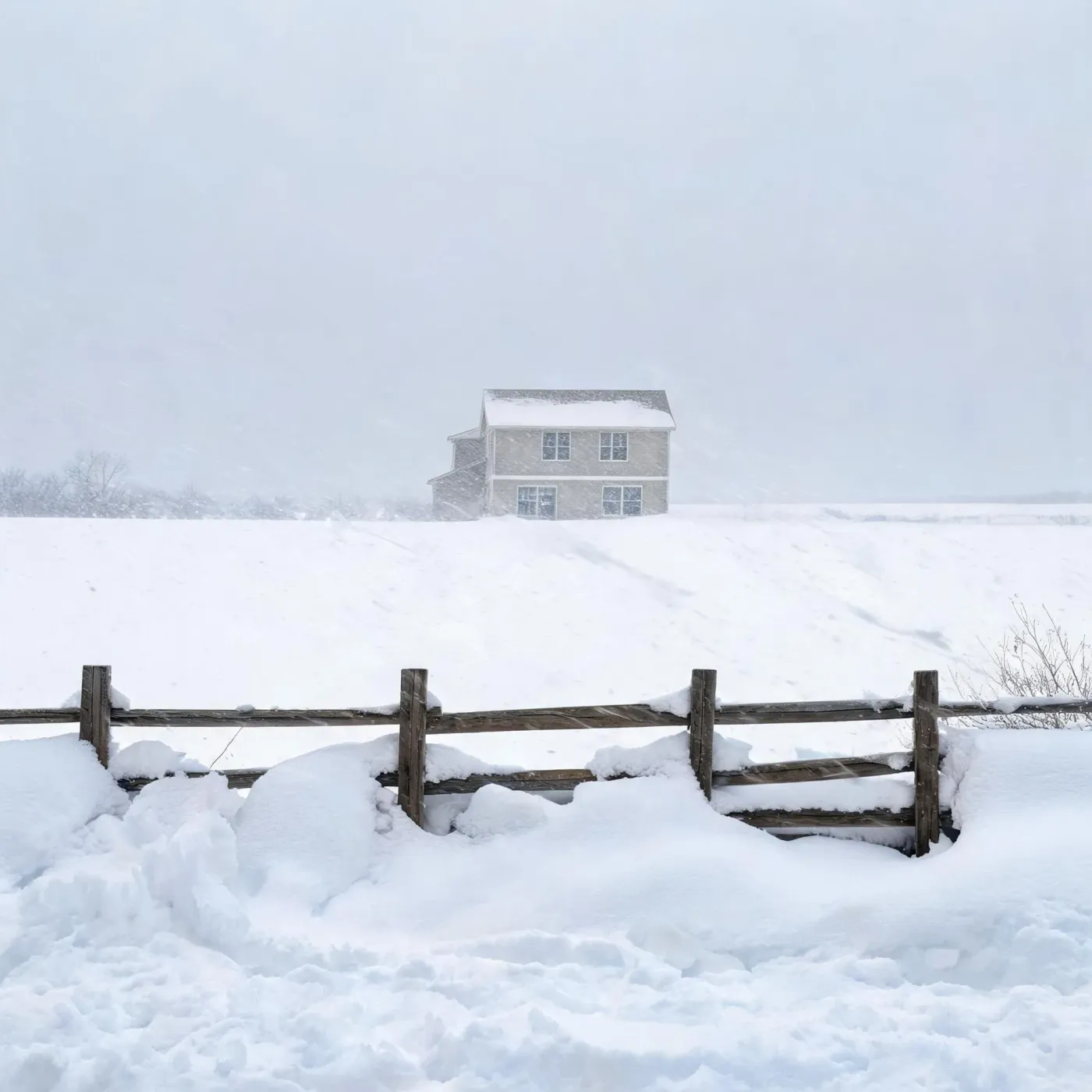
Winter nights average 23°F statewide, according to NOAA climate data, and that's the kind of cold that keeps a boiler firing for hours without a break. A long burn cycle means more time for a bad flue connection or a blocked vent to push exhaust back into the house instead of outside. You won't see it happening. What you might notice is a room near the boiler that stays stuffy or warmer than it should, or a flame, if you check it, that looks orange instead of blue. On the coldest nights, the boiler isn't cycling on and off so much as running steady, and that's when a venting problem has the most time to do damage before morning.
NOAA nClimDiv 1991-2020 county normals weighted by homes
Does a boiler carbon monoxide alarm always mean a leak?
A CO alarm going off near your boiler is unsettling, and the first instinct is to wonder if it's a false alarm, maybe dust in the sensor or low batteries. You want to know if you can reset it and move on, or if the sound means something is actually wrong with your boiler right now.
Treat every alarm as real until a contractor checks the boiler
A CO alarm sensor only trips when it detects the gas, so there's no such thing as it going off for no reason. It can misfire from old age or a dying battery, but you can't tell the difference between that and a real leak just by looking at it. The alarm doesn't know if the gas came from a cracked heat exchanger, a blocked flue, or a loose joint in the vent pipe, it only knows CO is present. Open windows, get everyone outside, and don't go back in to reset it or check the boiler yourself. A contractor can test the boiler's combustion and find where the gas is actually coming from.
Venting the way it should
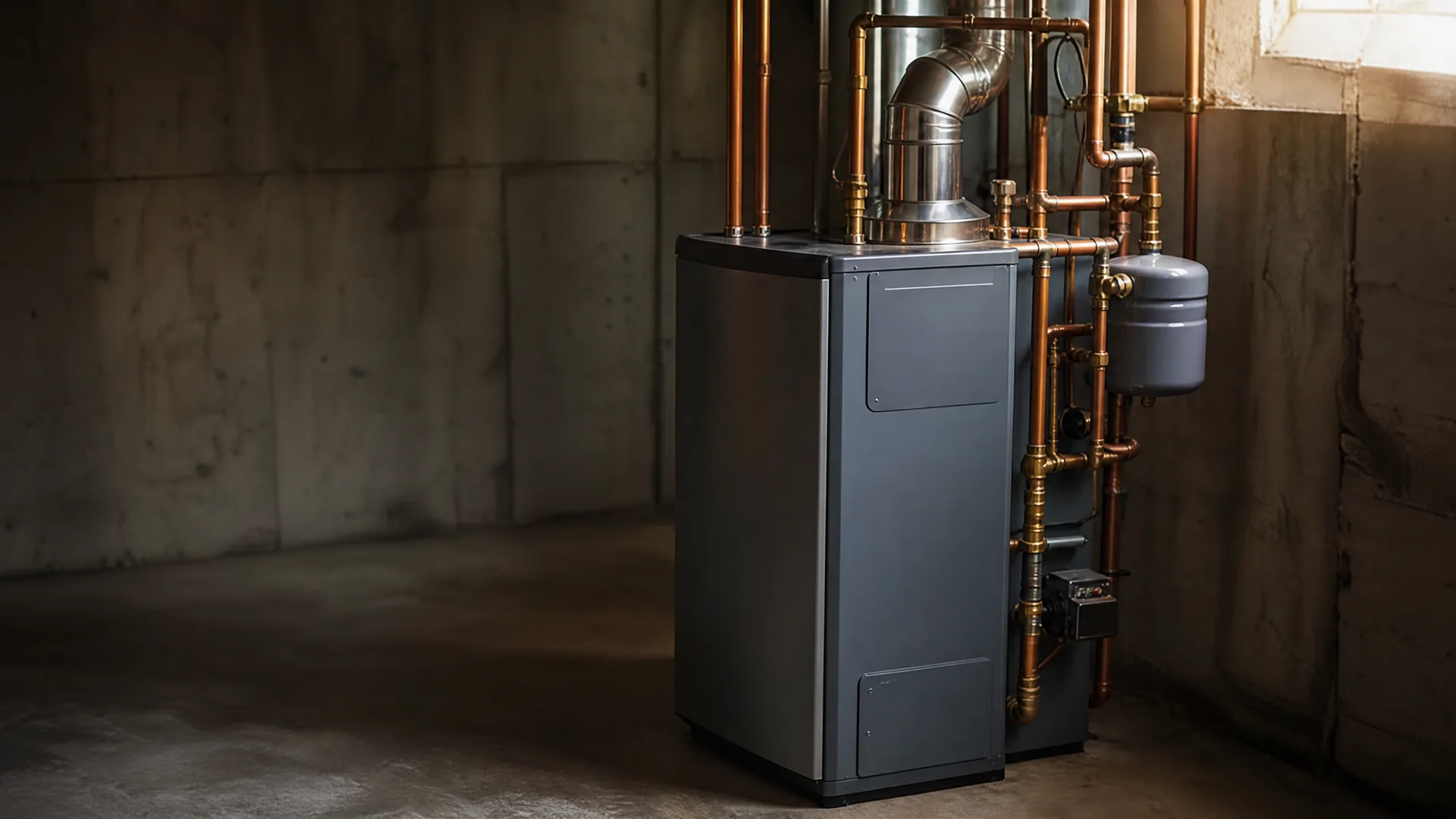
This setup has copper pipes running clean to the circulator pump and expansion tank, with the flue running straight up through the top of the unit. A connection like that gives combustion gas a clear path out. Insulation on the wall means the room stays stable, which helps the boiler burn the way it was built to.
A setup that needs a look
Raising the boiler on concrete blocks and running the flue through a stone wall is common in older basements, but every joint in that galvanized pipe is a place exhaust can escape instead of venting out. If you haven't had this connection checked recently, it's worth having someone confirm it's still sealed.
What the signs are telling you
Soot by the draft hood, a yellow flame, rust around the flue, a headache that fades when you leave the house. Any one of those means your boiler isn't venting carbon monoxide the way it should. That's the answer. The fix is a repair to the flue, the burner, or whatever's starving the flame of air, done by someone licensed to work on gas appliances in Kansas.
You don't have to figure out which part is failing before you call someone, and you don't have to find that someone either. Once you send the form, you're done with the part that eats an evening: searching contractor listings, calling two or three and getting voicemail, explaining the soot and the yellow flame over again to each one, then sitting with quotes trying to guess who's honest. That search stops being yours to run. You'll know where things stand without doing the legwork yourself.