
What Kansas homes are up against.
NOAA National Centers for Environmental Information, Storm Events Database, bulk CSV export, events 2015-01-01 through 2024-12-31. · U.S. Census Bureau, 2020-2024 American Community Survey 5-Year Estimates

A boiler here does not get much of a rest. Homes in Kansas run heat about seven months a year, from October through April. That stretch asks the burner and heat exchanger to keep cycling through cold month after cold month, and a unit that was undersized at installation or fitted with an oversized burner will start showing stress before winter is out. The fault that might go unnoticed in a shorter season gets pressed hard here, repeatedly, until it surfaces. A contractor quoting a replacement or a new install has to get the sizing right, because the load this state sets does not allow much margin for error to hide in.
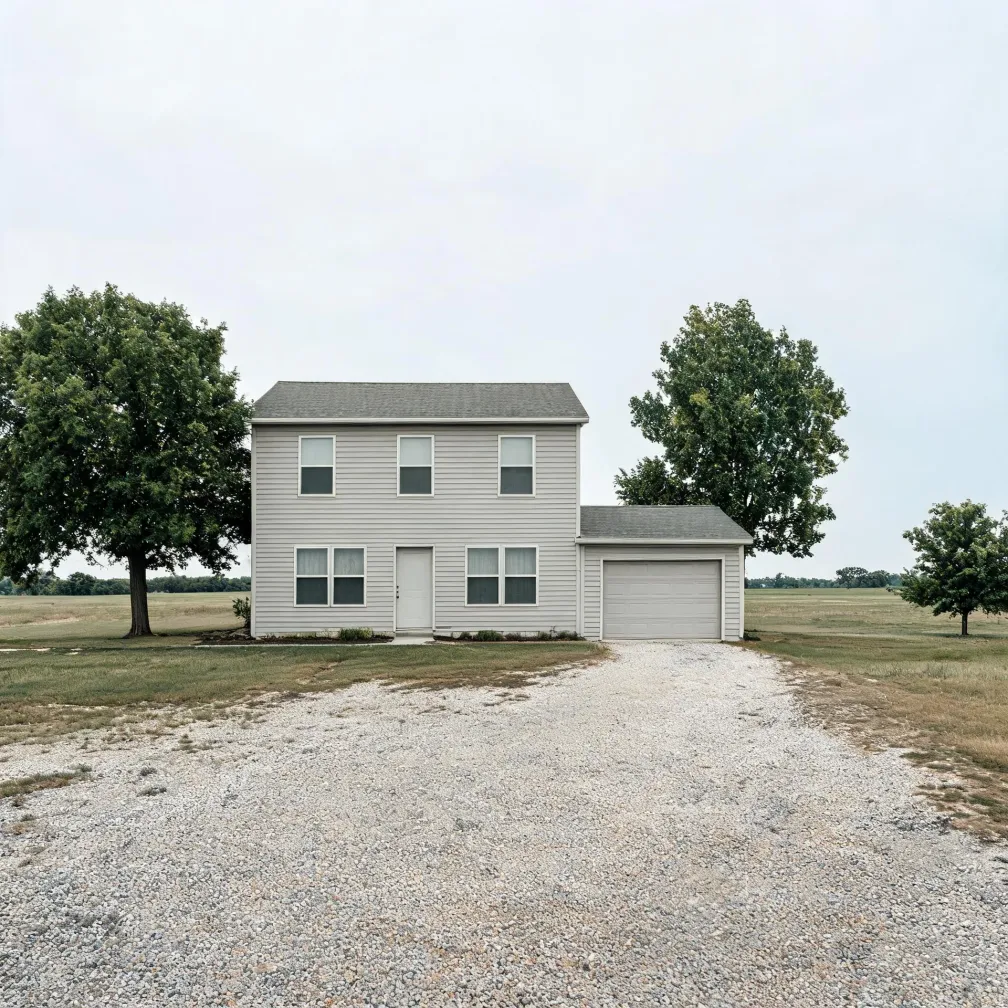
A quote for a new boiler starts with what is already in the house, and in Kansas that means a contractor works through existing distribution before settling on a specification. Piping condition, expansion tank sizing, and whether the current heat emitters can handle a condensing unit's lower water temperatures all have to be verified on-site. Half the homes in Kansas were built in 1976 or earlier (2020-2024 ACS 5-year). A house with original distribution could require zone rebalancing or emitter changes that a contractor would not know about from the address alone, and those findings shape both the equipment choice and the scope of work.
How hard does Kansas weather work your HVAC equipment?
2015–2024 · Source: NOAA National Centers for Environmental Information, Storm Events Database.
A county that ranks high in severe weather events is one where outdoor equipment faces real punishment. Condensers sit through hail, temperature swings that can run from triple-digit heat to hard freezes, and wind that accelerates wear on refrigerant lines and cabinet seals. Sizing, placement, and spec choices that would be adequate in a milder climate fall short here. The licensed contractor you are matched with knows what the local exposure asks of equipment and uses that knowledge before the first part is ordered.
Kansas HVAC Installation and Repair License Requirements
Kansas has no statewide HVAC license. Cities and counties license contractors.
Kansas defines the HVAC credentials its counties and cities license from: a master mechanic plans, lays out and supervises the installation and repair of the system, and a journeyman mechanic installs and repairs it.
Every contractor we send a request to holds the license your city or county requires.
See the source provisions4 provisions
Kansas defines the HVAC credentials its counties and cities license from: a master mechanic plans, lays out and supervises the installation and repair of the system, and a journeyman mechanic installs and repairs it.
A Kansas certificate of competency travels: once a mechanic has passed the state-designated examination, that certificate is valid proof of competency for licensure without a further examination in any Kansas county or city that licenses HVAC mechanics.
Kansas leaves HVAC licensing to the county or city: the state designates the examination, but the licence itself is issued by any county or city that requires one — so who licenses a contractor depends on where the work is.
Kansas sets the floor every county and city licence has to meet: a passing score of 75% on the examination, a uniform fee charged to every applicant alike, and at least six hours of continuing education a year.