Tell us about the job
Takes about a minute. No obligation.
A repair call on a boiler here almost always leads a contractor to the burner assembly and ignition system first, because those are the parts that bear every firing cycle the heating season demands. Homes in Chase County, KS run heat about seven months a year, from October through April. That load falls hardest on the ignition components, the heat exchanger seams, and the circulator pump, all of which wear in proportion to how often the boiler fires. A system that has been short-cycling, or that was undersized at install, shows that wear earlier and in more places.
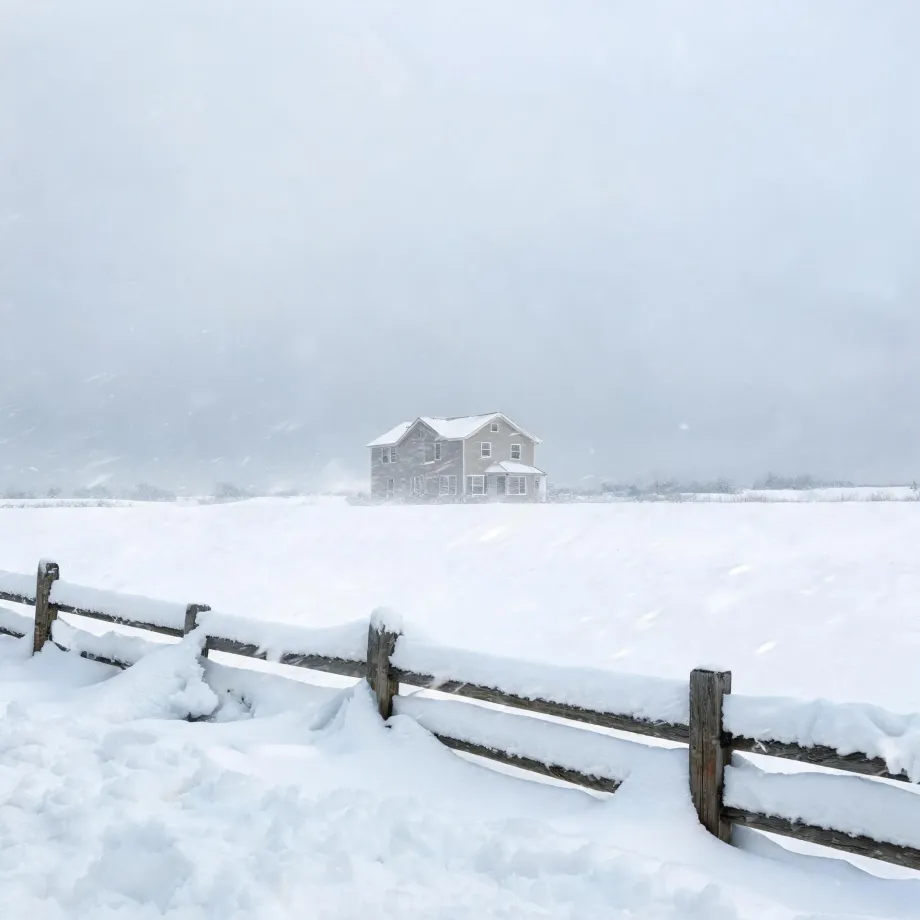
Boilers in stock this old carry components that may have gone through several owners and more than one service history. Half the homes in Chase County, Kansas were built in 1958 or earlier (2020-2024 ACS 5-year). A contractor who opens a unit here is checking whether the heat exchanger, seals, and controls it actually contains match anything still in the supply chain. When they do not, the repair scope shifts from a part swap to sourcing a substitute or rebuilding around what exists. That question gets answered at the unit, not before it is opened.
The Parts of a Boiler a Contractor Checks First
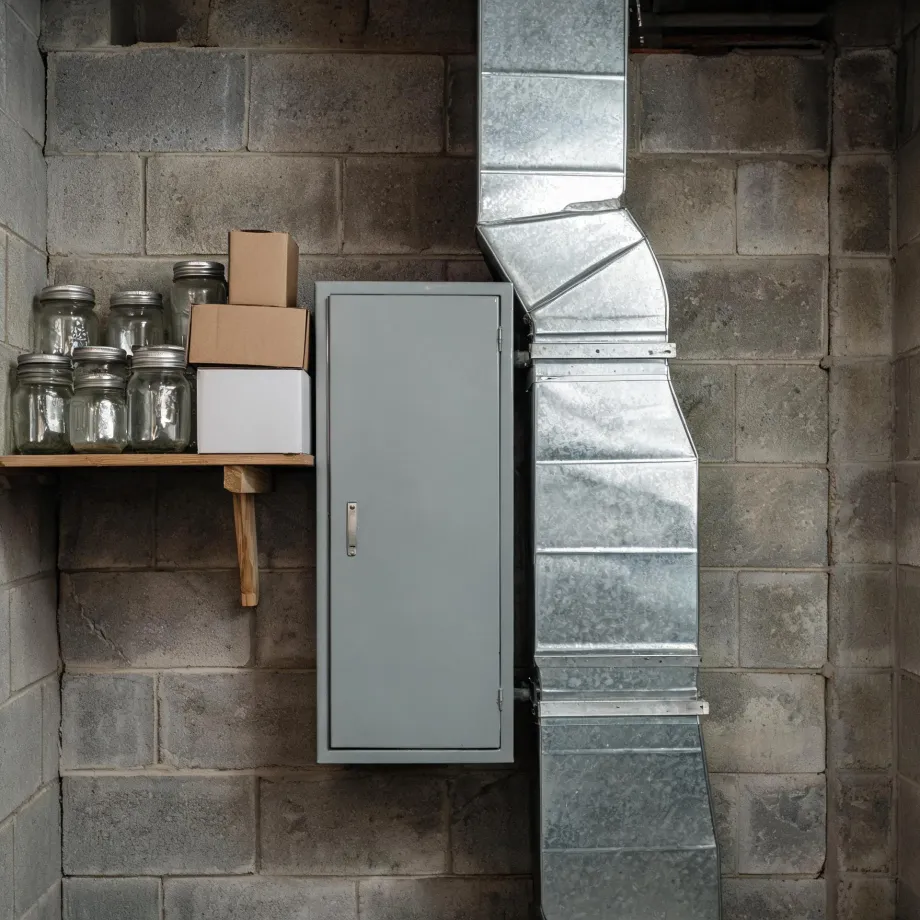
The boiler itself sits in the basement or a utility room and is the heart of the system. It heats water and pushes it through the house. When the boiler fails, symptoms range from no heat at all to strange noises to water pooling on the floor nearby, so a contractor starts here.
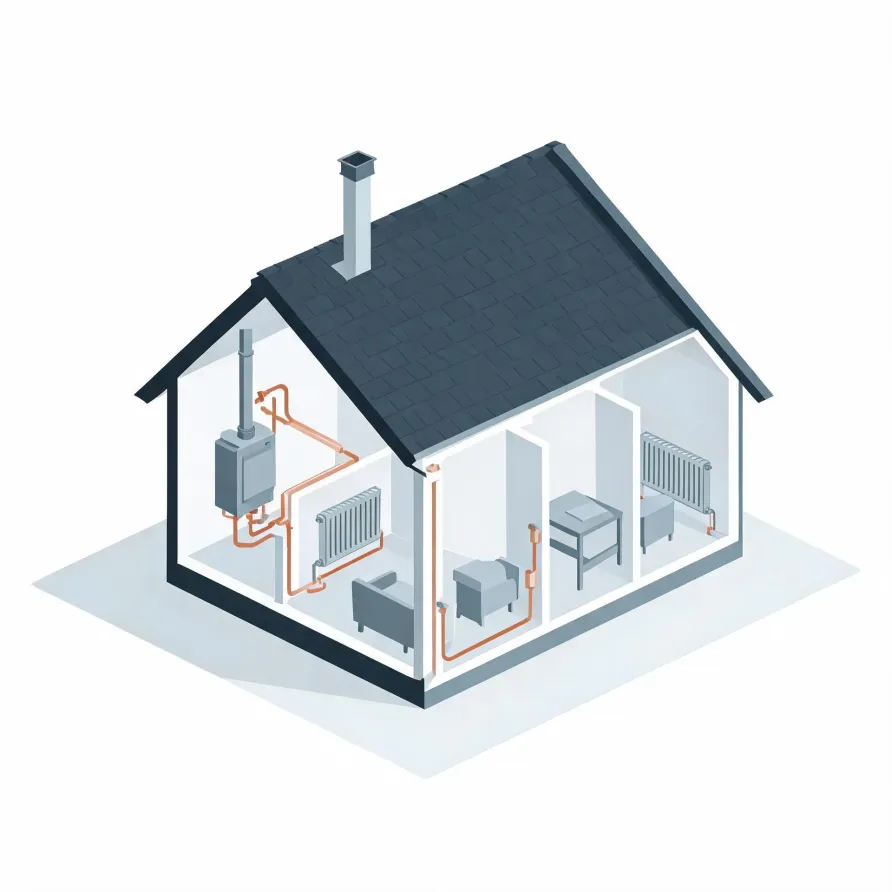
The circulator pump moves heated water through the pipes to radiators or baseboard units in each room. The expansion tank, usually mounted close to the boiler, absorbs pressure changes as water heats and cools. The thermostat, wherever it sits on a wall in the living space, tells the whole system when to run, and a faulty one can make a healthy boiler look broken.
The drawing shows a typical boiler system layout, and a licensed contractor will assess which components apply to your specific setup.
Find a contractor in Chase CountyChase County, Kansas, by the numbers
91 severe weather events were recorded in Chase County, Kansas between 2015 and 2024.
NOAA National Centers for Environmental Information, Storm Events Database, bulk CSV export, events 2015-01-01 through 2024-12-31.Half the homes in Chase County, Kansas were built in 1958 or earlier (2020-2024 ACS 5-year).
U.S. Census Bureau, 2020-2024 American Community Survey 5-Year EstimatesChase County, Kansas holds 1,388 housing units (2020-2024 ACS 5-year).
U.S. Census Bureau, 2020-2024 American Community Survey 5-Year EstimatesOwners occupy 73.3% of the occupied homes in Chase County, Kansas (2020-2024 ACS 5-year).
U.S. Census Bureau, 2020-2024 American Community Survey 5-Year EstimatesSevere Weather Events in Chase County
Kansas weather puts real stress on heating equipment, and Chase County gets its share of what the plains can deliver. Boilers that run through hard conditions wear differently than ones that do not, which is why local repair work is a different job than a generic service call.
91 severe weather events, 2015–2024. Source: NOAA National Centers for Environmental Information, Storm Events Database.