Tell us about the job
Takes about a minute. No obligation.
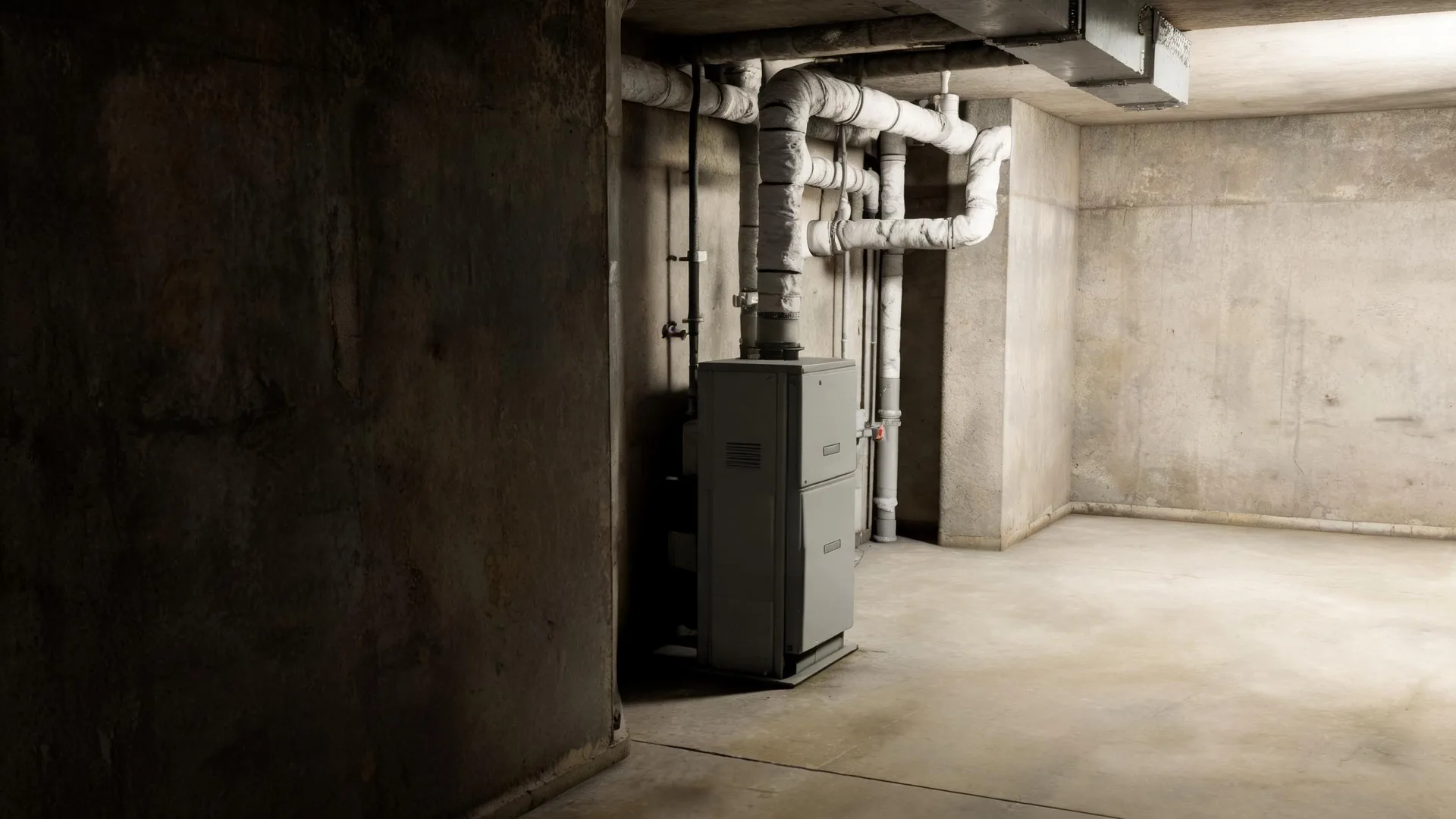
A boiler repair quote in Barton County starts with the burner and the ignition system, because those are the parts that cycle every time the equipment fires. Homes in Barton County, KS run heat about seven months a year, from October through April. That kind of accumulated firing wears the igniter, the flame sensor, and the heat exchanger in a pattern a contractor can read once the unit is open. A pilot or igniter that is marginal in October will not survive to April.
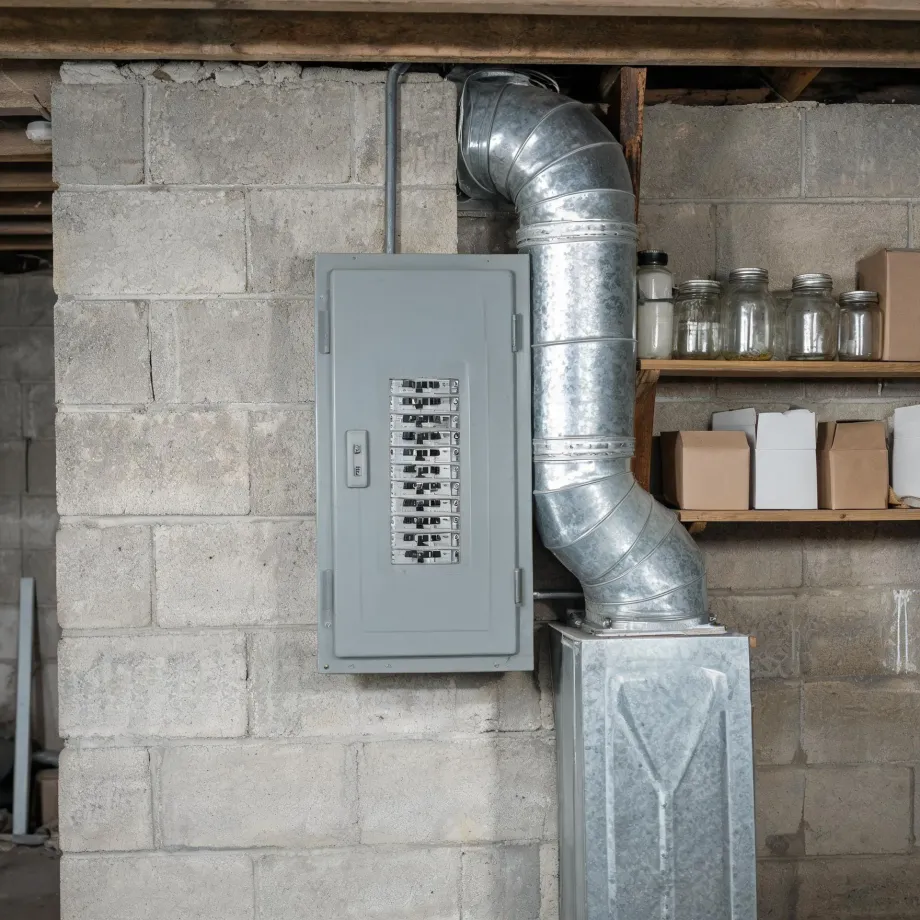
Half the homes in Barton County, Kansas were built in 1959 or earlier (2020-2024 ACS 5-year). A boiler running in stock this old has likely been serviced, patched, and kept alive through several equipment cycles, and the question a contractor has to answer once the unit is open is whether the components it needs still exist in a supply chain. Cast iron sections, older burner assemblies, and proprietary controls from that era are not always findable, and when they are, lead times affect the scope of every repair. That gap between what the system requires and what is currently made is where the job either resolves quickly or does not.
The Parts of a Boiler a Contractor Checks During Repair
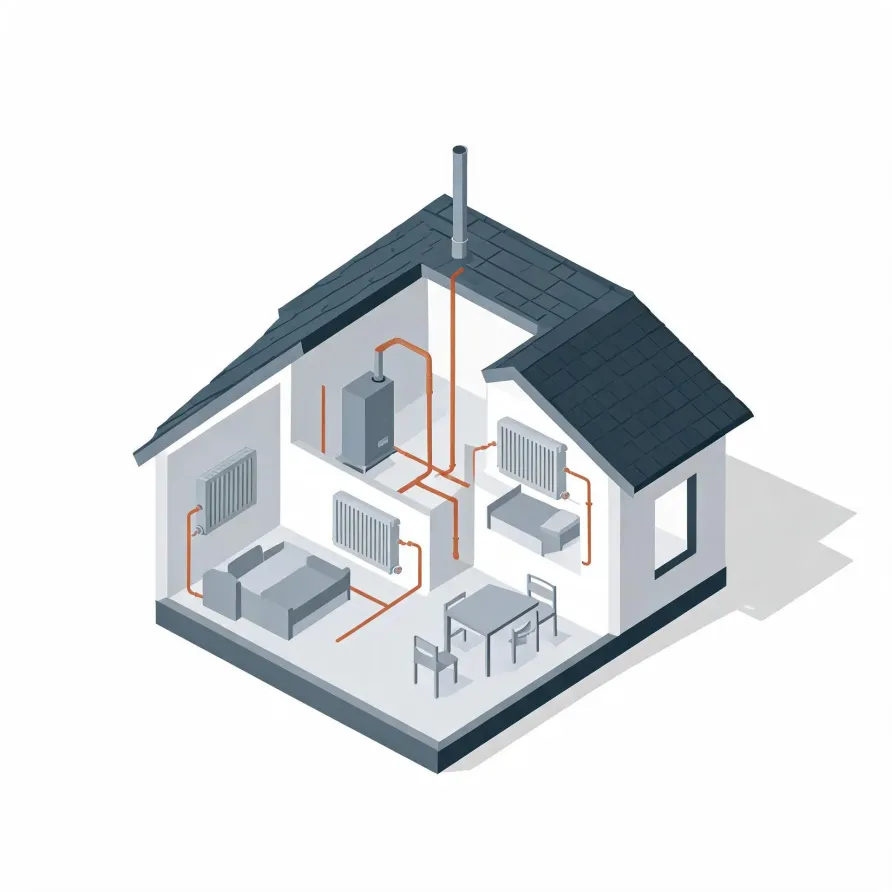
The boiler itself sits in the basement or a utility room and is the piece a contractor goes to first. Inside it, the heat exchanger, burner, and ignition components are the most common sources of failure. A cracked heat exchanger, a fouled burner, or an ignition that no longer fires reliably will each stop the system in its own way.
From the boiler, pipes carry hot water to radiators or baseboard units throughout the house, and a circulator pump keeps that water moving. The expansion tank, pressure relief valve, and thermostat round out the system. Any one of these can be the reason heat stops reaching the rooms it should.
The drawing shows a typical boiler layout, and a licensed contractor will determine which components apply to your specific system.
Find a contractor in Barton CountyBarton County, by the numbers
295 severe weather events were recorded in Barton County, Kansas between 2015 and 2024.
NOAA National Centers for Environmental Information, Storm Events Database, bulk CSV export, events 2015-01-01 through 2024-12-31.Half the homes in Barton County, Kansas were built in 1959 or earlier (2020-2024 ACS 5-year).
U.S. Census Bureau, 2020-2024 American Community Survey 5-Year EstimatesBarton County, Kansas holds 12,383 housing units (2020-2024 ACS 5-year).
U.S. Census Bureau, 2020-2024 American Community Survey 5-Year EstimatesOwners occupy 65.2% of the occupied homes in Barton County, Kansas (2020-2024 ACS 5-year).
U.S. Census Bureau, 2020-2024 American Community Survey 5-Year EstimatesSevere Weather Events in Barton County
Boilers in Barton County work against whatever the climate puts on them, and that workload shapes how often equipment is pushed hard and how quickly problems develop. Knowing the local weather record gives homeowners and contractors the same starting point when making repair decisions.
295 severe weather events, 2015–2024. Source: NOAA National Centers for Environmental Information, Storm Events Database.