Tell us about the job
Takes about a minute. No obligation.
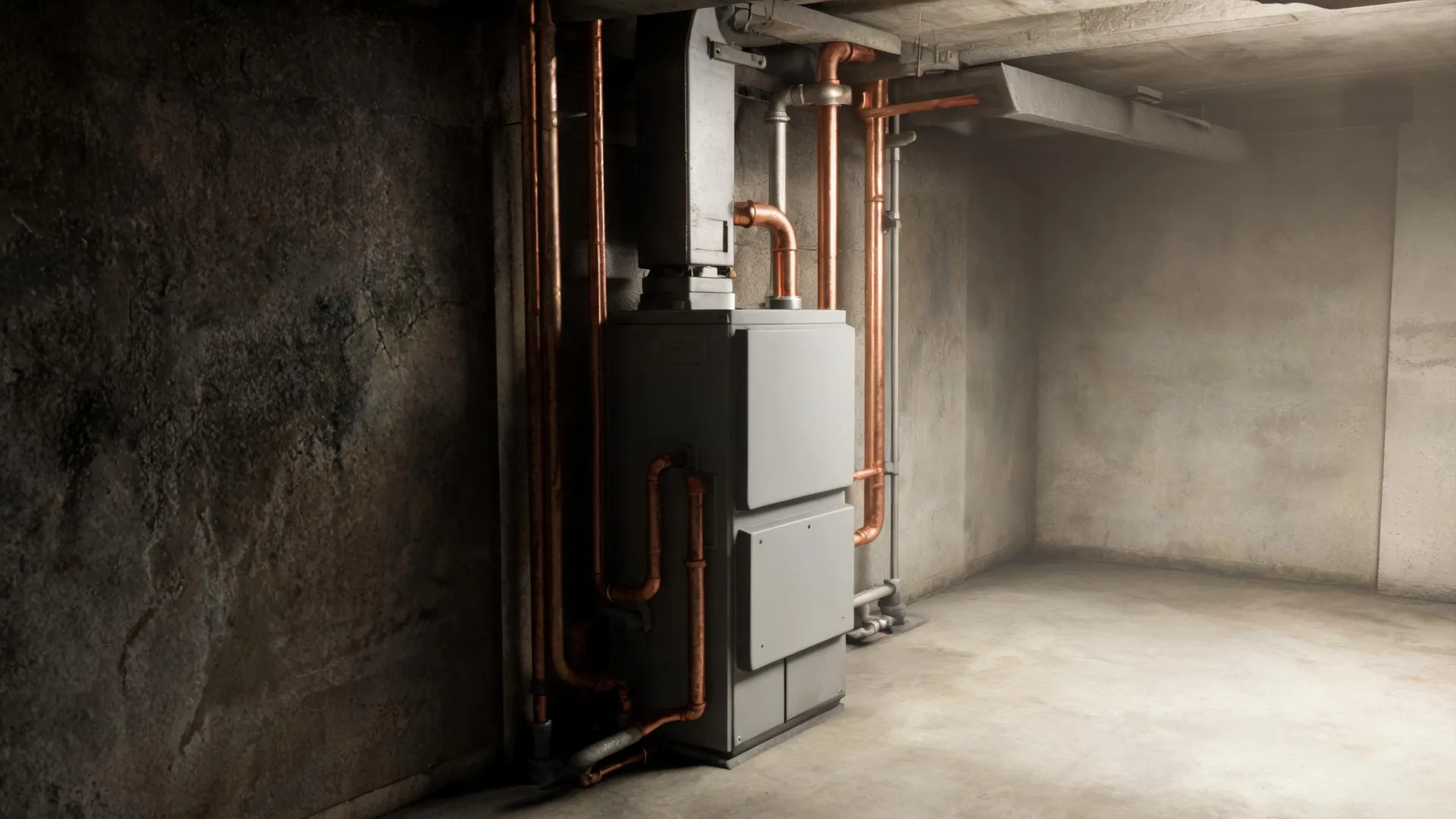
Homes in Leavenworth County, KS run heat about seven months a year, from October through April. A boiler working that calendar burns through its ignition system and burner components in a way that shows up clearly by the time a repair call comes in. The heat exchanger takes the same load. A contractor diagnosing a boiler here will open those components first, because wear on the parts that cycle with every firing is where the fault usually lives. Burner assemblies, igniter electrodes, and heat exchanger surfaces tell the story before the secondary systems do.
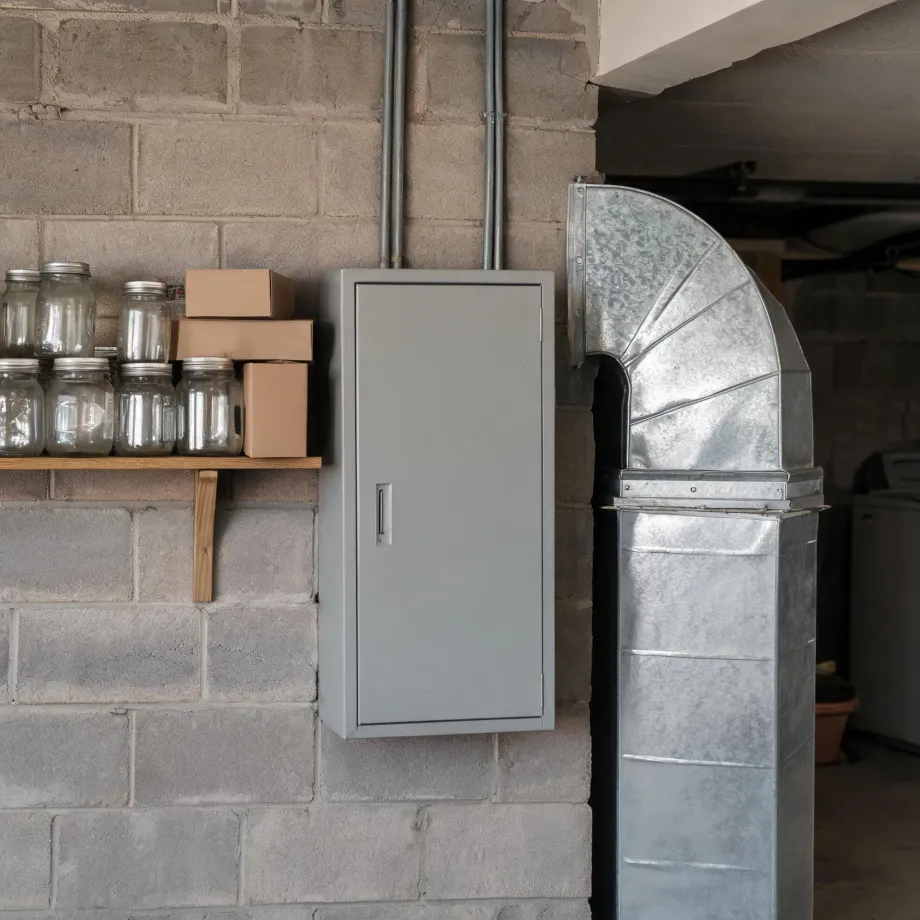
Boilers distribute heat through pipes, valves, and zone controls, and in older housing those components have been working as long as the boiler itself has. Half the homes in Leavenworth County, Kansas were built in 1982 or earlier (2020-2024 ACS 5-year). A contractor opening a system in stock this age finds sediment in the lines, zone valves that have cycled past their designed service life, and expansion tanks that have lost their charge. Those findings, not the boiler cabinet, are what decides the repair scope and the parts list.
The Parts of a Boiler a Contractor Checks First
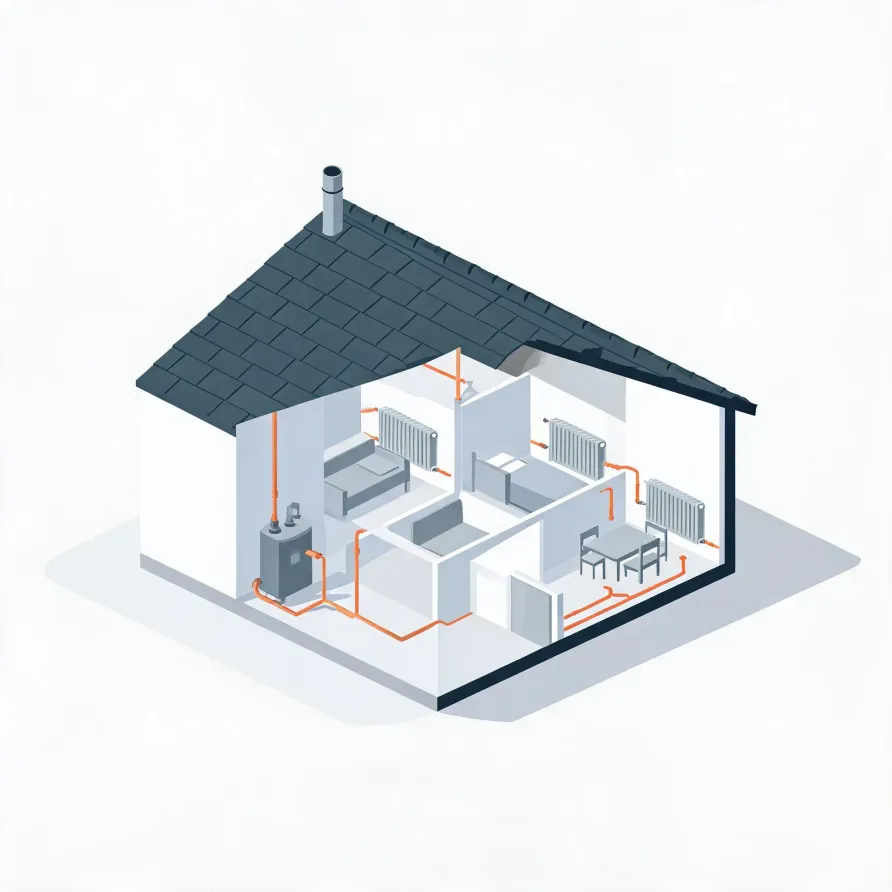
The boiler itself sits in a mechanical room, basement, or utility closet and is the unit that heats water for the system. When it fails, a contractor looks at the burner assembly, the heat exchanger, and the pressure relief valve first. Each of those can stop the boiler from firing or keeping pressure.
Circulator pumps move heated water out through the supply pipes and back through the return lines, and a faulty pump is a common reason rooms go cold even when the boiler runs. The expansion tank, usually mounted nearby, absorbs pressure swings in the system, and the thermostat or zone controls tell the whole system when to call for heat.
The drawing shows a typical boiler layout, and a licensed contractor determines which components apply to your specific setup.
Find a contractor in Leavenworth CountyLeavenworth County, by the record
137 severe weather events were recorded in Leavenworth County, Kansas between 2015 and 2024.
NOAA National Centers for Environmental Information, Storm Events Database, bulk CSV export, events 2015-01-01 through 2024-12-31.Half the homes in Leavenworth County, Kansas were built in 1982 or earlier (2020-2024 ACS 5-year).
U.S. Census Bureau, 2020-2024 American Community Survey 5-Year EstimatesLeavenworth County, Kansas holds 31,865 housing units (2020-2024 ACS 5-year).
U.S. Census Bureau, 2020-2024 American Community Survey 5-Year EstimatesOwners occupy 69.3% of the occupied homes in Leavenworth County, Kansas (2020-2024 ACS 5-year).
U.S. Census Bureau, 2020-2024 American Community Survey 5-Year EstimatesSevere Weather Events in Leavenworth County
Weather stress is one of the main reasons boilers work harder and fail sooner. Leavenworth County conditions shape how much that equipment takes on, which is why local repair demand follows local weather.
137 severe weather events, 2015–2024. Source: NOAA National Centers for Environmental Information, Storm Events Database.