Tell us about the job
Takes about a minute. No obligation.
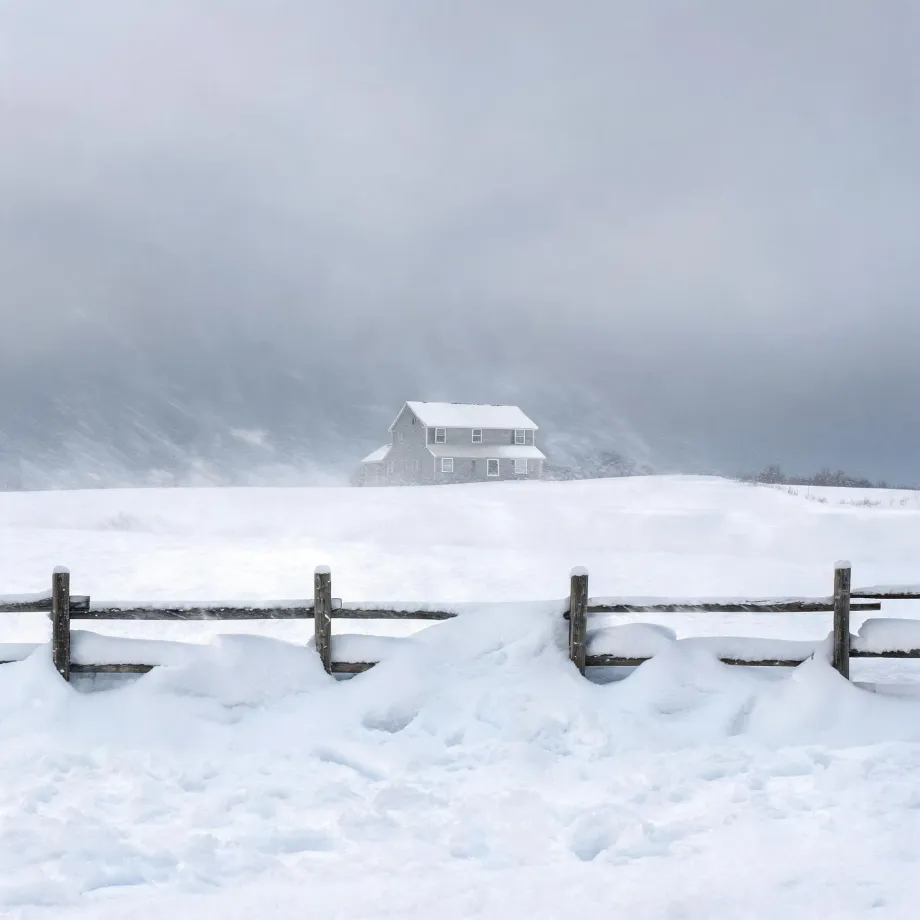
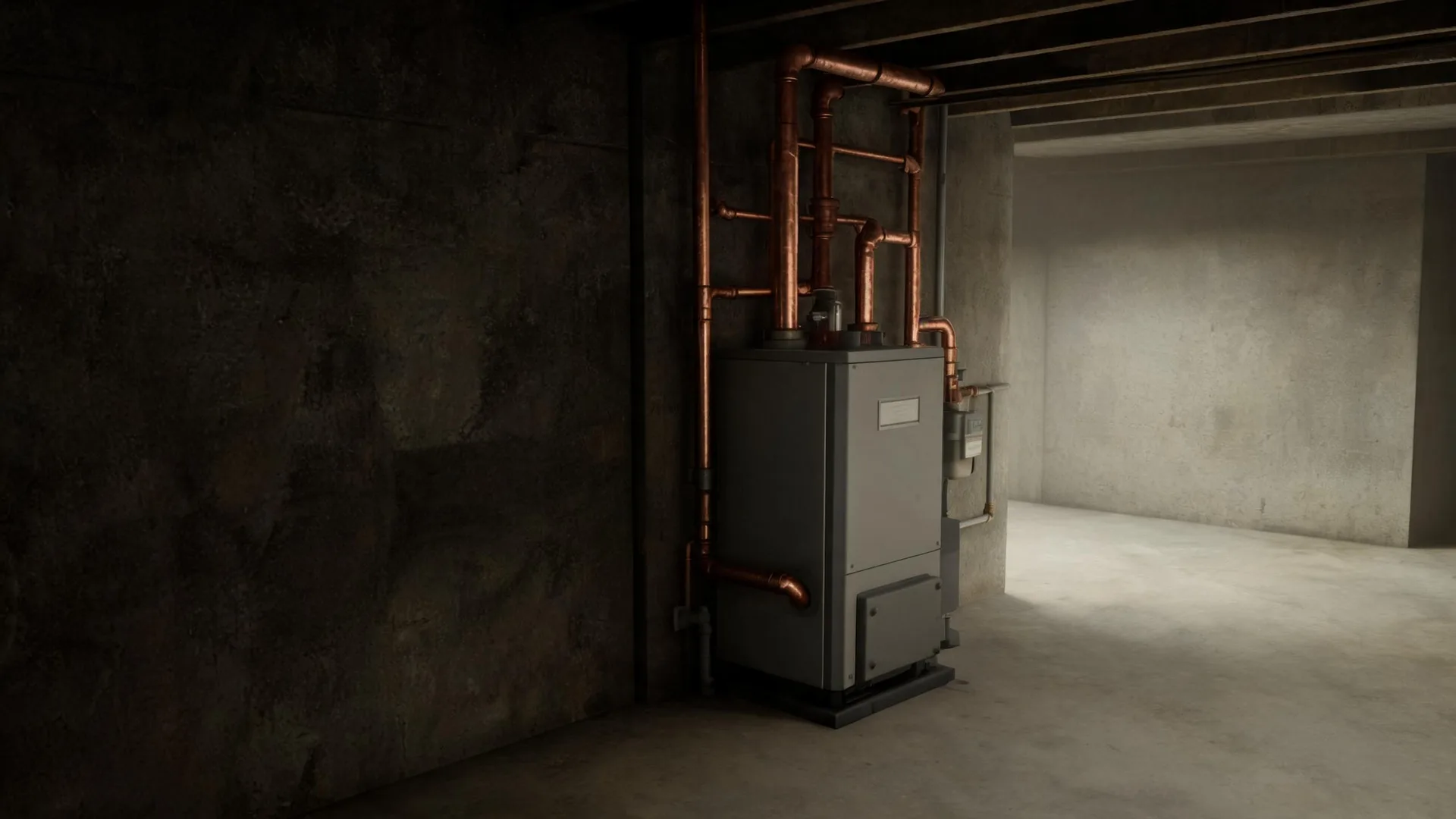
A boiler repair call in Cheyenne County starts with the burner and the ignition system, because those are the parts that have done the work. Homes in Cheyenne County, KS run heat about eight months a year, from October through May. That kind of extended cycling wears the igniter, stresses the heat exchanger, and pushes the gas valve through far more open-close sequences than a shorter season demands. A contractor diagnosing a no-heat complaint here checks those components before pricing anything else, because wear on them is the likeliest explanation for what failed.
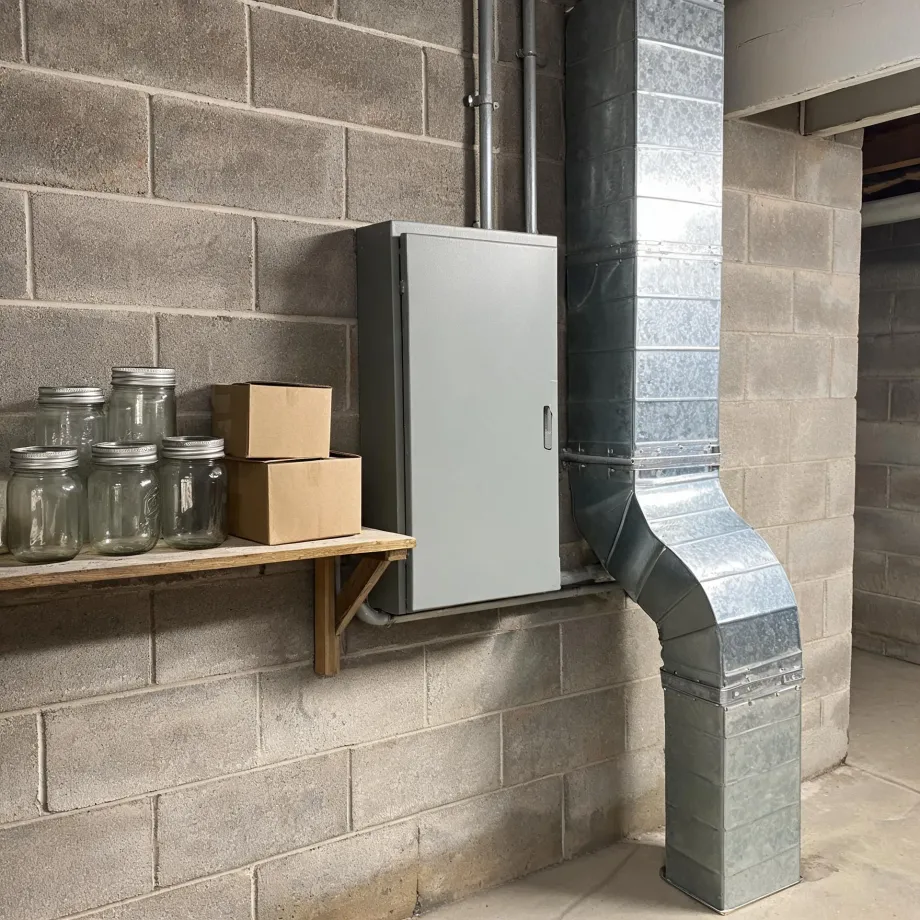
Piping that has been extended, refit, or partially replaced across successive heating systems is what a contractor opens a job to find in much of this county. Half the homes in Cheyenne County, Kansas were built in 1951 or earlier (2020-2024 ACS 5-year). That history means the boiler itself is often the straightforward part of a repair call: the distribution side, with its accumulated splices and mismatched sections, is where the diagnostic work actually lands. A part the boiler needs may still be available; what the rest of the system has become takes longer to read.
The Parts of a Boiler a Contractor Checks First
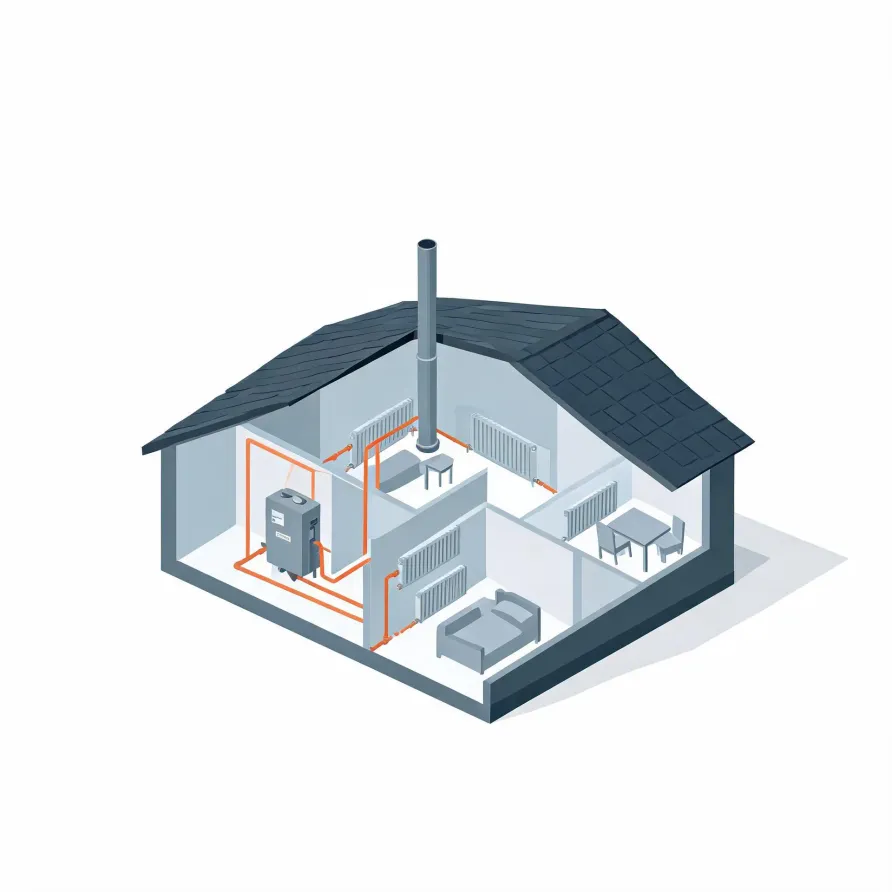
The boiler itself sits in the basement or a utility room and is the piece a contractor goes to first. It heats water and pushes it out through the system. When it fails, symptoms show up as no heat, uneven heat, or the unit cycling off before rooms reach temperature. The heat exchanger inside it and the burner assembly are common sources of both.
From the boiler, pipes carry hot water to radiators or baseboard units spread through the living spaces, and a circulator pump keeps that water moving. The expansion tank, usually mounted near the boiler, absorbs pressure swings in the system. The pressure relief valve sits on the boiler itself and is one of the first things a contractor checks when pressure readings are off.
The drawing shows a typical layout, and a licensed contractor determines which components apply to your specific system.
Find a contractor in Cheyenne CountyCheyenne County, Kansas, by the Numbers
306 severe weather events were recorded in Cheyenne County, Kansas between 2015 and 2024.
NOAA National Centers for Environmental Information, Storm Events Database, bulk CSV export, events 2015-01-01 through 2024-12-31.Half the homes in Cheyenne County, Kansas were built in 1951 or earlier (2020-2024 ACS 5-year).
U.S. Census Bureau, 2020-2024 American Community Survey 5-Year EstimatesCheyenne County, Kansas holds 1,455 housing units (2020-2024 ACS 5-year).
U.S. Census Bureau, 2020-2024 American Community Survey 5-Year EstimatesOwners occupy 77.9% of the occupied homes in Cheyenne County, Kansas (2020-2024 ACS 5-year).
U.S. Census Bureau, 2020-2024 American Community Survey 5-Year EstimatesSevere Weather Events in Cheyenne County
Extreme weather puts real strain on boiler systems, and that strain accumulates differently depending on where the equipment runs. What the climate does in Cheyenne County shapes how hard local boilers work and what kinds of repairs they need.
306 severe weather events, 2015–2024. Source: NOAA National Centers for Environmental Information, Storm Events Database.