15 to 20 years
That's the typical lifespan for a gas boiler in Kansas. Once yours is past that mark, failures tend to come more often, and each repair is a bet against a bigger one.

A boiler in Kansas typically lasts 15 to 20 years. Most homes here heat with gas, and gas boilers hold up well because the heat exchanger inside them deals with less stress than the back-and-forth cycling of a furnace. What wears a boiler down is age in the tank and corrosion in the pipes, not any one harsh winter. Kansas winters are cold enough that the boiler runs often from late fall into early spring, and that steady workload is normal and part of its expected life, not a sign of early trouble. Once a boiler passes the 15 year mark, parts get harder to find and repairs start costing more relative to the value left in the unit. If yours is in that range and you're seeing uneven heat, odd noises, or rising gas bills, it's worth finding out whether repair still makes sense or installation is the better move.




That's the typical lifespan for a gas boiler in Kansas. Once yours is past that mark, failures tend to come more often, and each repair is a bet against a bigger one.
Cast iron heat exchangers generally outlast steel ones. If you know which your boiler has, that tells you something about where it sits on that 15 to 20 year range.

A boiler past 15 or 20 years doesn't quit on command. It gets slower to bring rooms up to temperature, it makes more noise through the pipes and radiators, and your gas bill climbs even though you haven't changed the thermostat. If yours is still running, that's worth paying attention to, because the parts that fail late in a boiler's life tend to be the expensive ones, like the heat exchanger itself.
Kansas summers are sticky, but winters are the test a boiler has to pass every single year, and an old one failing in January leaves a house cold while parts get tracked down. You don't have to wait for that morning to find out your options. Once you send in your information, the search for the right contractor is off your plate, and someone who installs boilers in your area will be in touch to look at what you have and what would replace it.

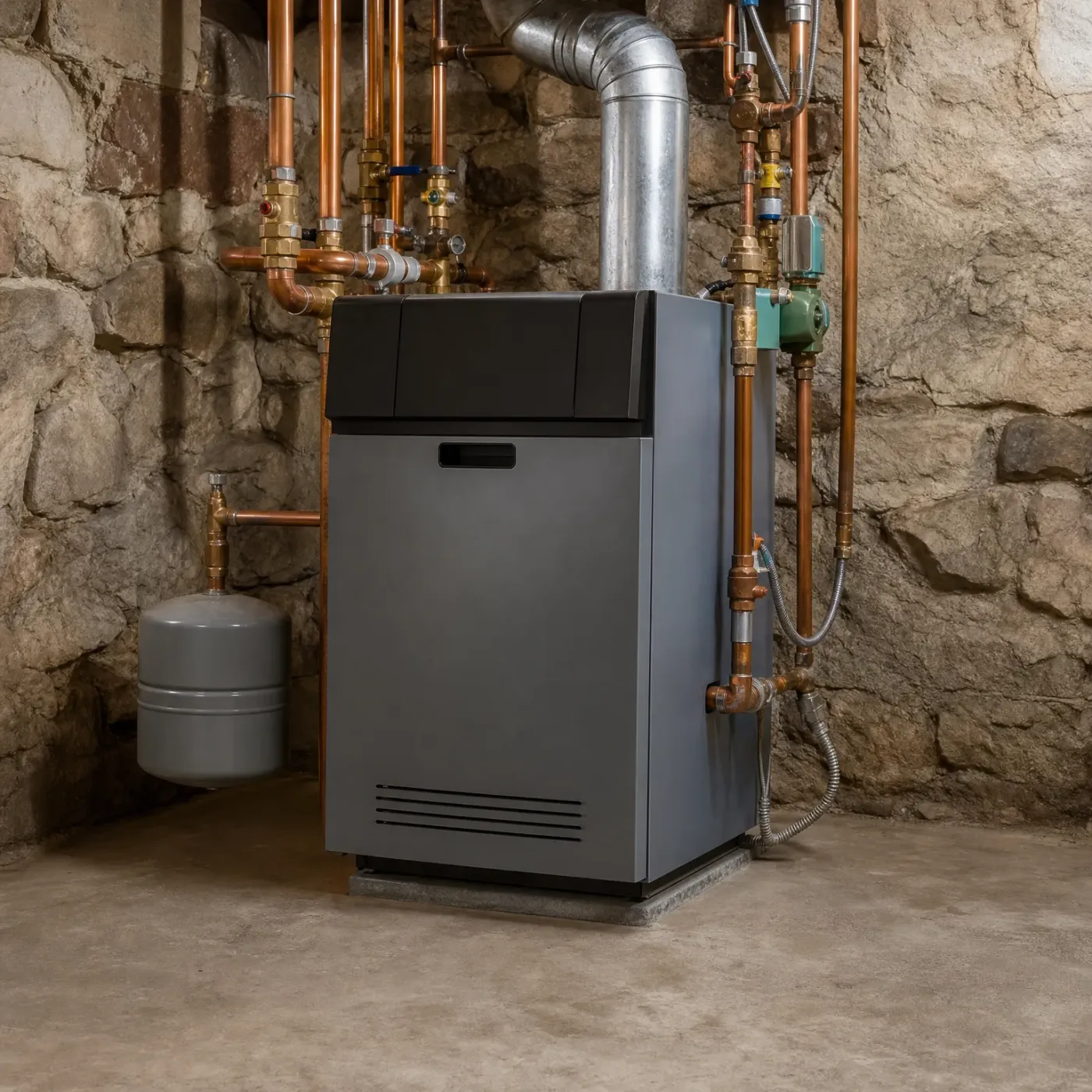
This one heats evenly and keeps its noise to a low hum. The pipes and valves are tight, the circulation pump moves water without strain, and the expansion tank holds steady pressure. A boiler like this just does its job.
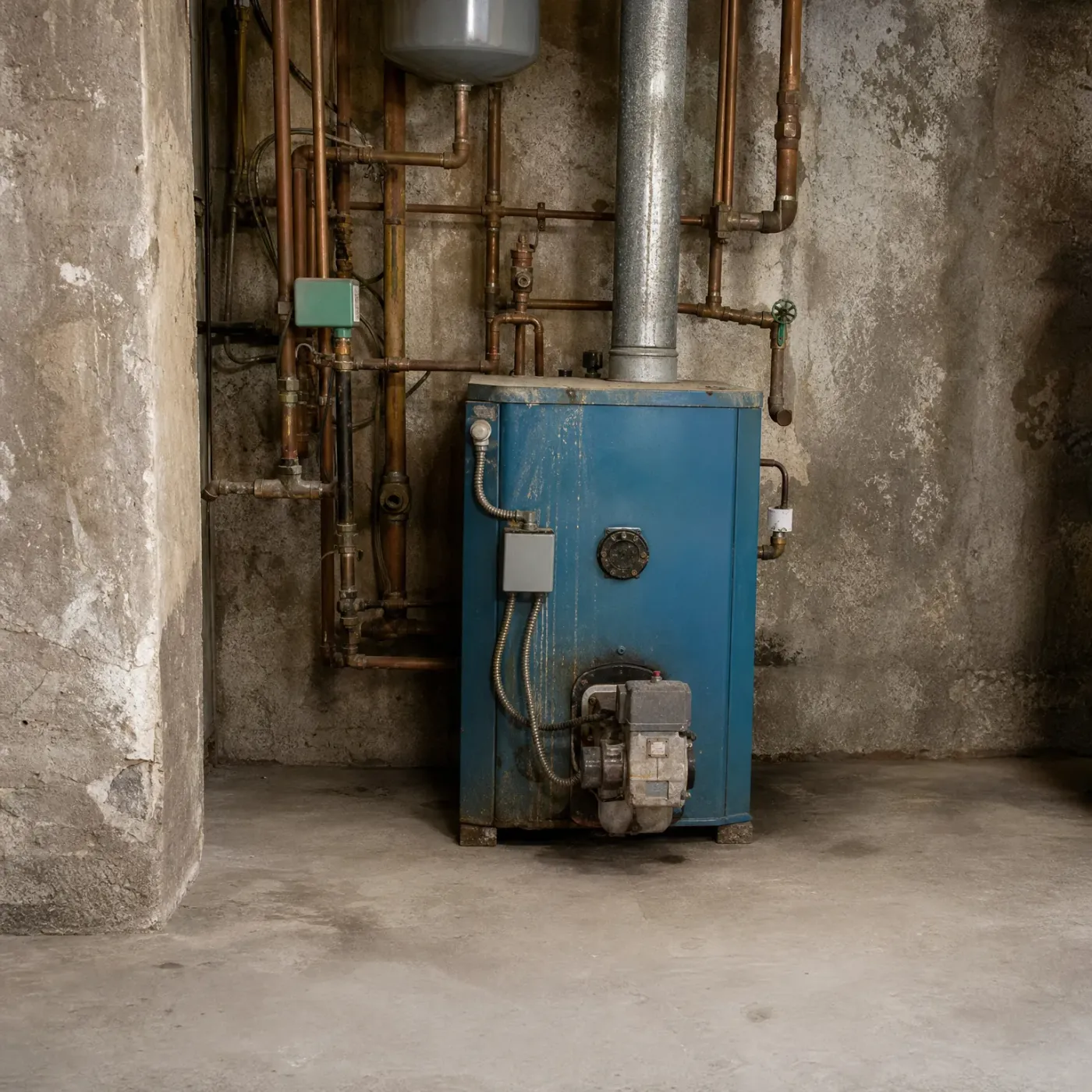
This one is older, and it shows. The flue pipe and burner assembly have years on them, and a unit like this is more likely to short cycle, leak at the fittings, or stop firing when you need it most. That's when replacement is worth weighing over another repair.
You'll notice it in small ways first. A room that used to warm up fast now takes a while. The radiators clank or gurgle more than they used to. You hear the burner kick on more often, running longer each time to hold the same temperature. Your gas bill creeps up some months for no reason you can point to. You might see a faint rust color in the water if you bleed a radiator, or notice the area around the boiler feels damp. None of these mean it's done, but each one means it's working harder for less. Left alone, a boiler in this shape is more likely to fail on the coldest night of the year, not a mild one.
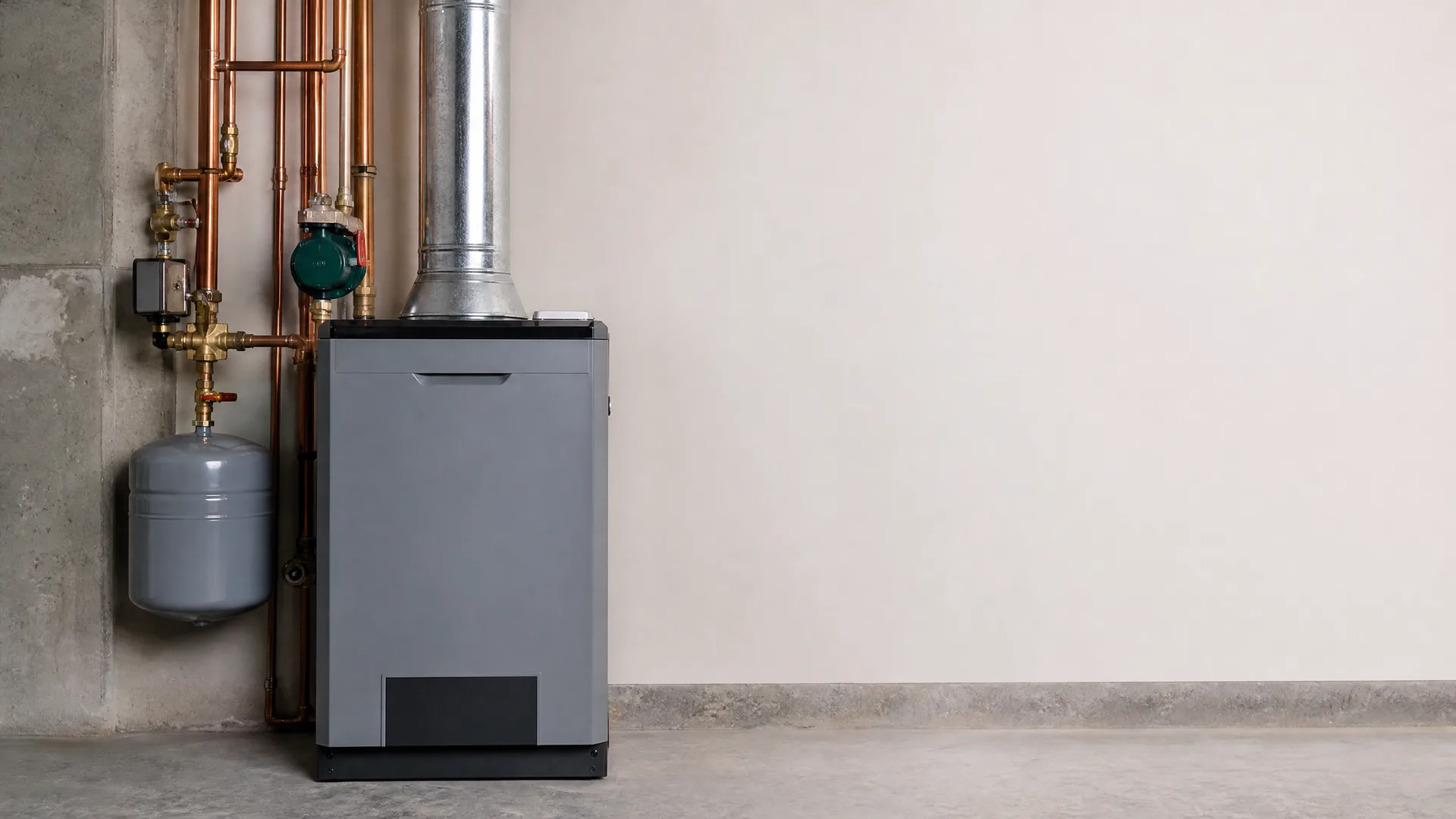
A boiler near the end of its life can be nursed along for a while. A new circulation pump, a new igniter, a pressure release valve replaced when it starts weeping. Each repair buys some months. The cost is that you're paying for parts on a machine that's already given you 15 or 20 years, and the next failure might land on the coldest week of winter instead of on your schedule.
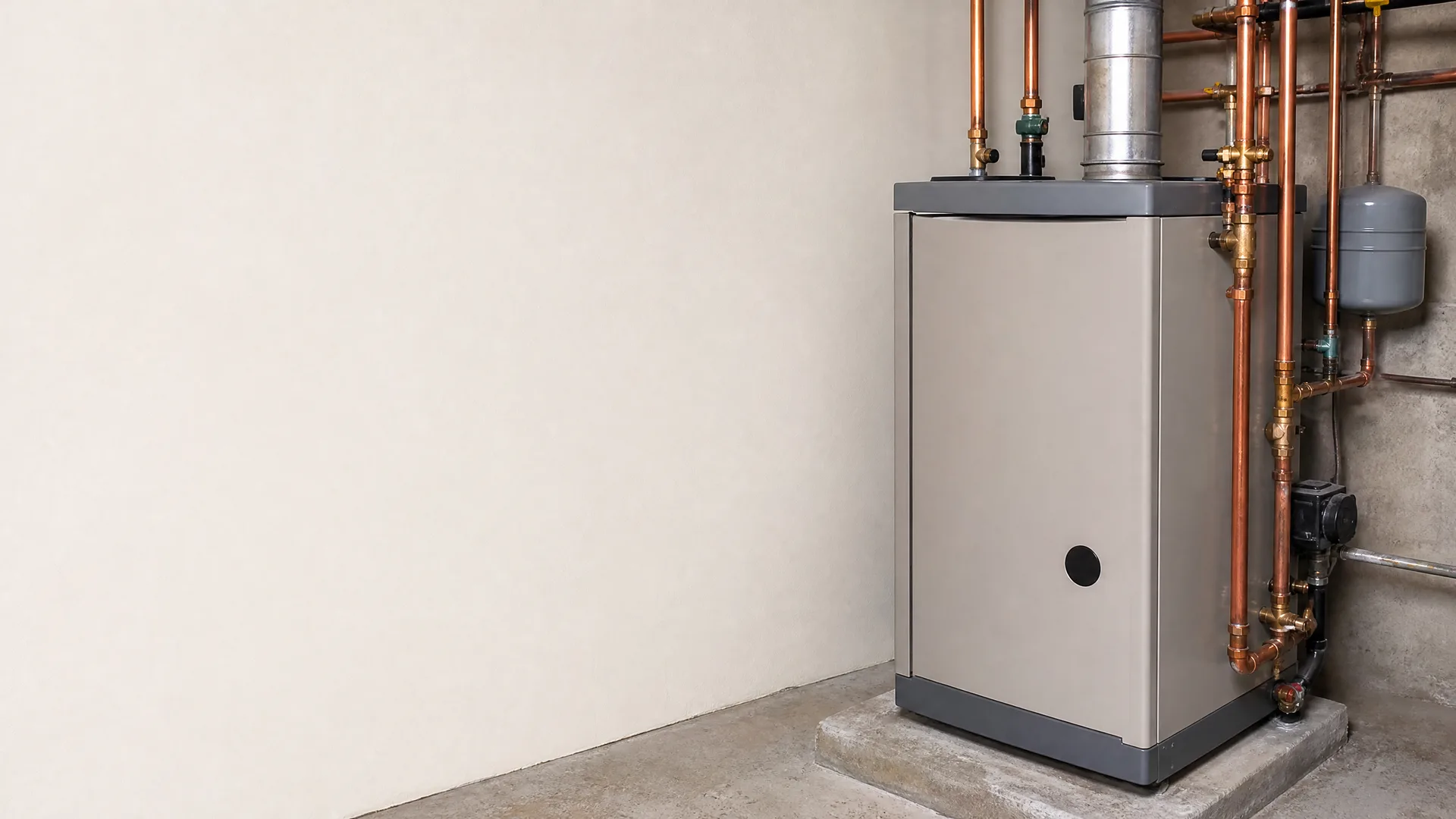
Installing a new boiler before the old one fails means you pick the week it happens, not a January cold snap. A new unit heats the house evenly again, the gas bill stops climbing for no reason, and you're not guessing which part will go next. Once you decide to replace it, being matched with a contractor who installs boilers in Kansas is the next step, and finding one stops being something you have to sort out alone.


If your boiler is past 15 years and you're weighing another repair against replacing it, that decision doesn't have to sit on your shoulders alone. A boiler installation is planned on your schedule, not forced by a breakdown in January, and once you send the request the work of finding someone who installs boilers in Kansas is off your plate. You get matched with a contractor who takes on the job from there, including the gas line and venting questions that come with putting in a new unit. Winters here are hard enough without wondering if tonight's the night the old one finally quits. Sending this takes a few minutes. What it buys you is not having to think about it anymore while someone who does this for a living looks at your specific setup and tells you what it actually needs.
A new boiler comes with a warranty that covers the parts most likely to fail, so you aren't paying out of pocket again a year later. It's sized and installed to match your house, not patched to keep an old layout working. The jacket and burner are new, so the efficiency on the rating label is the efficiency you actually get, instead of whatever an old unit has fallen to after years of wear. You stop guessing which part is about to go next. The trade-off is a bigger job up front, with gas lines and venting checked or adjusted to match the new unit rather than left as they are.
If your boiler is under 15 years and the repair is minor, fixing it is the clear call. Past that mark, weigh what you've already spent on it against what another winter of repairs is likely to cost. A cast iron boiler that's been maintained might still be worth one more repair. A steel one already past 20 years, or one where the heat exchanger itself is the problem, usually isn't. Kansas winters put real hours on a boiler every year, and a unit running on borrowed time tends to fail on the coldest night, not a convenient one.


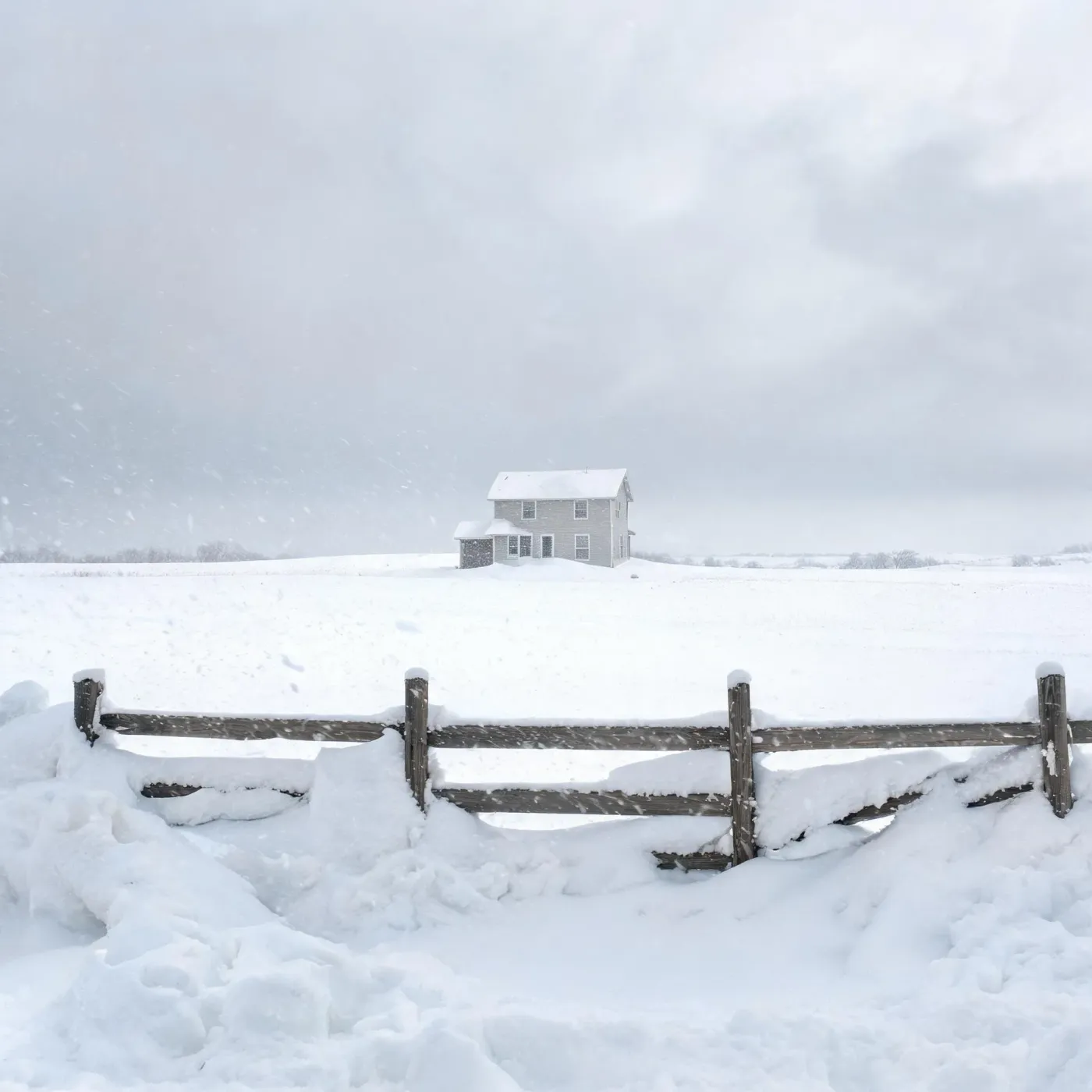
Winter nights average 23°F statewide, according to NOAA climate data. That kind of cold keeps a boiler's burner cycling on through most of the night to hold a room at temperature, and a unit already past 15 or 20 years feels that load more than a newer one does. You'd notice it as radiators that take longer to warm up, or a burner that seems to run in longer stretches before it shuts off. The heat exchanger and circulation pump are doing more work per degree on nights like these, and that's where age shows up first.
NOAA nClimDiv 1991-2020 county normals weighted by homes


At 23°F, your boiler's burner is firing most of the night just to hold the house steady, not only to warm it up once. An old heat exchanger carries that load all winter, and the strain shows up as a higher gas bill before it shows up as a breakdown.
NOAA nClimDiv 1991-2020 county normals weighted by homes
A gas boiler in Kansas is built for the long haul, 15 to 20 years of steady heat before age starts catching up with it. Whether yours has a cast iron or steel heat exchanger has a lot to do with where it lands in that range, and either way, the wear shows up gradually. A room that warms slower than it used to, pipes that clank more than they used to, a gas bill that climbs without any real change at home. None of that means the boiler quits that day. It means the heat exchanger is working harder for the same result. Kansas winters don't make that easier. Nights averaging 23°F keep the burner cycling for hours at a stretch, not just at bedtime, and a unit already past 15 or 20 years feels that load in a way a newer one doesn't. At some point a repair stops being a fix and starts being a bet against the next one. A new circulation pump or igniter can buy a season, maybe two, but it doesn't change the age of the heat exchanger underneath. A boiler installed now is sized for your house and backed by a warranty, so you aren't back in this spot next winter. If you decide that's where you are, sending the form is the last thing you have to do yourself. Getting matched with a contractor who can take it from there happens next, and the rest of the search is no longer on you.





One request and the search for a pro is handled.
Asking costs nothing, and the choice to hire stays yours.