Pressure holding steady
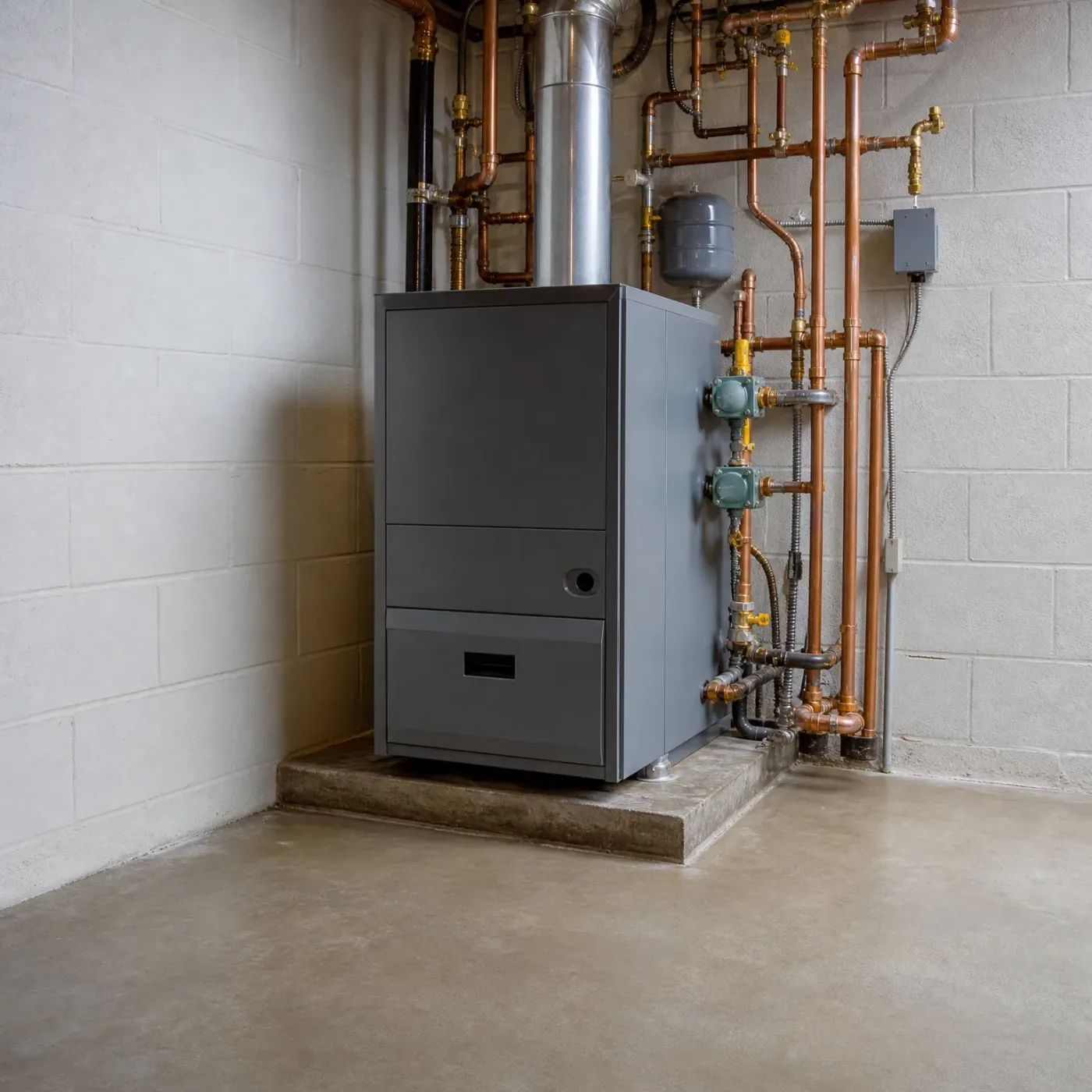
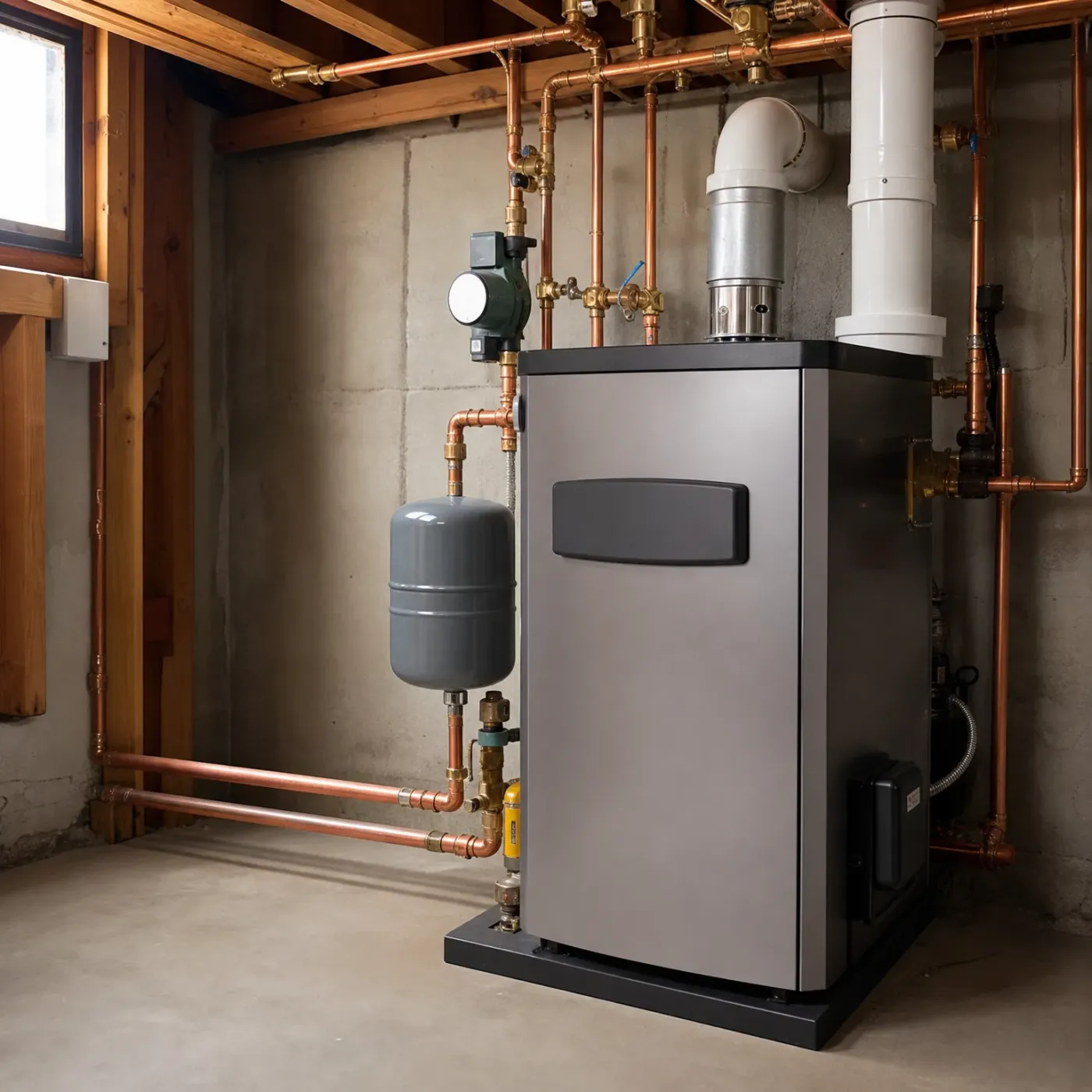
This is what a boiler looks like when pressure stays where it should. The gauge sits in its marked zone, the pipes and fittings stay dry, and the expansion tank is doing its job. Nothing to top off, nothing to watch.

You check your boiler and see the pressure gauge sitting somewhere you're not sure is right. Too low and the system won't heat properly. Too high and you're worried about a leak or a valve about to let go. You just want to know what number you should be looking at before you decide whether to touch anything or call someone.
Check the gauge when the boiler hasn't run in a few hours. Cold, it should sit between 12 and 15 psi. Once the system heats up, the needle climbs a bit, usually to somewhere around 20 psi, and that's normal. Pressure that drops below 12 psi cold means the system is losing water somewhere, or it needs more added. Pressure that climbs past 30 psi, especially with the relief valve dripping, means the expansion tank or the fill valve isn't doing its job. Kansas winters run the boiler hard from November through March, and that stop-and-start cycle is when a pressure problem usually shows up first, often as cold spots or no heat at all upstairs.
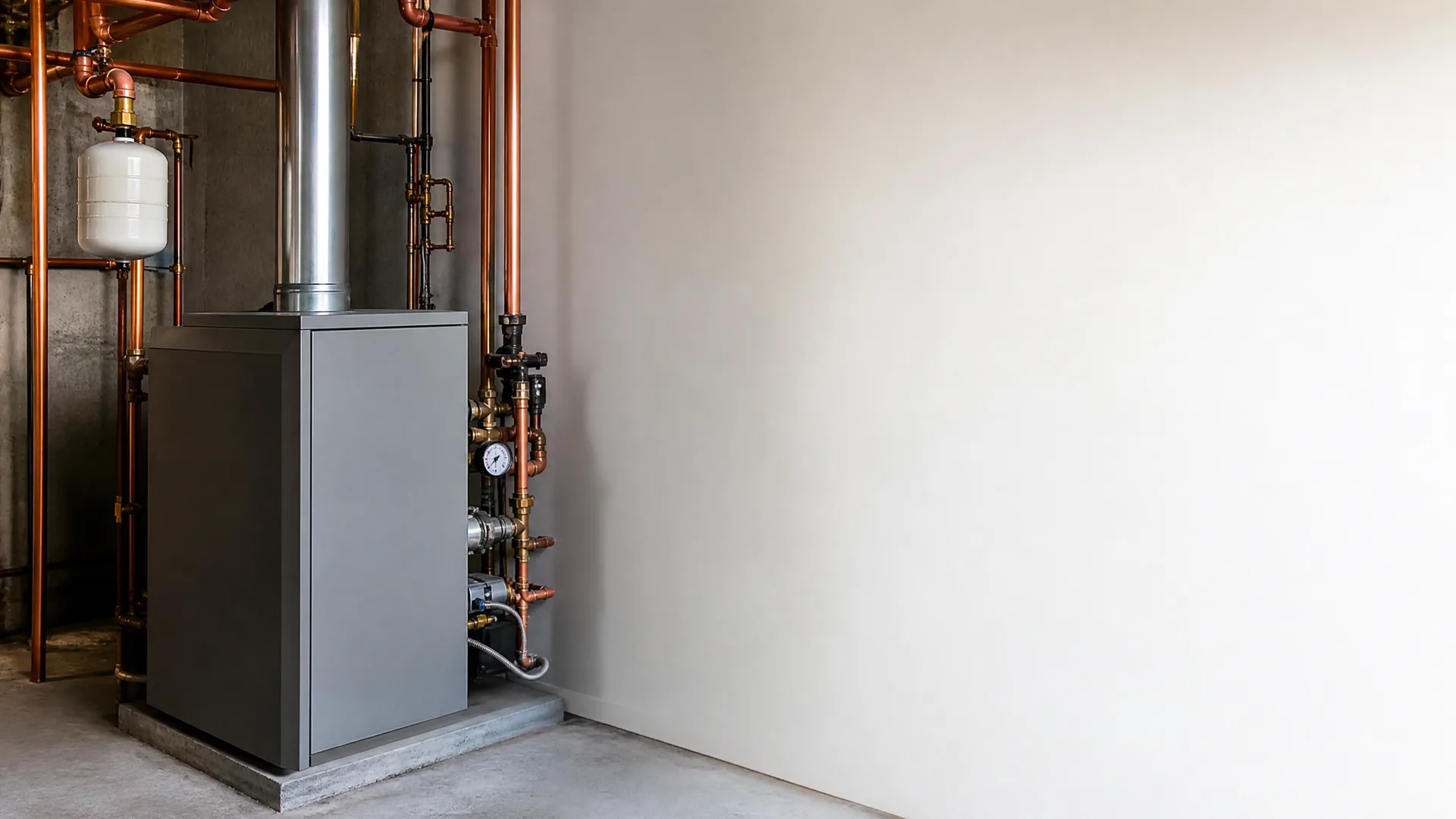
Most boilers run between 12 and 15 psi when the system is cold. Once the heat kicks on and the water warms up, that number will climb a bit, and that's normal. The gauge usually has a marked zone, often in red or shaded, showing where pressure should sit. If the needle rests below that zone before the system starts, the boiler is losing water or never had enough to begin with.
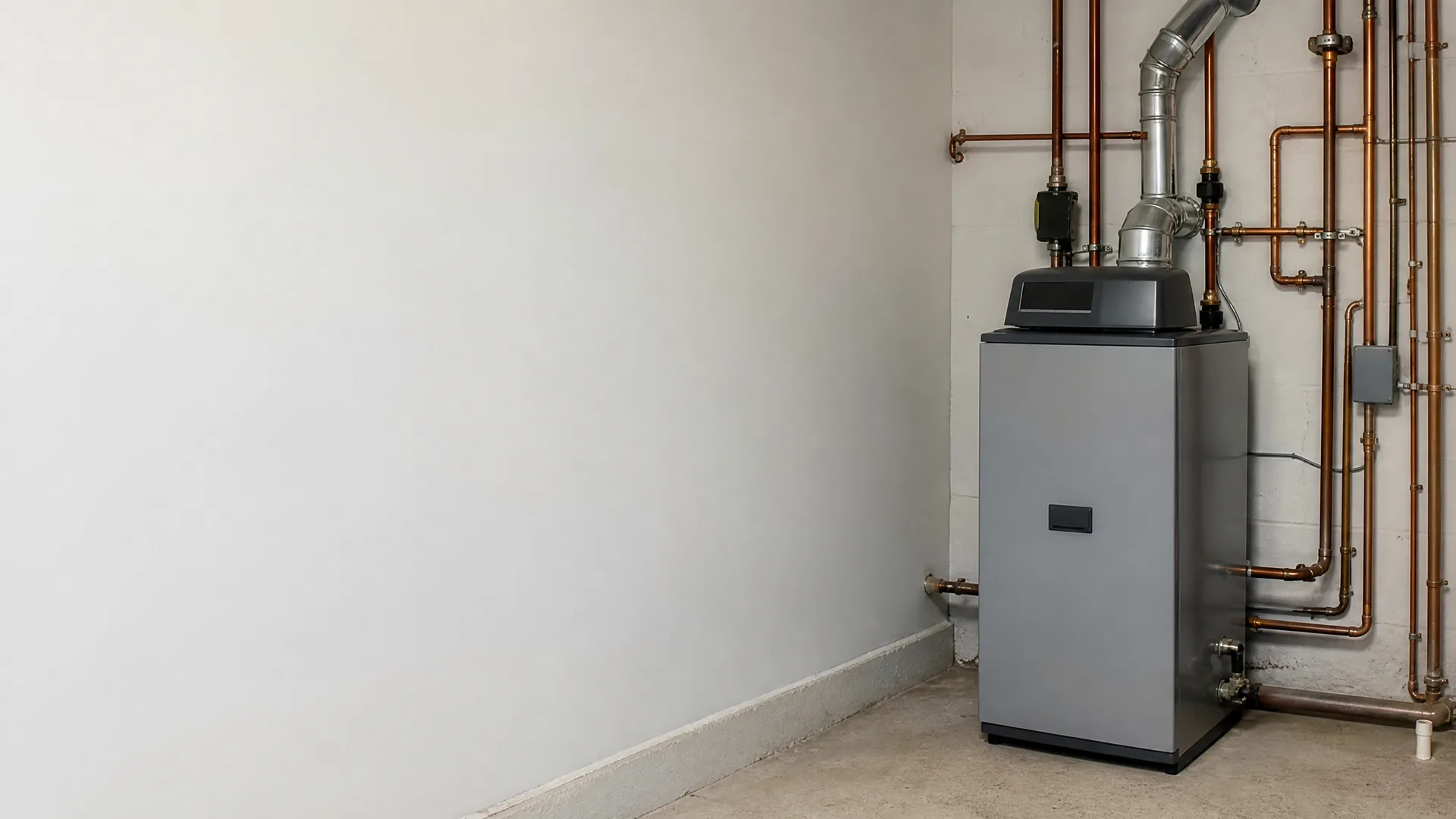
When pressure drops too far, water can't reach every part of the system the way it should. Radiators or baseboards farther from the boiler may stay cold while ones closer to it heat fine. Some boilers shut themselves off below a minimum pressure as a safety measure, which stops heat output entirely until the pressure is brought back up through the fill valve.
If you're topping off the pressure every few weeks, something's letting water or air out of the system, and it's worth finding before it becomes a bigger repair. A boiler that keeps losing pressure can start short cycling or stop heating rooms evenly, something you'd notice fast with Kansas winters. Pressure that creeps up instead, especially once the heat's been running, points toward a filling valve that didn't shut off all the way or an expansion tank that isn't doing its job. Either direction, left alone, wears on the system: a seal, a valve, or the pump itself. None of it announces itself loudly. Usually it's just a gauge reading that's a little off from where it sat last month.
This is what a boiler looks like when pressure stays where it should. The gauge sits in its marked zone, the pipes and fittings stay dry, and the expansion tank is doing its job. Nothing to top off, nothing to watch.
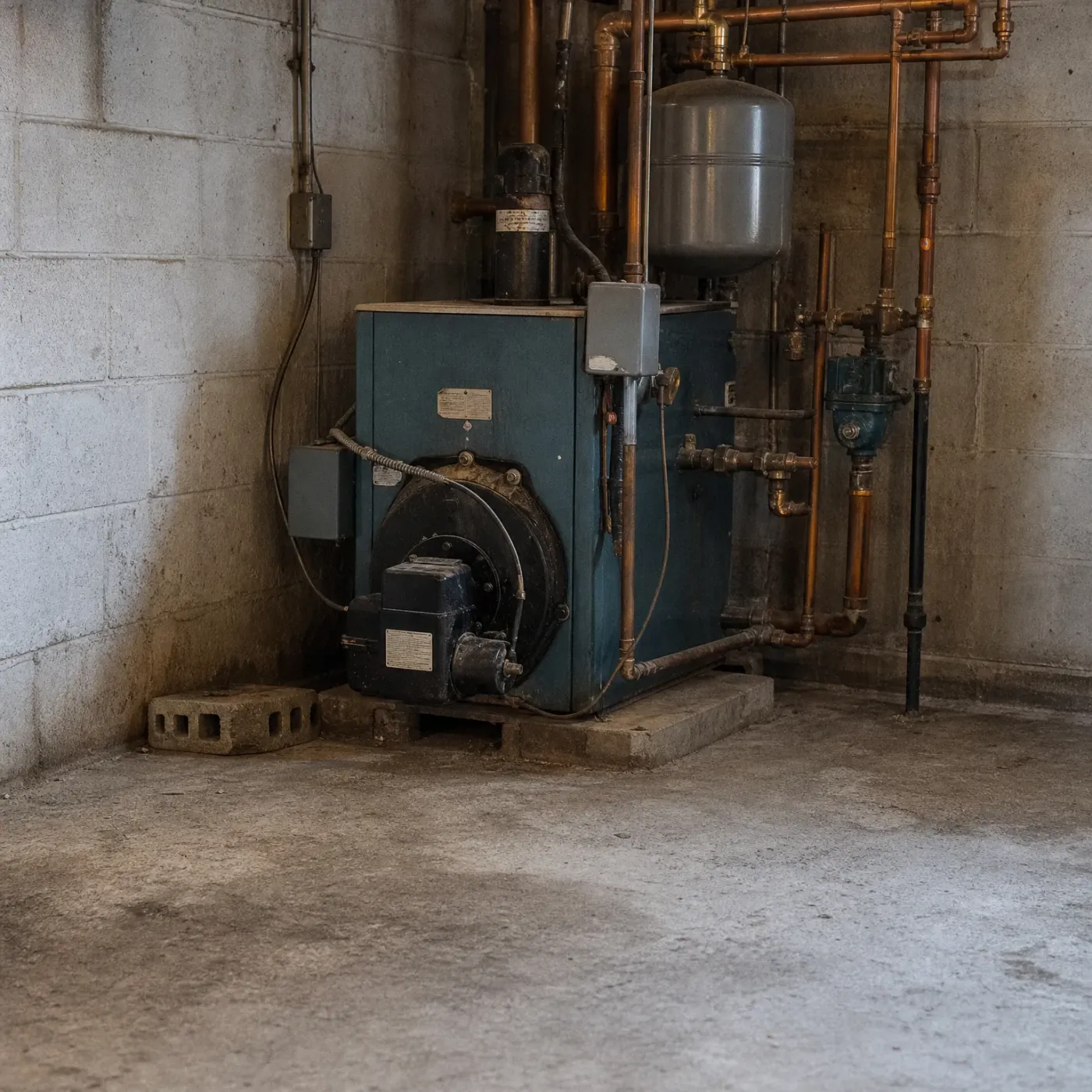
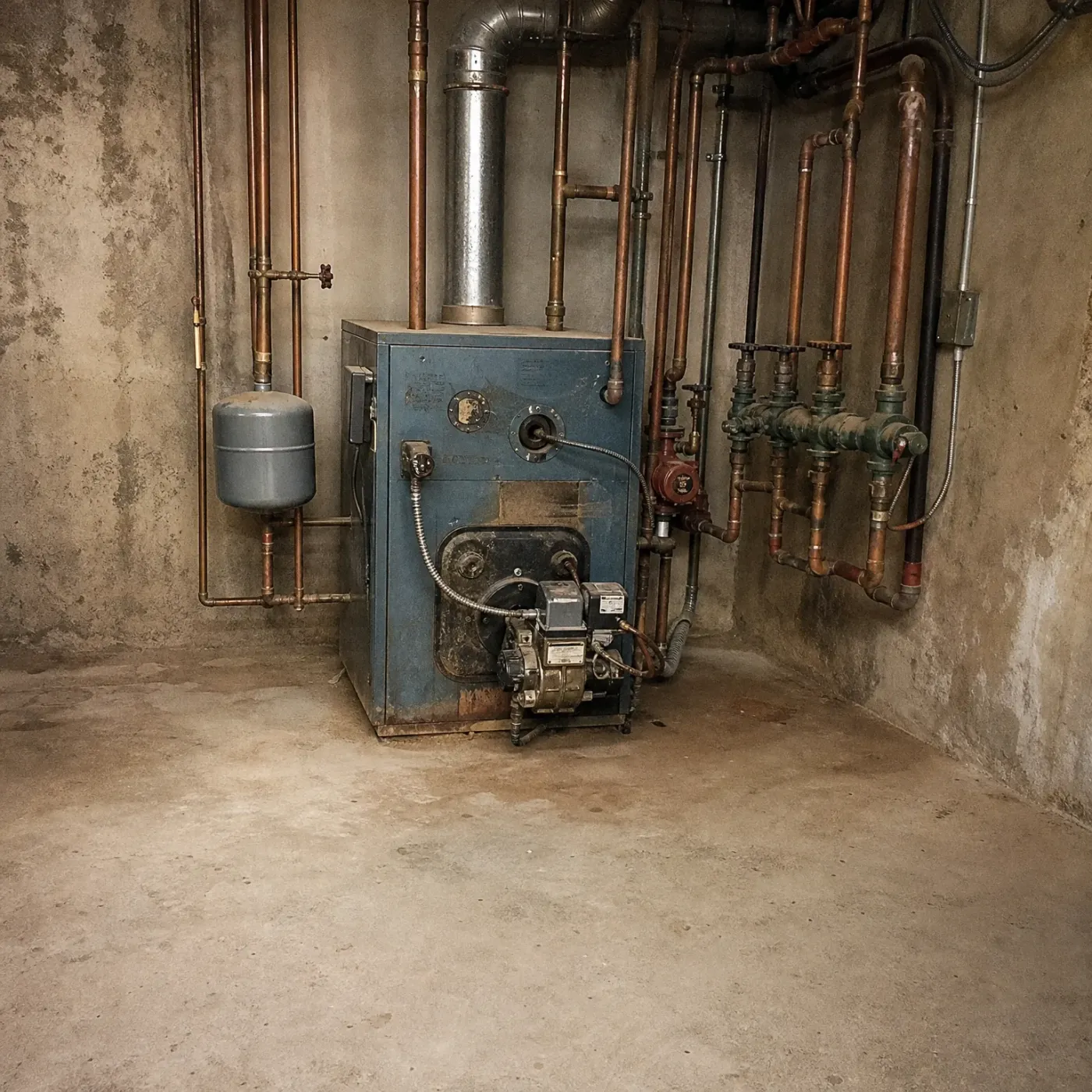
An older boiler like this one is more likely to show a slow leak at a valve or fitting, or a fill valve that no longer holds. If you're adding water every few weeks, something here is letting it out, and it's worth having a local contractor look before a part fails outright.




A licensed local pro takes the request for your boiler tune-up.
A local pro who knows boilers gets your details and gets in touch.
Asking costs nothing, and the choice to hire stays yours.
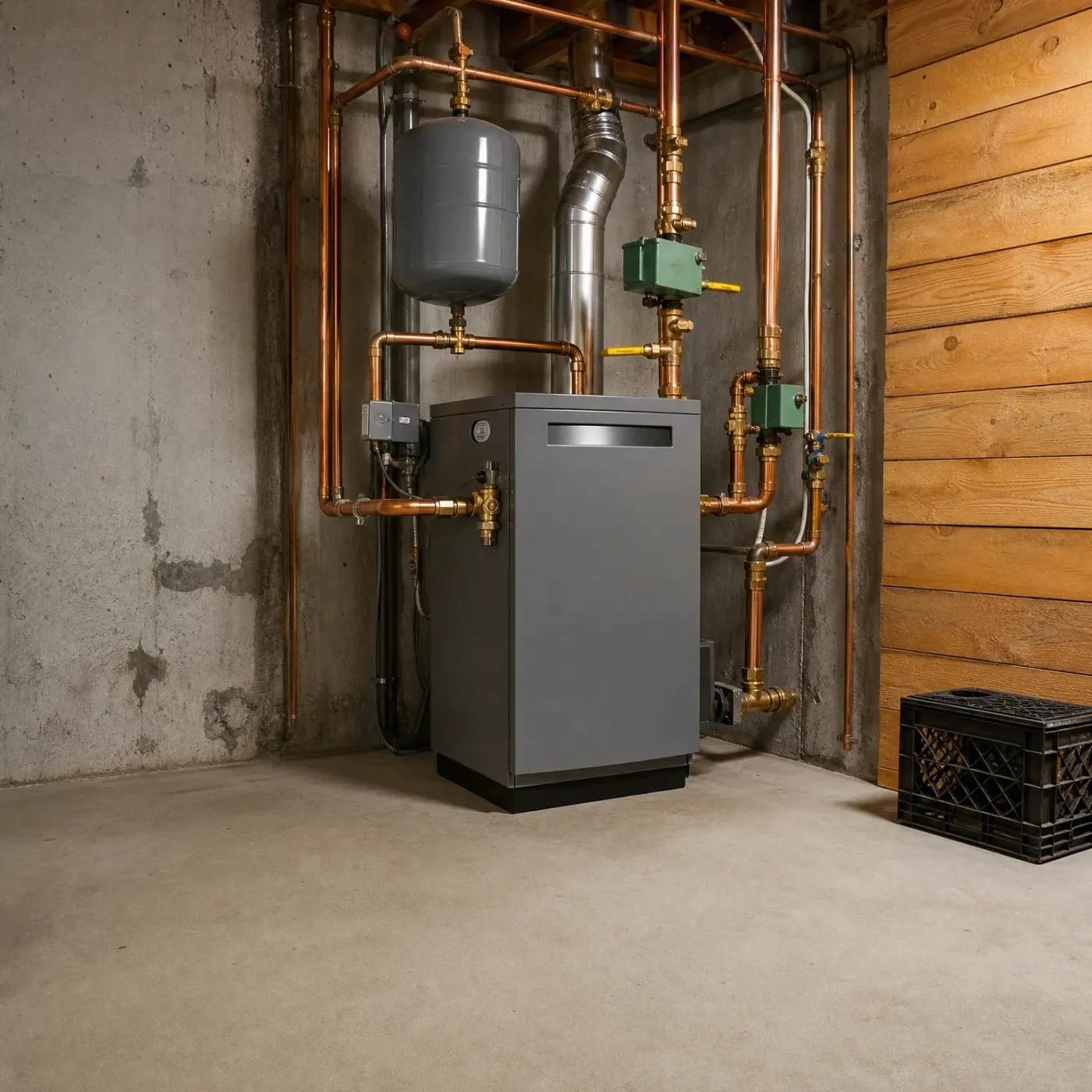
The gauge on your boiler isn't just reacting to a leak somewhere. It's reading the balance between a few parts working together. The expansion tank gives hot water somewhere to go as it expands, so a small rise when the burner fires is the system doing its job, not a problem. The fill valve is your way of adding water back when pressure sits low. Some systems have an automatic version that does this on its own, which is handy until it's covering for a slow leak you don't know about yet. The relief valve is the safety end of things, built to open if pressure gets too high, usually around 30 psi. If your tank's air charge is gone and it's filled with water instead, you'll see the gauge climb when the heat's running and fall back once it cools, a pattern worth noticing. And if you've just bled a radiator, a quick drop in pressure right after is expected, not something to worry about.


You keep an eye on the gauge, top it off when it's low, and call someone when it won't hold. That's the difference between catching a bad valve now and catching a flooded floor later.
Someone who services boilers all winter in Kansas has seen which fill valves stick and which expansion tanks waterlog first. A local contractor matched to your system knows where to look before it becomes the floor.


Pressure checked and adjusted before winter, so the gauge sits where it should when the burner kicks on and stays there through the cold months.
Nobody's looked at the gauge since it was installed. A fill valve stuck open or a slow leak can go unnoticed until the pressure's already a problem.
Winter nights in Kansas average 23°F, so your boiler is working for hours at a time, not just kicking on now and then. That steady run is what pushes pressure up once the water heats, and it's why a gauge that reads fine in October can creep higher by January.
NOAA nClimDiv 1991-2020 county normals weighted by homes
Cold, your boiler should read 12 to 15 psi, and it should hold there without you having to think about it. That's the whole answer. What matters more is whether it stays put through a Kansas winter, when the burner is running for hours at a stretch instead of cycling on and off. A gauge that drifts up or won't stop dropping is telling you something specific: a fill valve stuck open, a bad expansion tank, a leak somewhere in the pipes or a zone valve. Someone who services boilers in this area all winter has seen which of those tends to fail first, and on which brands, because it's the same handful of problems every January. That's a different kind of help than a number on a page. If you'd rather have a local, licensed contractor look at your actual system and tell you what's going on with it, the request goes to one contractor, not a handful of companies competing for your callback.





Only one pro gets your request, so you hear from one company.
Sending the form costs nothing.