

Why your baseboard heat isn't working in Kansas
Say what's going on with your boiler, and a pro who works on them reaches out.
Find a boiler proBaseboard heat that isn't putting out warmth usually comes down to air trapped in the line, a zone valve stuck closed, or the circulator pump failing to push hot water through. With gas boilers, the system heats water at the boiler and relies on that water moving through the baseboard loop to radiate heat into the room. If air gets into the line, water can't fill the baseboard the way it needs to, and you get cold spots or a unit that stays cool end to end. A stuck zone valve means that room never gets its share of hot water at all, even while the rest of the house heats fine. If the circulator pump itself has quit, nothing moves and the boiler may be firing for nothing. None of this is something to wait out through a Kansas winter. Left alone, a boiler that keeps firing against a system that isn't circulating right works harder than it should, and the parts carrying that extra strain are the ones that fail next.
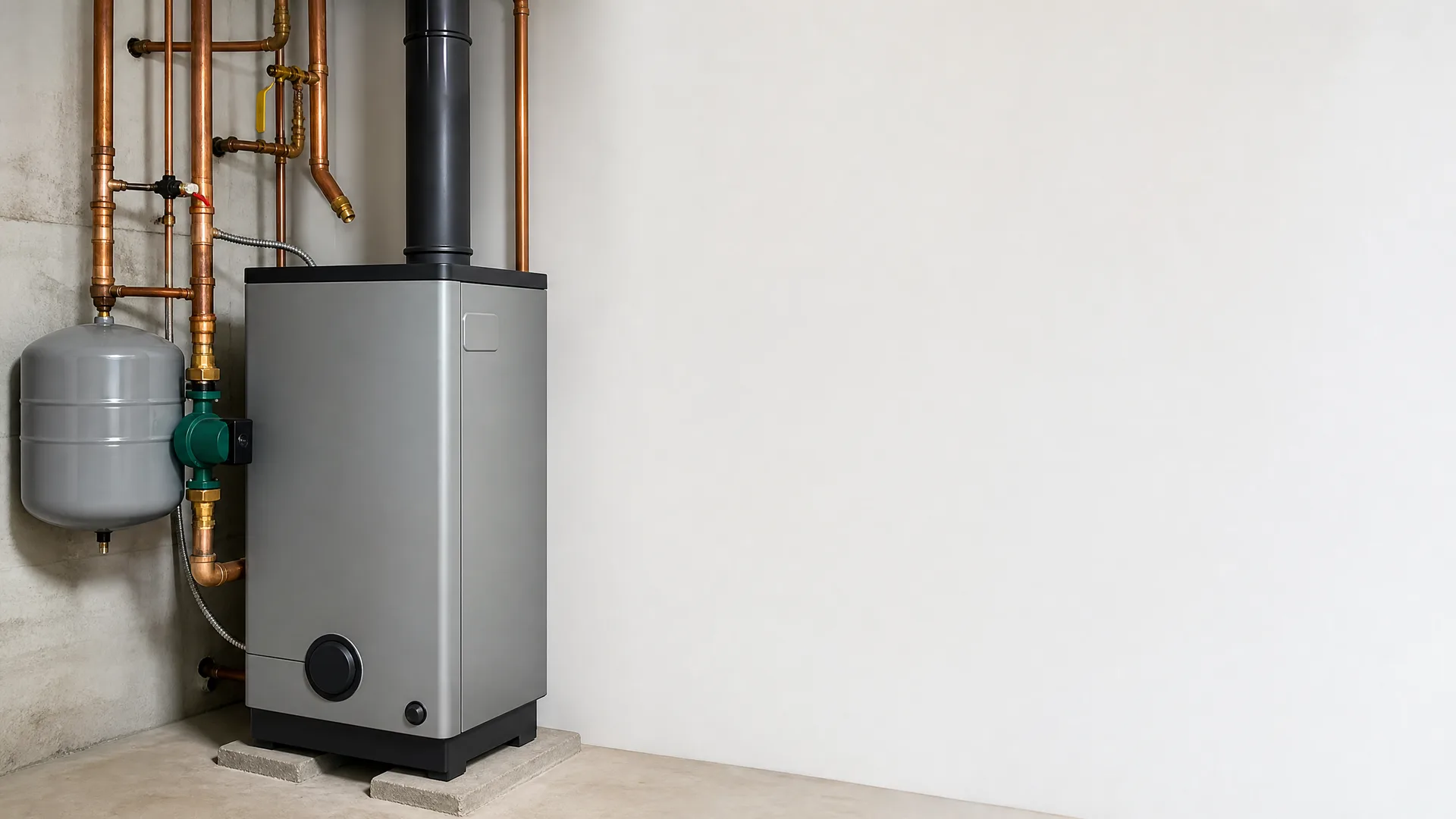
Bleed the line before anything else
Air pockets in a baseboard line keep hot water from reaching the far end of the run, so the first few feet warm up and the rest stays cold. Most baseboard units have a bleed valve at one end. Opening it until water runs steady without sputtering clears the air. If the line fills with air again within a few days, something upstream is letting air back in, and that points to a problem a contractor needs to find.
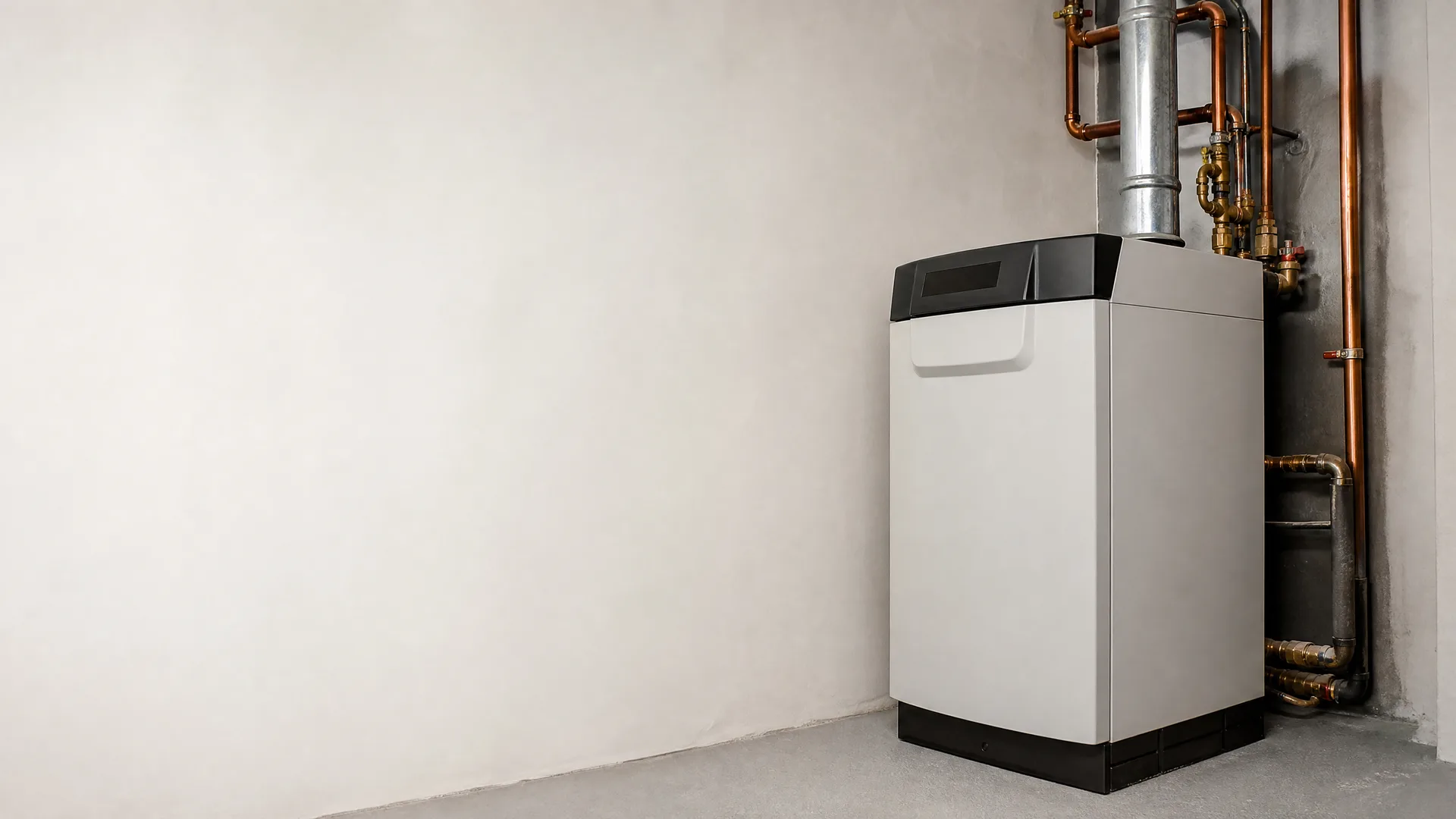
Why one room stays cold
A zone valve controls hot water to a single loop, so when it sticks closed, that zone goes cold while the rest of the house heats fine. The valve runs on a small motor that opens and closes it as the thermostat calls for heat. When that motor fails or the valve seizes partway, water stops moving through that loop even though the boiler is firing and sending heat everywhere else.
Why does my baseboard heat work in some rooms but not others?
You bleed one room's baseboard and it heats fine, but the room down the hall stays cold no matter how long the boiler runs. The thermostat says it's working. The boiler sounds like it's working. But heat just isn't reaching that one room, or a couple of rooms, while the rest of the house is fine.
That room likely has its own zone valve, and it isn't opening
Most Kansas homes with boiler baseboard heat split the house into zones, each with its own valve and its own thermostat. Hot water only reaches a zone when that valve opens. When a zone valve sticks closed or its motor fails, water keeps circulating to every other zone like normal, so the rest of the house heats fine while that one room or floor stays cold. A valve that's stuck open the other way can do the same thing in reverse, starving the zones around it. A contractor can test each valve directly and tell you whether it needs replacing or if the problem is further back, at the circulator or the wiring that controls it.

The boiler fires and heats water to its set temperature.
The circulator pump pushes that hot water into the loop.
Water travels through the baseboard's copper tube and fins.
The fins release heat into the room as water passes.
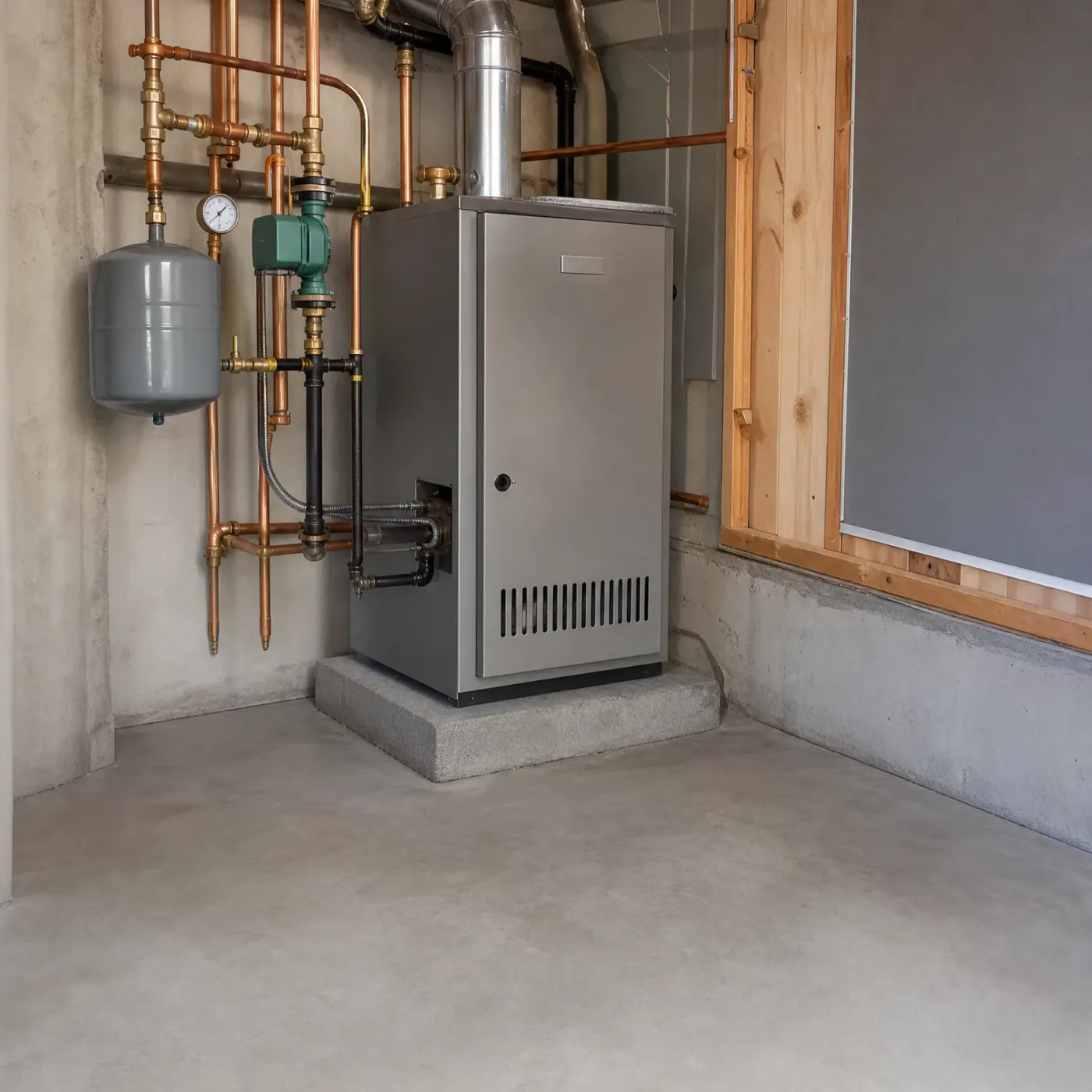
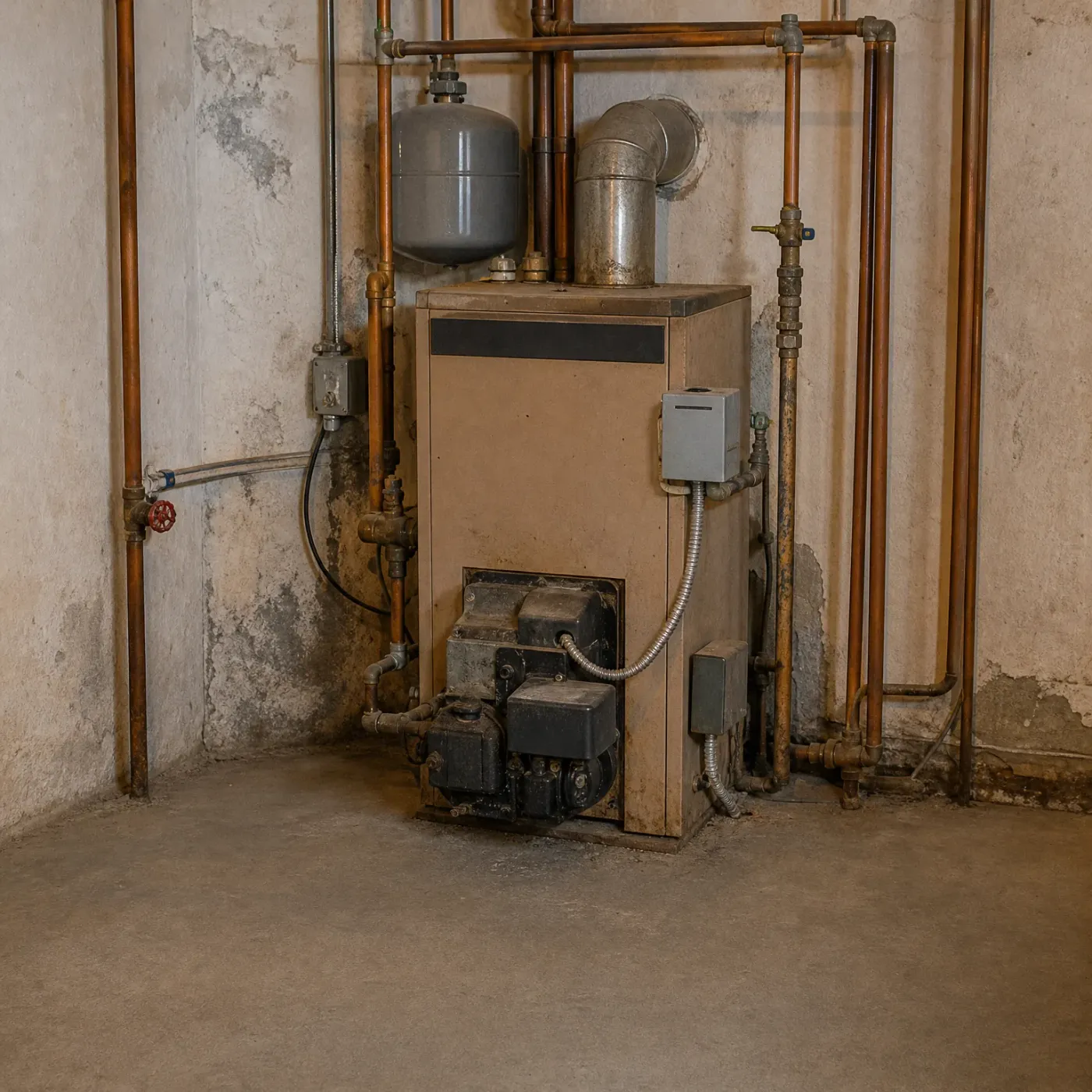




Winter nights average 23°F statewide
At 23°F, your boiler is running most of the night to keep up. A zone valve stuck closed or air trapped in one baseboard run shows up fast in weather like this, with that room staying cold while the rest of the house heats fine.
NOAA nClimDiv 1991-2020 county normals weighted by homes
A local pro for your boiler repair

Answer a few questions instead of calling shop after shop.
It costs nothing to send, and you don't have to hire anyone.
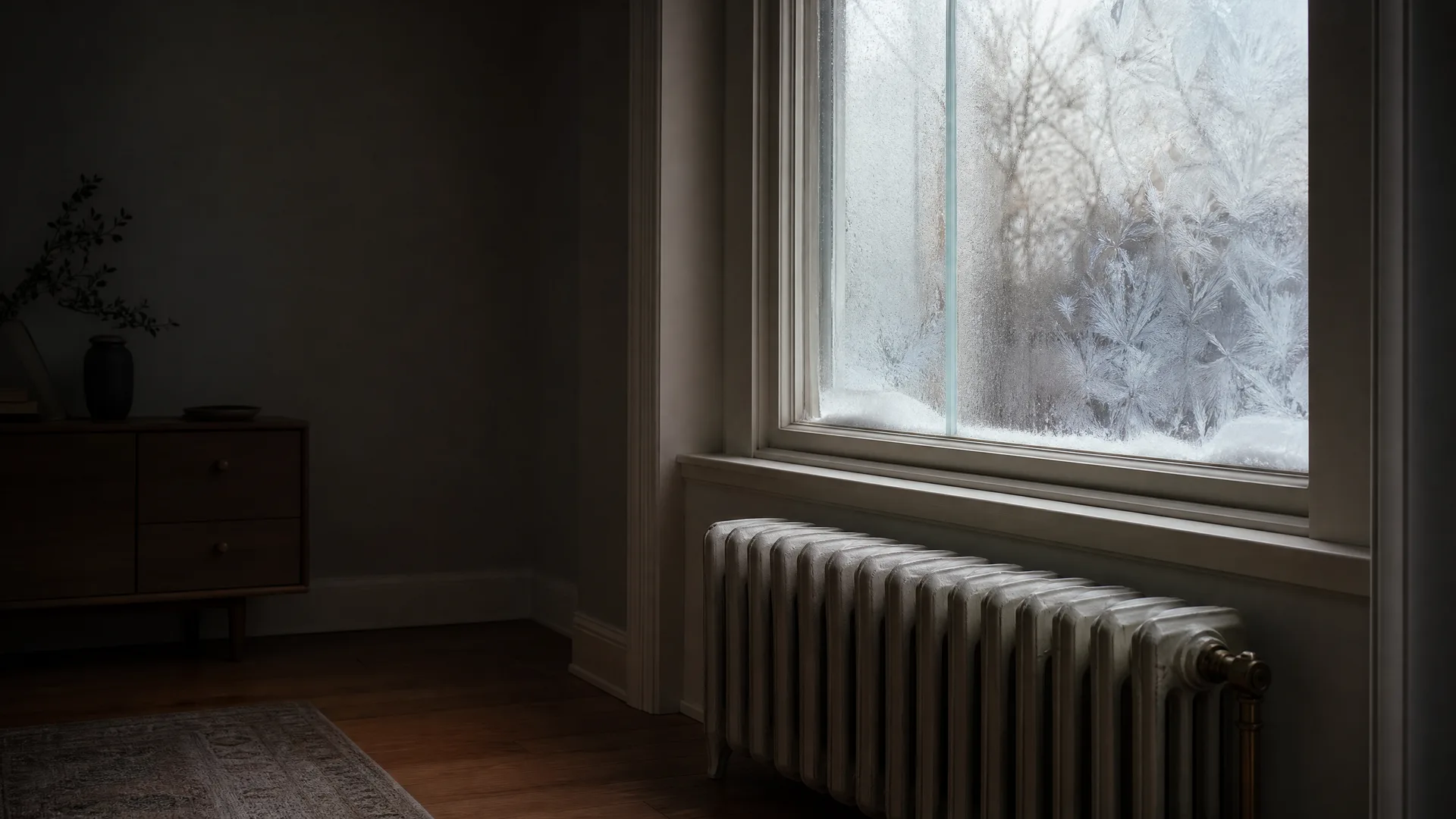
You come down before the thermostat has kicked back on and the living room still holds the cold from outside. The radiator under the window is dark iron, and the glass above it has gone white with ice on the inside. You put a hand flat on the top of the radiator. Nothing. Not warm, not even trying. Outside it's still dark, one of those January mornings that doesn't want to let go, and the only sound in the house is the boiler running somewhere below you, working for a room that isn't getting any of it.

A cold baseboard in January isn't a wait-and-see problem
You already know the pattern. A room goes cold, you check it, you catch it early, and most of the time that's the right call. But a baseboard that won't heat ties back to the boiler itself, the circulator, or a zone valve, and those don't fix themselves by waiting. Gas keeps firing the burner whether the heat makes it to the room or not, so the boiler runs and the gas bill reflects it while that one room stays cold.
Leave it long enough and it stops being a one-room problem. A stuck zone valve or a circulator losing strength puts load on the rest of the system to compensate. Instead of tracking down a repair contractor yourself, calling around, explaining what the boiler's doing and what you've already checked, you can get matched with one who works on boilers like yours and have them reach out to you directly.



Where this leaves you
- Cold baseboard units most often trace back to trapped air, a stuck zone valve, or a circulator pump that has stopped pushing water through the loop.
- A boiler that fires and sounds normal can still leave one room cold if the problem sits in that room's line or valve.
- Bleeding the line is the first check, but a pump or valve issue needs a contractor's hands and tools to confirm.
- Cold weather in the teens and twenties exposes these problems fast, since the system has no slack left to cover for them.
- Catching a cold baseboard early keeps a small valve or pump fix from turning into a boiler strained past what it can handle.
- A licensed contractor can trace whether the fault is the boiler, the pump, or the line without you guessing room by room.
A cold baseboard in a Kansas winter almost always comes down to one of three things: air in the line, a zone valve stuck closed, or a circulator pump that quit pushing water where it needs to go. The boiler itself can be firing fine while one room stays cold, because the fault sits downstream in that room's valve or run. Bleeding the line is worth trying first. If the room next to it stays cold after that, the problem is the pump or the valve, and that calls for a contractor who can trace it room by room instead of guessing.
None of this gets easier to ignore once the temperature drops into the teens or twenties. The system has no slack left to cover for a stuck valve or a weak pump, so what looked like a minor cold spot in October shows up as a boiler working harder than it should in January. Catching it now is what keeps a small repair from turning into a bigger one.
What usually eats the time isn't the fix itself, it's finding someone to do it: searching for a contractor who works on boilers and baseboard systems, calling a few, explaining the same cold room and the same bleed valve test to each one, then sorting through quotes that don't quite match up. Submitting your information here skips that part. It gets you matched with a contractor who handles this kind of system, and they reach out to you directly.
Get the right pro for your boiler
Describe your boiler job once, to one pro.