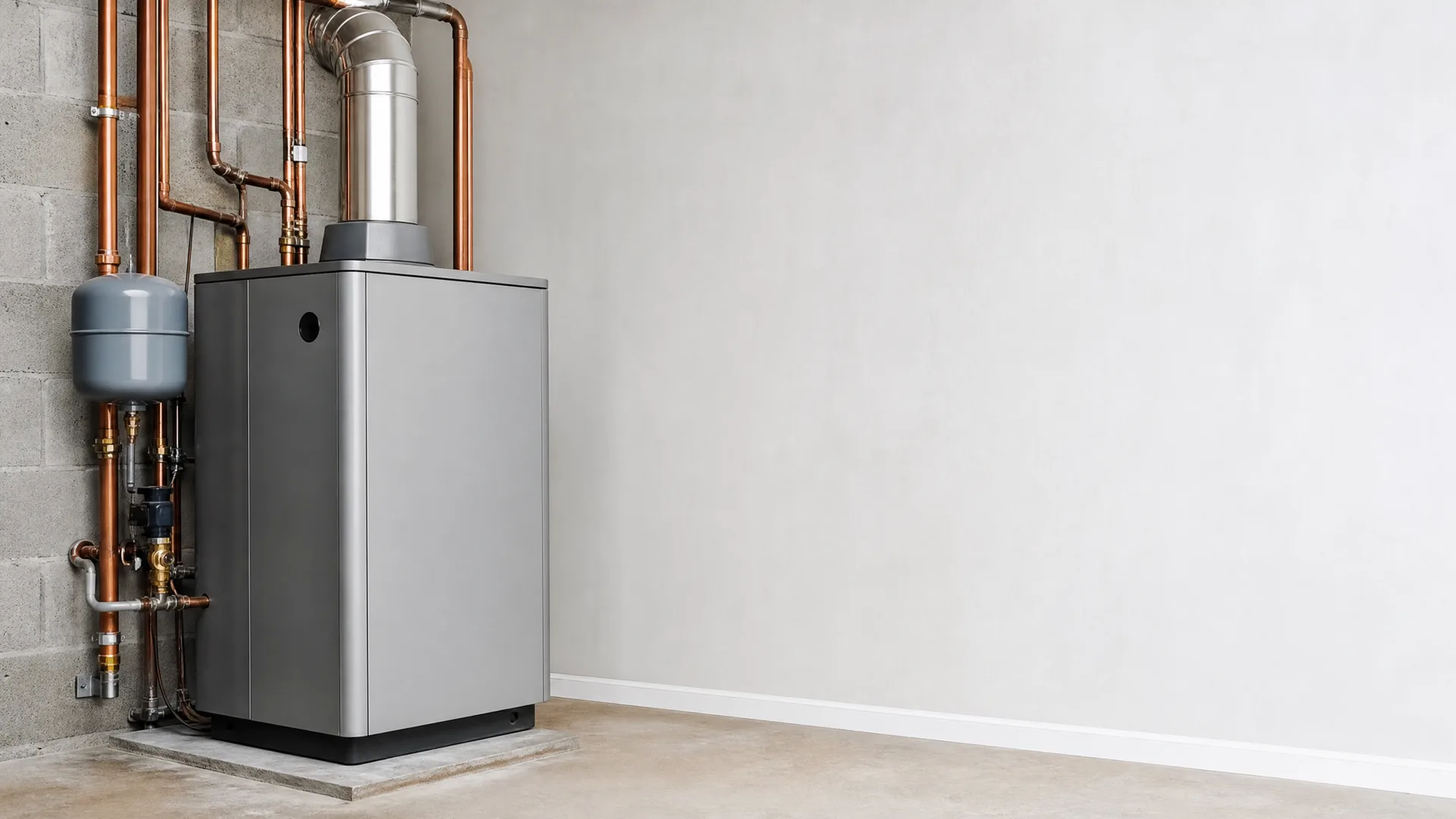
Piping runs clear and full
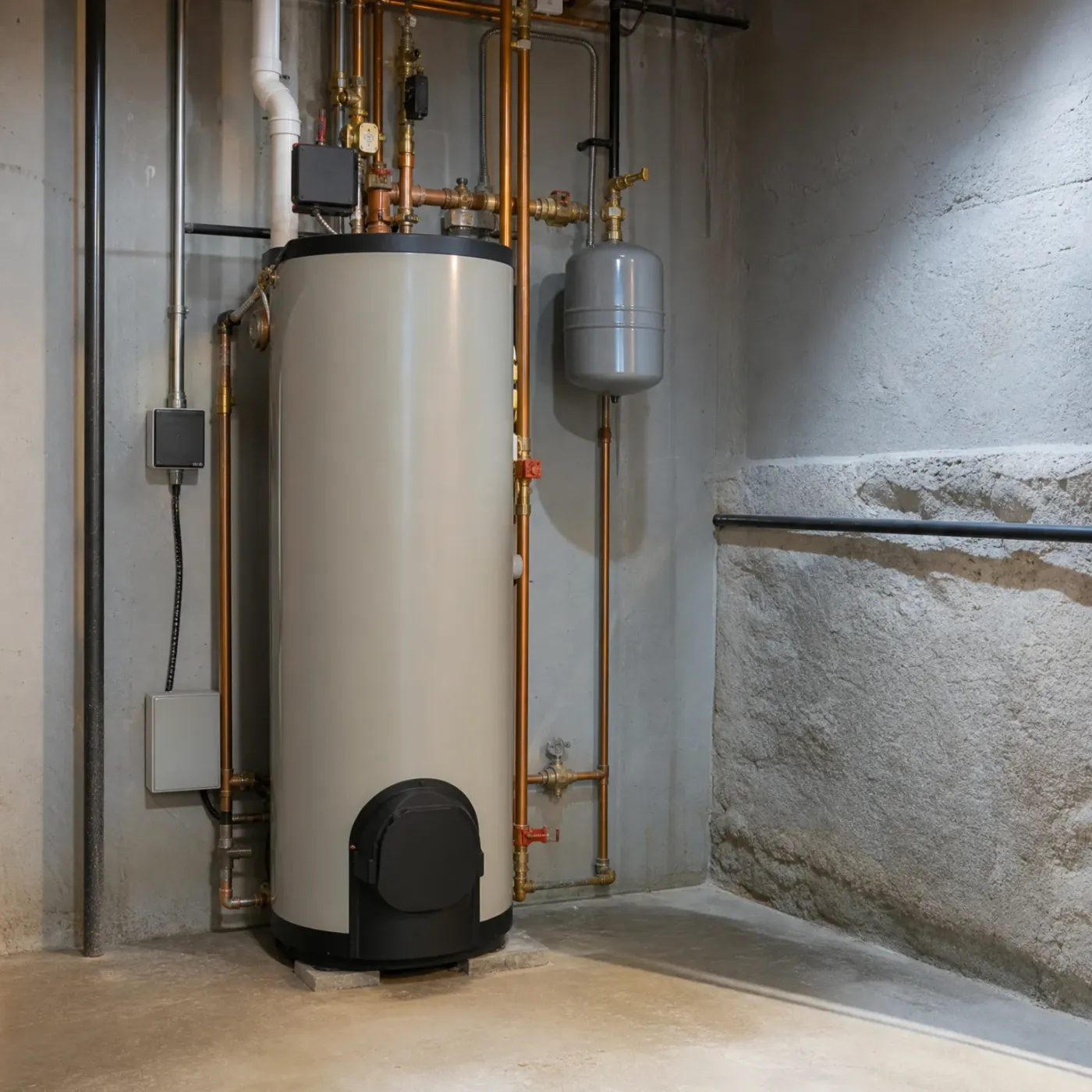
Copper lines, valves and the expansion tank all hold steady pressure with no air pockets working through. Water moves through the loop quiet, and the pump never fights a bubble to get hot water where it needs to go.

A gurgling boiler usually catches you off guard, especially when the house has been quiet all evening and you're just trying to keep everyone warm through a Kansas winter. It's not a sound you can ignore for long. You want to know if it's something minor or if it means the boiler is about to leave your family without heat on a cold night.
Gurgling means there's air where there should only be water, or there's a buildup of sludge and mineral deposits narrowing the pipes and the heat exchanger. Air gets in when the system loses pressure or after it's been bled or refilled. Sludge builds up over years as the water inside breaks down metal and scale inside the pipes. Either one makes the boiler work harder to push water through, and that's what you're hearing. In a Kansas home running gas heat through the cold months, a boiler that gurgles now will likely get louder as winter goes on, and the trapped air or buildup can wear on the heat exchanger and the pump if it sits unaddressed.
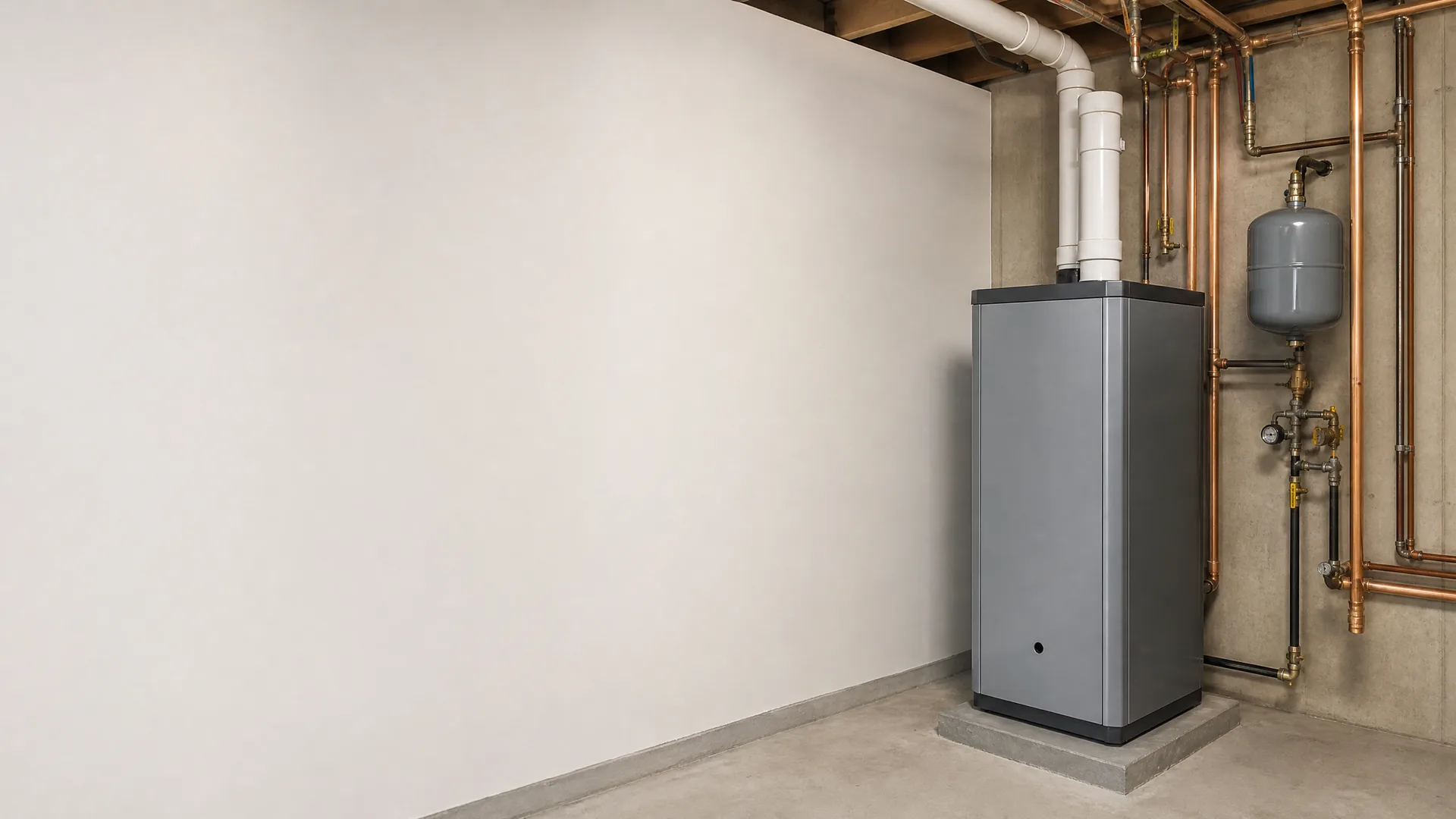
Water boilers push hot water through pipes and radiators or baseboard units, and if air gets into that loop it has to go somewhere. As the pump pushes water past a pocket of air, it bubbles through and makes that gurgle. Most systems have a bleed valve on radiators or an automatic air vent near the boiler itself. Air gets in during refills, after repairs, or slowly over time through fittings, so one gurgling spell doesn't always mean something is wrong.
A boiler needs enough water in the system to circulate properly, and when the level drops low, water moving through the pipes can sputter and gurgle instead of flowing smooth. Sediment settling at the bottom of the tank causes a similar sound, as water works its way around grit and buildup instead of past it. Check the pressure gauge on the boiler. If it reads below what the manufacturer lists as normal, that's worth having a contractor look at before the burner starts short-cycling.
Walk past the mechanical room and you'll hear it before you see it, a gurgle or a knock that sometimes carries up into the room where the radiator or baseboard unit sits. The water in that unit might feel cooler than it should, or warm up slower than the rest of the house. Some rooms heat fine while one or two lag behind. If the sound has been going on for a while and nothing's been done about it, the boiler is working harder to push heat through air it shouldn't have to move, and that strain doesn't fix itself. Left alone through a Kansas winter, it can mean higher bills and a room that never quite gets warm enough for whoever's in it.
Air collects in the top of a radiator or pipe loop.
Water pumps past the pocket and forces it to move.
Trapped air squeezes through narrow fittings and bubbles.
That bubbling against metal makes the gurgle you hear.




Bleed it yourself and the gurgling may quiet down for a while, especially if it's just one radiator holding air after the system was off for a stretch.
If the noise comes back within days, or you hear it from the boiler itself and not the radiators, air isn't the only thing going on, and that's worth a closer look.


Your boiler runs on water held at a low, steady pressure, usually 12 to 15 psi. When that number drops, the feed valve opens and lets fresh water in to bring it back up. Fresh water always carries some dissolved air, and heat pulls that air back out once the water's inside the system. Normally the expansion tank catches it, a cushion of air up top with a rubber bladder keeping it separate from the water. Once that bladder fails or the tank corrodes, water fills the space where air used to sit, and the tank can't hold any more of it. The air has nowhere to go but back into the near-boiler piping, and the circulator pushes it along the same tight fittings that make the gurgle in the first place. If you watch the gauge over a few days and see it climb, then fall, then climb again, that's the feed valve adding water on a cycle. Every cycle brings more air in behind it.
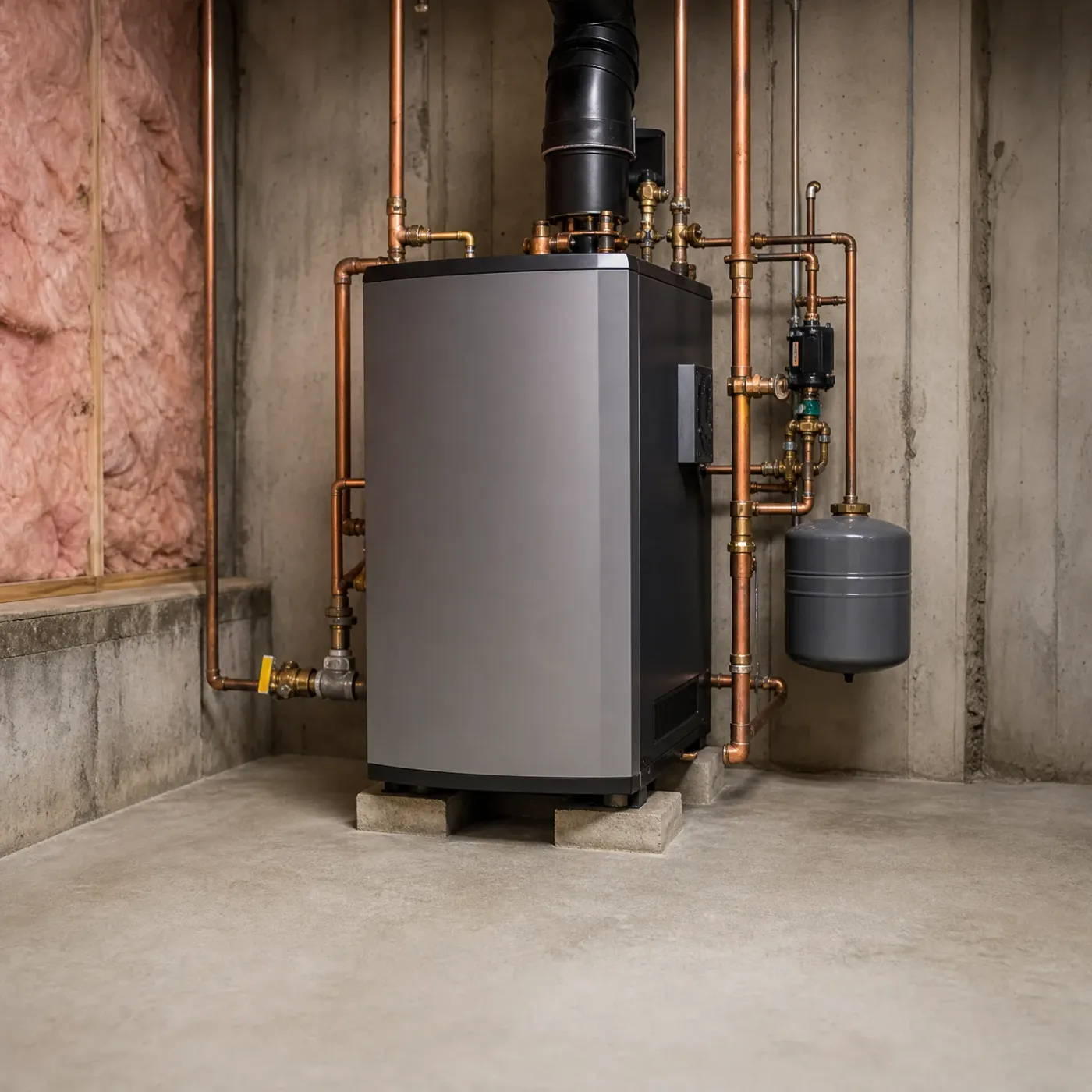
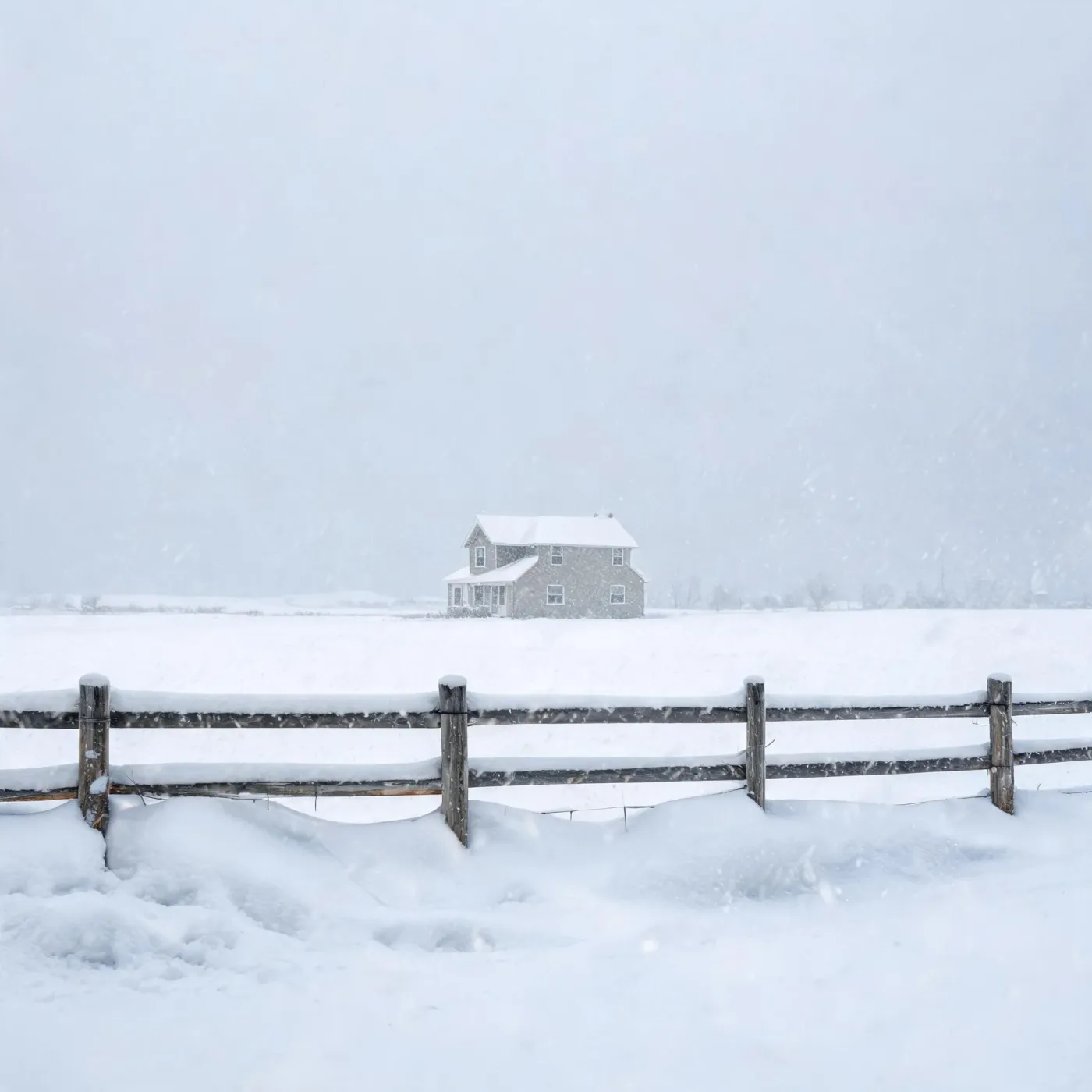
Kansas winter nights average 23°F across the state, according to NOAA climate data. That kind of cold keeps a boiler cycling on for hours at a stretch rather than firing in short bursts, and the longer a run, the more a trapped air pocket gets pushed around the loop and makes noise. Cold nights also pull more makeup water through the feed valve as the system works to hold pressure, and that water carries in the air that ends up gurgling. If the sound got louder once the real cold set in, that's why. A local contractor who works on boilers all winter in this state has heard that pattern plenty of times and knows which part of the loop to check first. You'll hear from one contractor, not several.
NOAA nClimDiv 1991-2020 county normals weighted by homes
A boiler that keeps gurgling through a cold Kansas night usually needs someone to bleed the system properly, check the pressure, or find out why air keeps getting back in. That's not always a job you want to keep chasing yourself, especially once the sound starts coming from the boiler and not just the radiators. A local contractor who services boilers all winter has likely heard this exact gurgle in another Kansas house this season, and knows whether it's trapped air, a feed valve letting in too much water, or something further along in the loop. Sending the request means one licensed contractor who works on this equipment regularly gets your situation, not a handful of companies competing for your callback. You stop having to guess at the fix or track down who's available tonight. That part becomes someone else's job, and the noise in the mechanical room stops being yours to solve alone.
Most of the troubleshooting advice stops at bleeding a radiator, but the parts that actually control air in a boiler loop sit closer to the boiler itself. A zone valve that sticks half open changes how water moves through the system, and that uneven flow pulls air into places it shouldn't be. The expansion tank matters too. It holds a cushion of air behind a bladder, and once that bladder corrodes and loses its charge, the system waterlogs and starts gurgling right at the boiler instead of out at the radiators. The near-boiler piping, the short stretch of pipe right off the unit, is supposed to handle this. An air separator sits in that piping to catch bubbles before they get pumped out to the rest of the house, and an automatic air vent is there to let that trapped air escape. When either one fails or clogs, air that should have been pulled out instead rides along into the radiators and baseboards. Older cast iron boilers make the problem more obvious, since they hold less water than newer units, so there's less volume to quiet down a pocket of air moving through. Not every knock is air, either. Sediment that's settled in the bottom of the boiler can rattle around and make a sound close enough to gurgling that it gets blamed on air when it isn't.
At 23°F overnight, your boiler isn't cycling off much before the next call for heat comes in. Those long runs push any trapped air around the loop for hours instead of minutes, which is why the gurgle doesn't just quiet down on its own.
NOAA nClimDiv 1991-2020 county normals weighted by homes
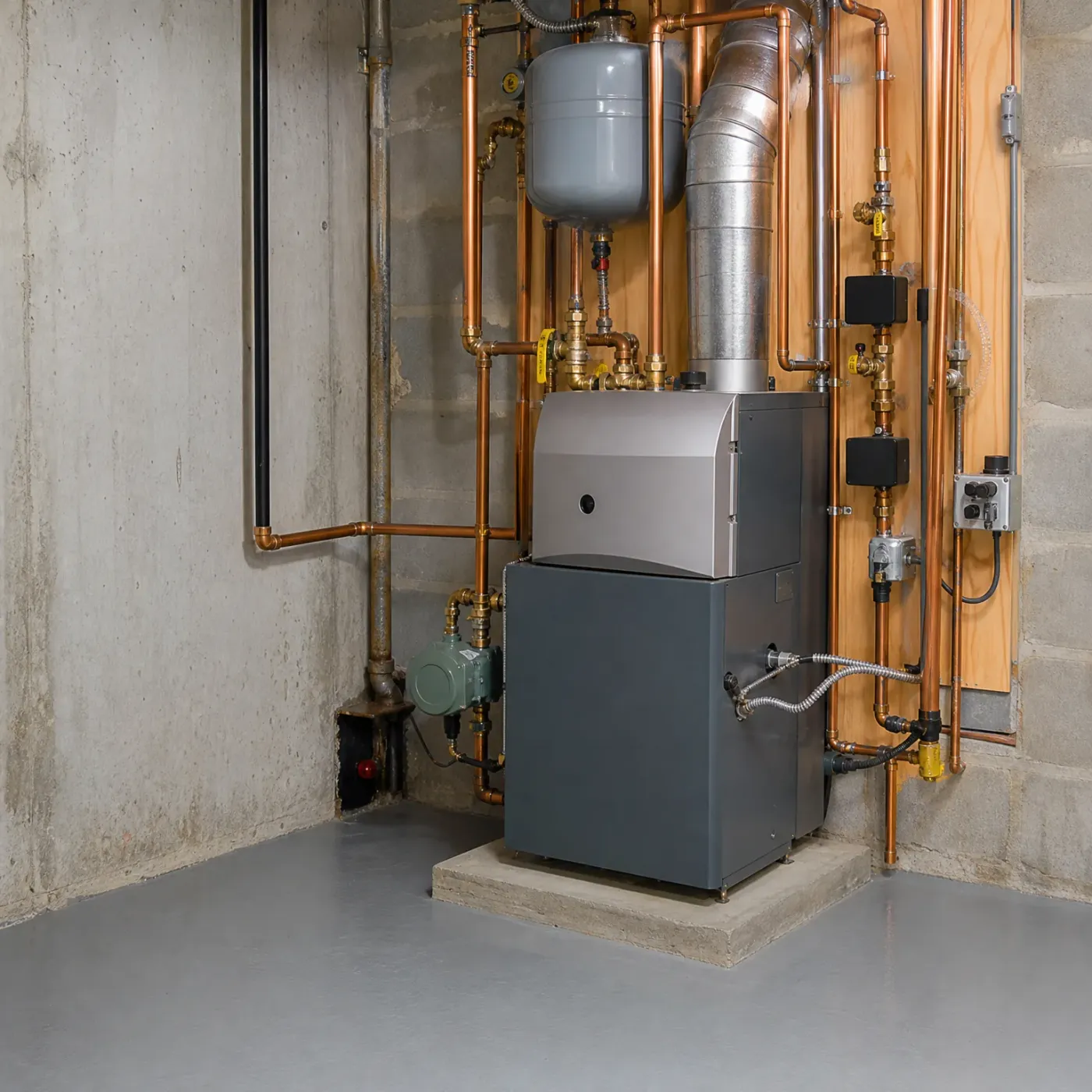
Copper lines, valves and the expansion tank all hold steady pressure with no air pockets working through. Water moves through the loop quiet, and the pump never fights a bubble to get hot water where it needs to go.
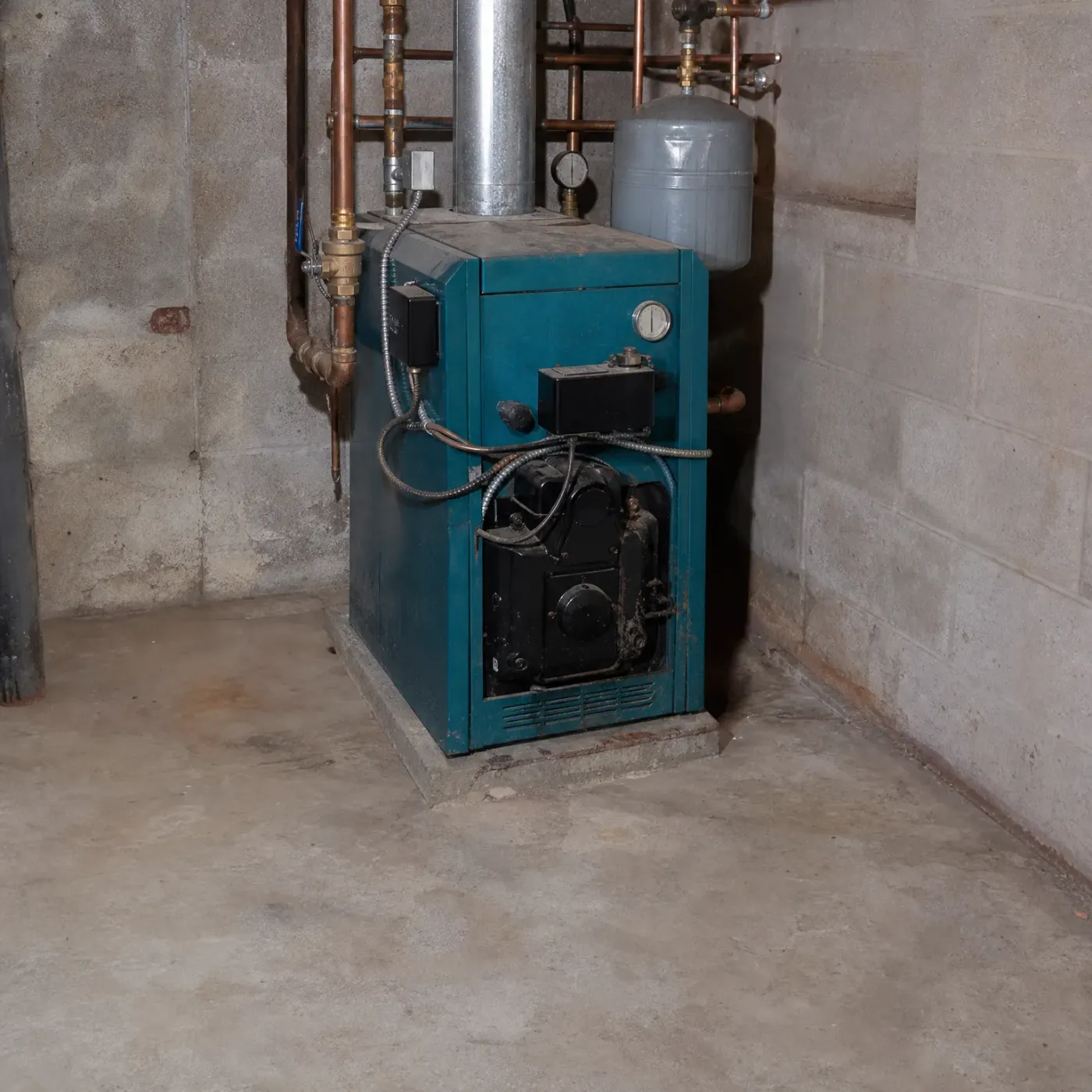
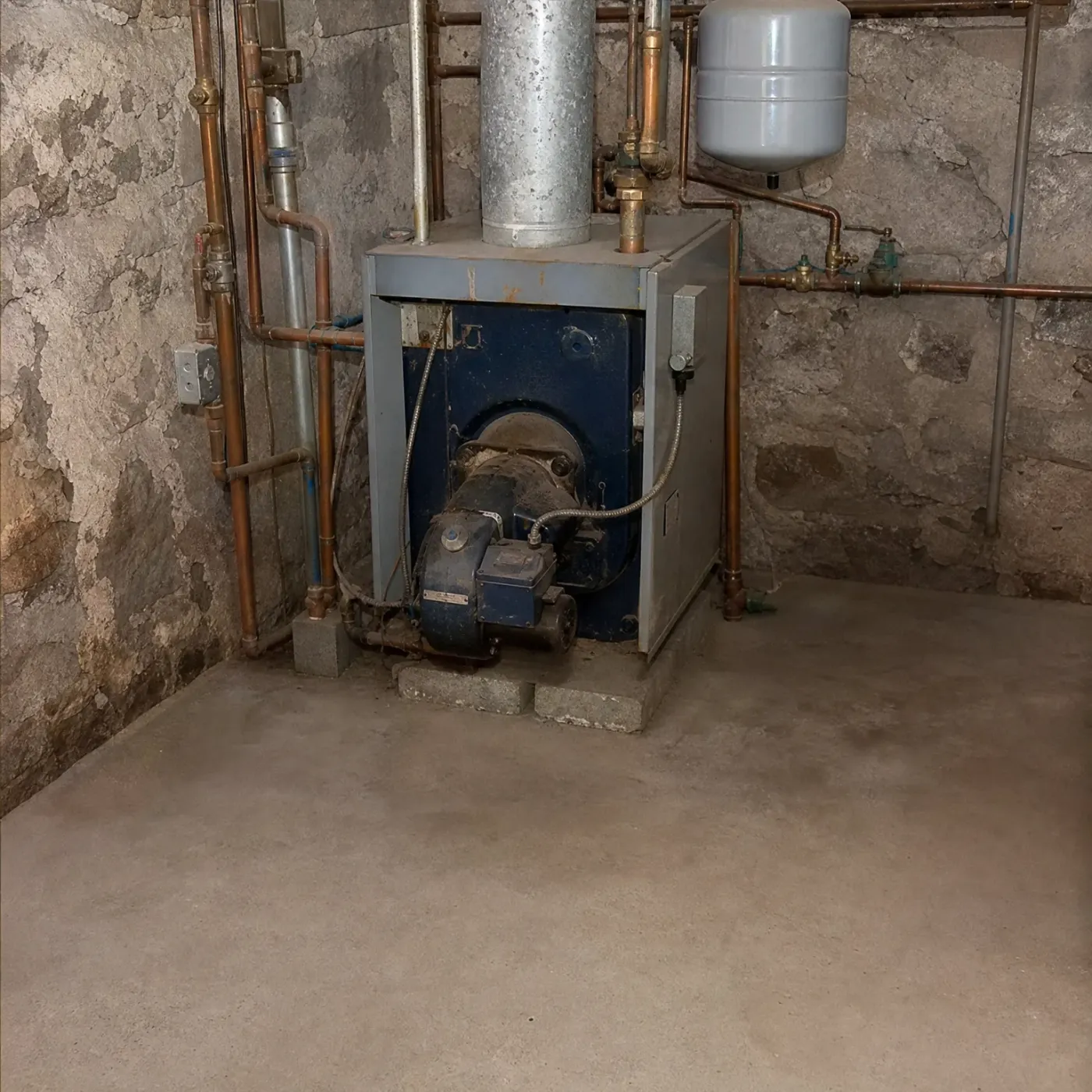
A unit this age has had years for the expansion tank bladder to weaken or a valve to start sticking. Corrosion and a tired tank are common reasons gurgling shows up near the boiler itself instead of just one radiator.
A gurgling boiler is air working its way through water it shouldn't be in, whether that's one radiator that needs bleeding or a pressure problem feeding air into the system faster than bleeding can clear it. Either way, it's worth sorting out before another cold Kansas night pushes that air around the loop for hours. A local contractor who works on boilers all season has heard this exact sound plenty of times and knows which of the usual causes to check first, from a stuck zone valve to a worn expansion tank. You'll be matched with one licensed contractor in your area, not a handful of companies competing for your callback, so the person who shows up is the one who's already looking at your system. Once that's set in motion, you're not the one tracking down who's available or who actually works on boilers. The gurgling has an answer. Getting it fixed just takes someone who already knows where to look.
The pro who reaches out is licensed in Kansas.
No charge to send it. You decide if you hire them.