Low pressure is the most common trip
Most boilers want pressure between 12 and 15 psi when cold. If the gauge reads lower, the system shuts down before it ever gets to the burner.
The right pro for this job
A boiler that shuts off mid-cycle usually points to a safety switch doing its job, low pressure, a bad igniter, or airflow trouble in the venting. This page walks through what tends to cause it and what a furnace tech looks for first. If you'd rather have someone local check the actual unit, you can get matched with a contractor who works on boilers in Kansas all winter and knows what to rule out fast.
Find a pro near meA boiler that keeps shutting off is usually tripping on purpose. Boilers have safety switches that cut the burner when something is off, and in most cases the cause is low water pressure, a flame sensor that can't see the flame anymore, or a pressure switch reacting to a blocked vent. Kansas winters put a boiler through long, steady runs, and that kind of use wears an igniter or sensor faster than the short bursts of a mild month. If the shutoffs started once the cold set in, that timing points to the system working harder, not a new problem out of nowhere. A boiler that locks out repeatedly and relights on its own is protecting itself, but it should not need to do that often. Left alone, frequent lockouts tend to get worse, not better, as whatever triggers them continues to wear.




Most boilers want pressure between 12 and 15 psi when cold. If the gauge reads lower, the system shuts down before it ever gets to the burner.
The flame sensor has to see the burner lit within seconds or the control board shuts the gas valve off, even though the boiler is actually running fine.
You'll notice it in the rooms farthest from the boiler first. A bedroom that won't hold heat, radiators or baseboards that go lukewarm, or the whole system running in short bursts instead of a steady cycle. Some homeowners hear a click and then quiet where there should be a burner running. Others check the pressure gauge and find it sitting below 12 psi, or notice the display showing an error code instead of a normal run light. If this keeps happening through a Kansas winter, the house won't hold temperature the way it should, and a boiler that shuts off enough times a day is also wearing on parts that weren't built to start and stop that often.
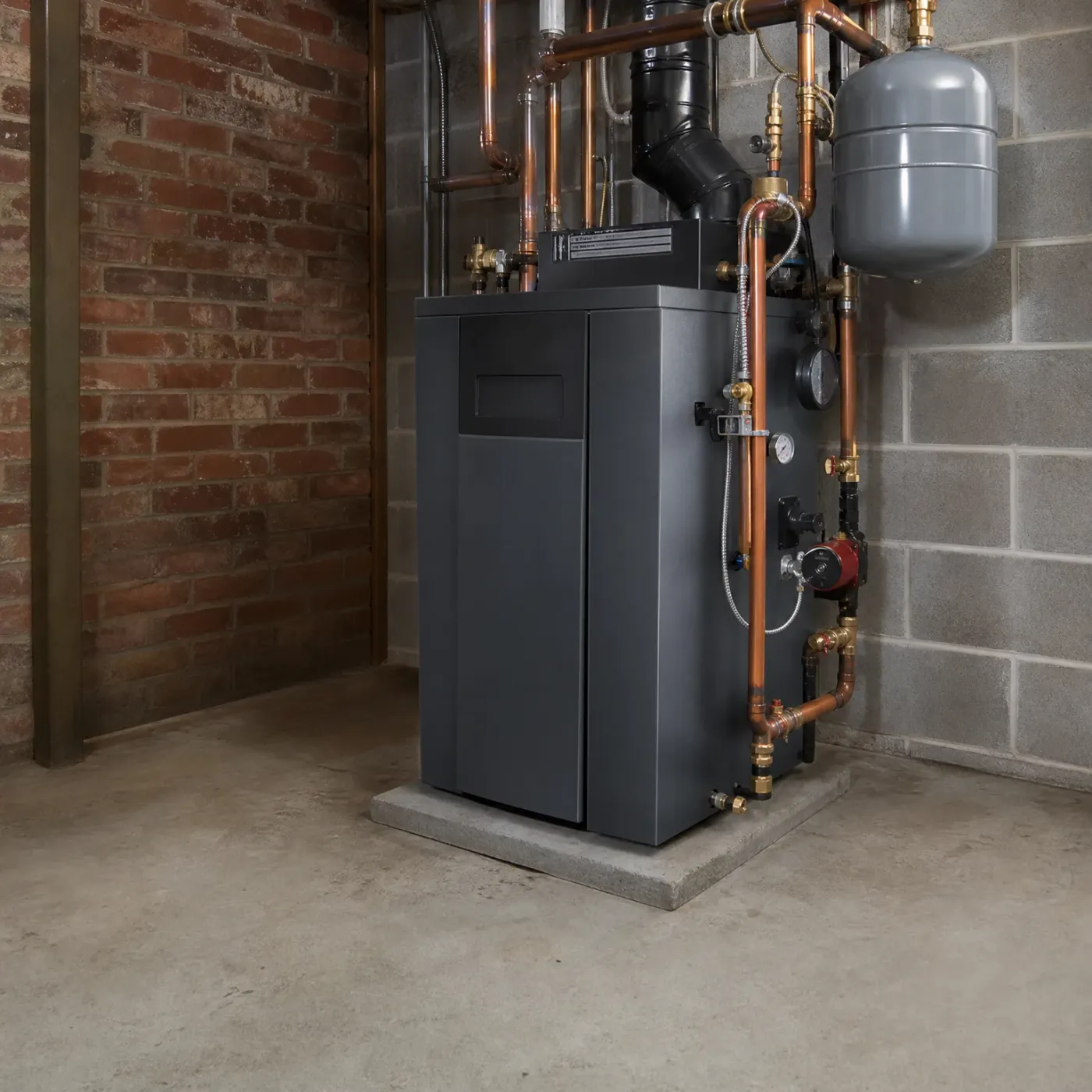
A boiler like this holds steady pressure, lights on the first call, and vents exhaust cleanly through the pipe behind it. Gauges stay in range and the burner runs a full cycle without tripping. This is what a tech is working to get yours back to.
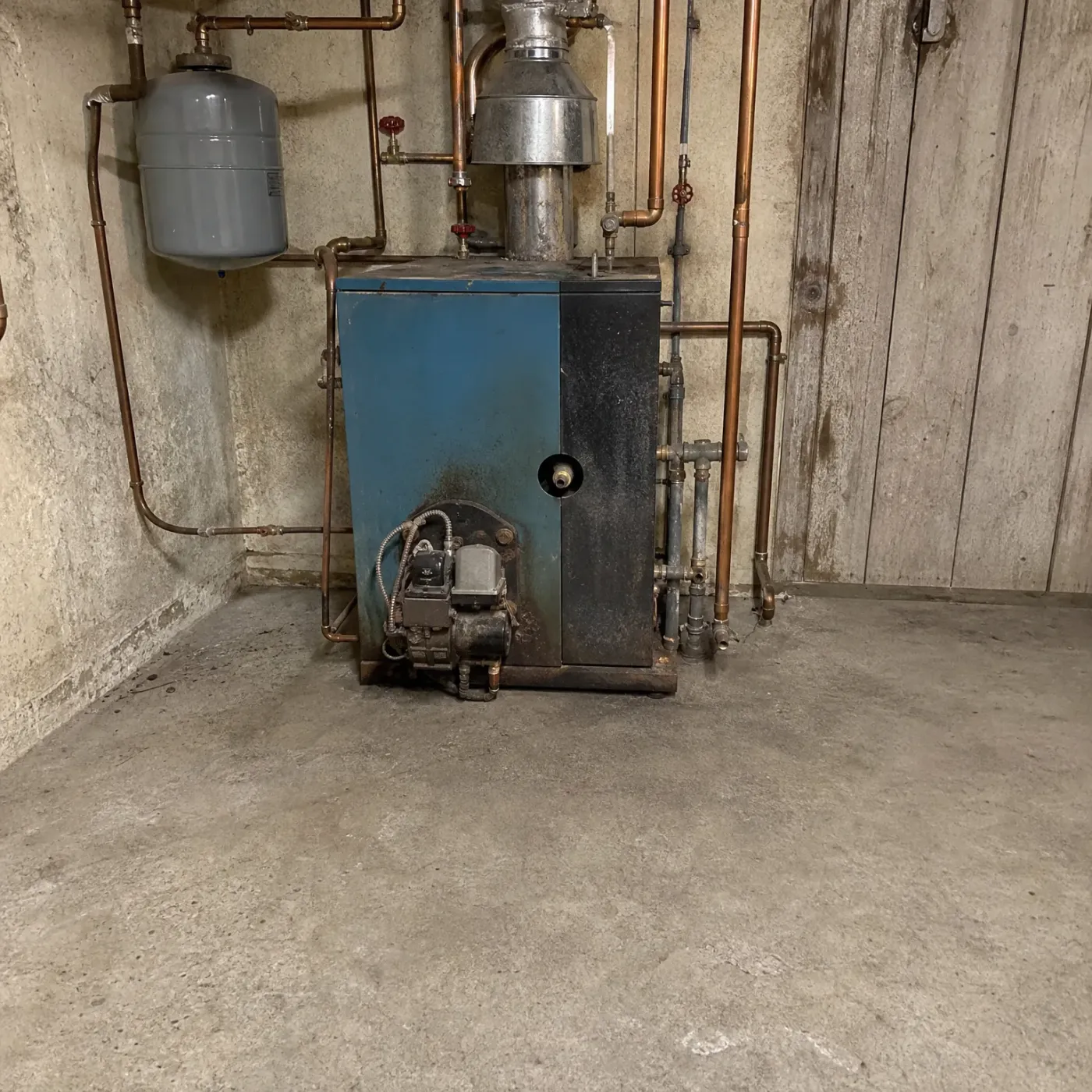
An older boiler like this one has had more years for scale to build in the lines and for a pressure switch or igniter to wear out. A unit this age is more likely to be the one shutting off, and a tech who works on boilers all winter in Kansas has seen why.
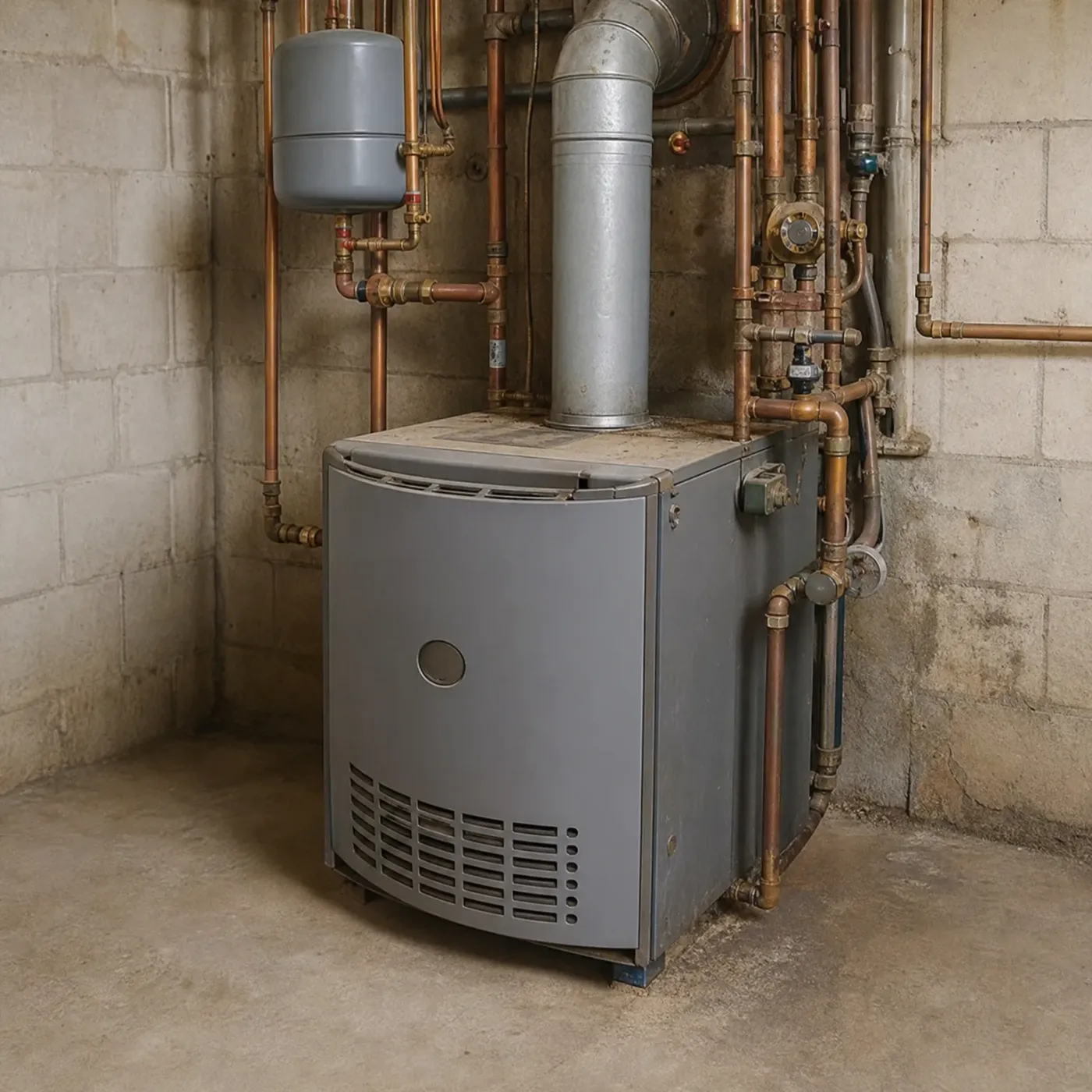


Only one pro gets your request, so you hear from one company.
You're not committing to anything by asking.
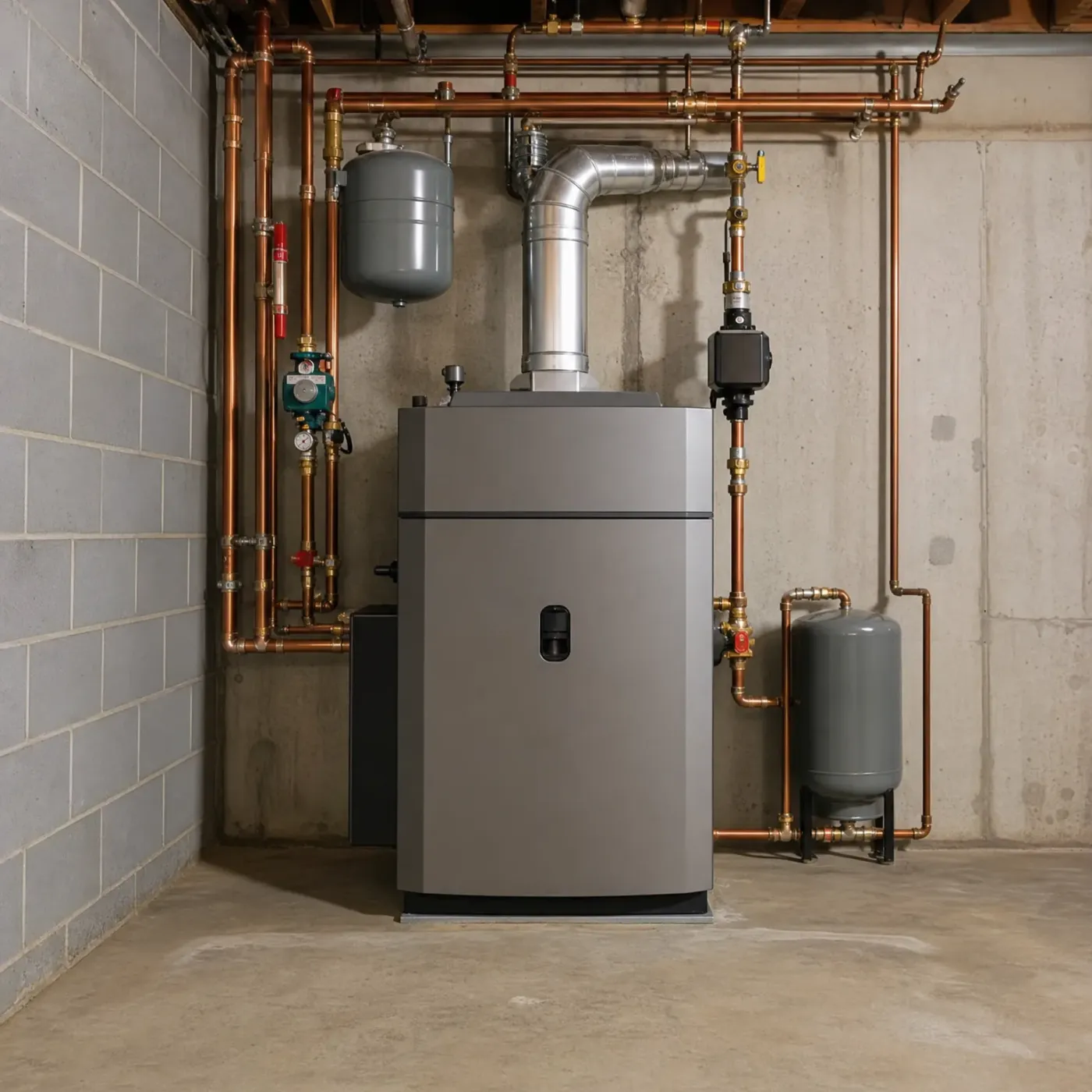
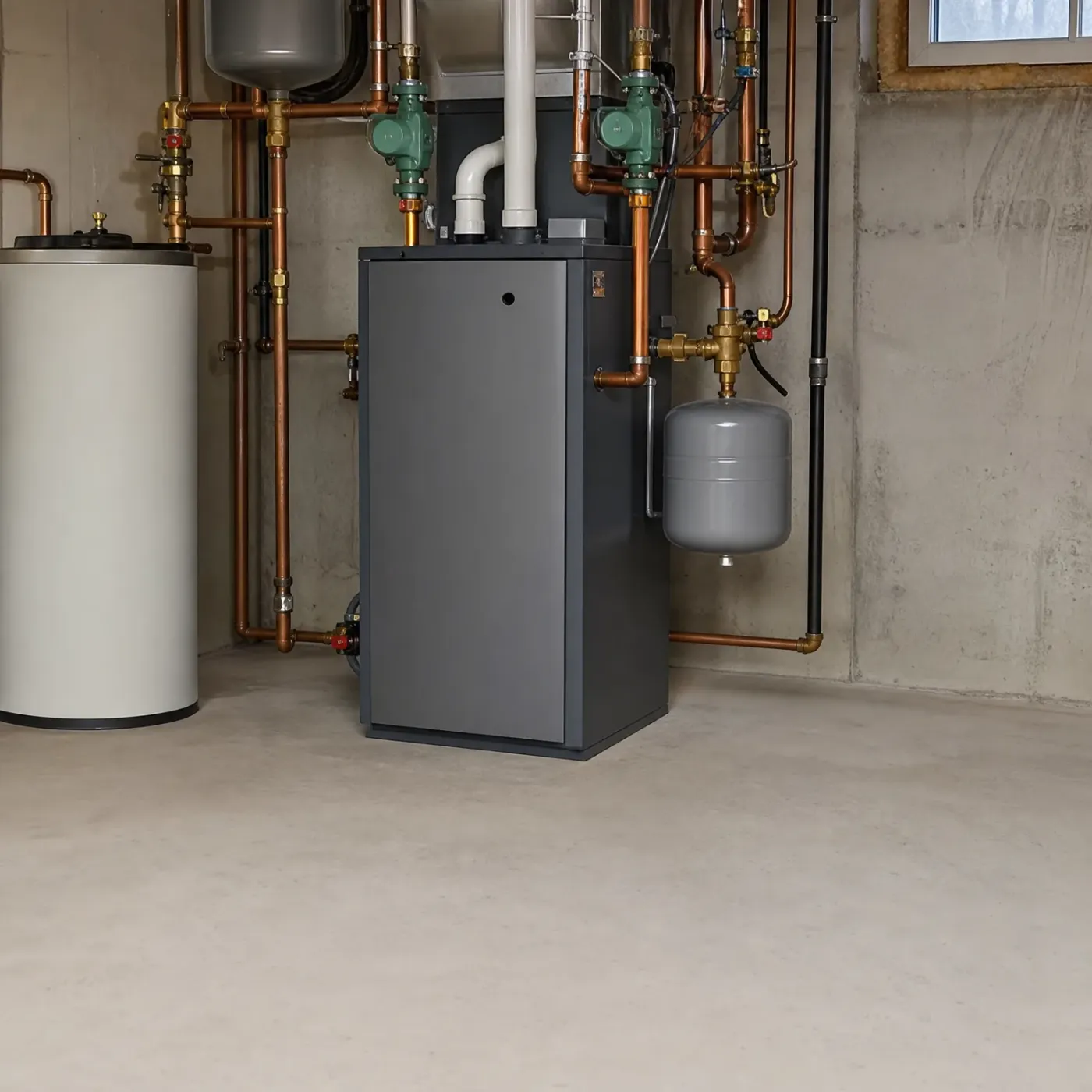
Pressure sits in range, the burner catches on the first try, and the expansion tanks are doing their job absorbing the swings as water heats. Gauges stay put through a full cycle. Copper lines like these carry hot water to the radiators without a fight, and nothing trips.
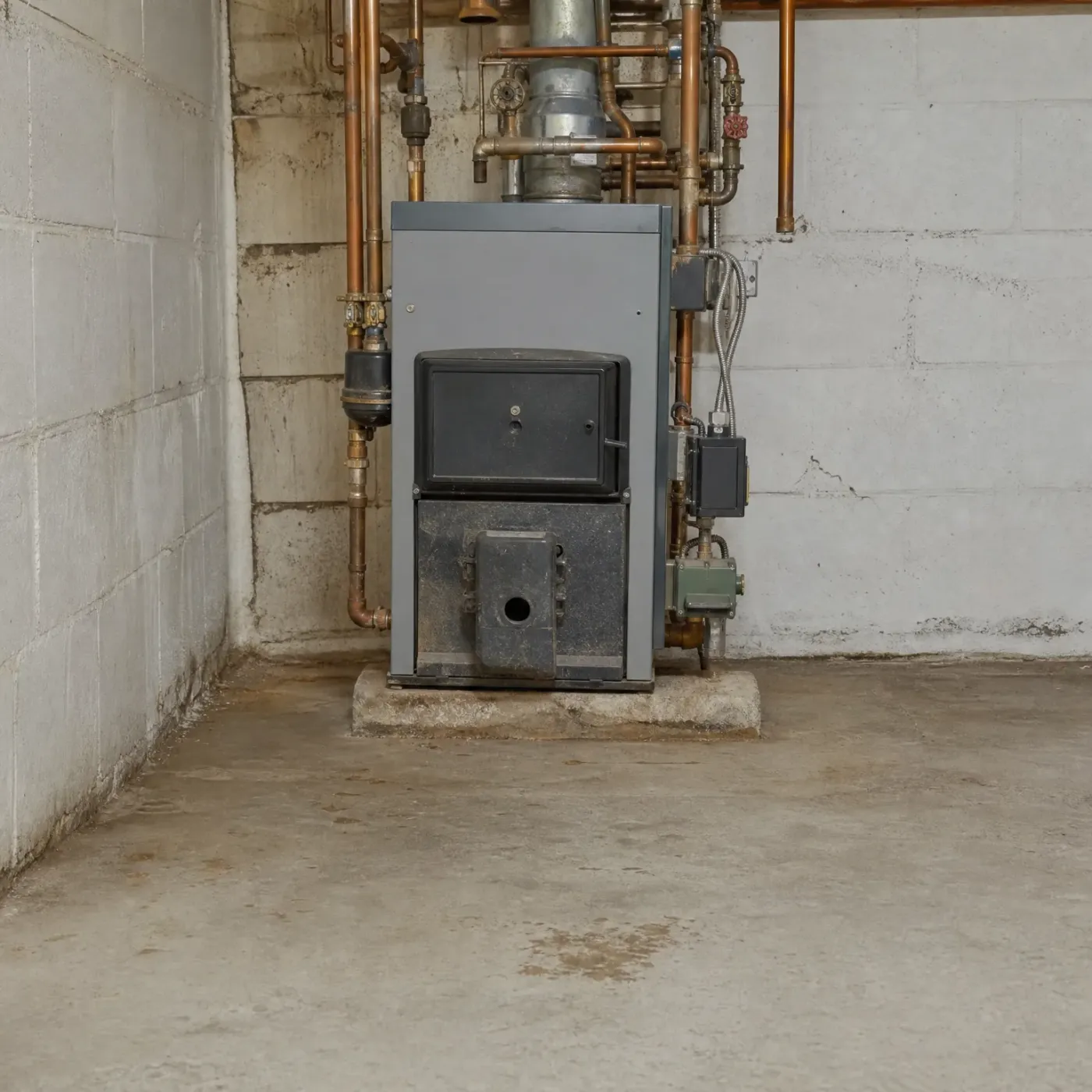
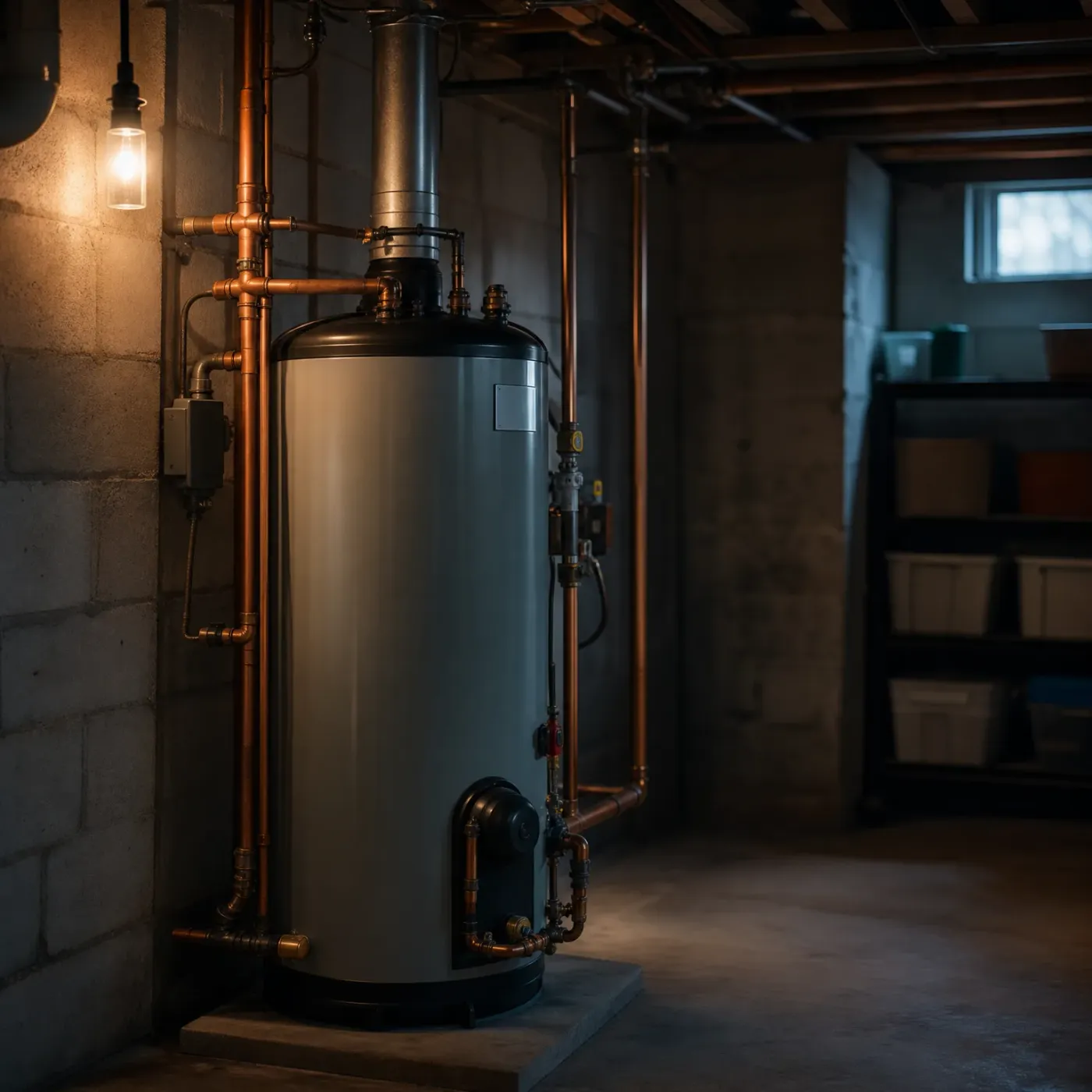
This one's on a raised pad because basements flood, and that flue running to the control box is often where the trouble starts. Galvanized venting corrodes over years and the draft gets weaker. A boiler this age shuts off more often, and a Kansas tech who sees these setups every winter knows where to look first.
At 23°F, your boiler is running long cycles most of the night, every night, from December through February. That's more hours for a weak pressure switch or a fouled flame sensor to show itself. If it's going to trip, cold nights are when you'll see it.
NOAA nClimDiv 1991-2020 county normals weighted by homes
Most of the time, a boiler that keeps shutting off is doing exactly what it's built to do. Low pressure, a flame sensor that can't see the flame, or a pressure switch that isn't satisfied, it trips rather than run unsafe. The gauge and the flue tell you which one. A cold snap doesn't cause the problem, but it will expose it, since longer cycles give a marginal part more chances to fail partway through.
What happens next depends on how often it trips. Once, and a relight on its own, that's worth watching for a few days. Several times in a day, or no relight at all, that's the safety switch catching something real, and it's not something to wait out through another cold night.
A tech who works on boilers through a Kansas winter has likely seen this same pressure switch or flame sensor fail on the call before yours. That's not a guess about your unit specifically, it's what the job looks like this time of year. When you're matched with a contractor, it's one licensed, local tech who gets the full picture the first time, not three different companies hearing a partial version of it on three different calls.
Once pressure holds steady, the flame sensor reads clean, and the flue is venting the way it should, the boiler runs a full cycle without tripping. That's the point all of this is working toward.

A local pro for your boiler repair




