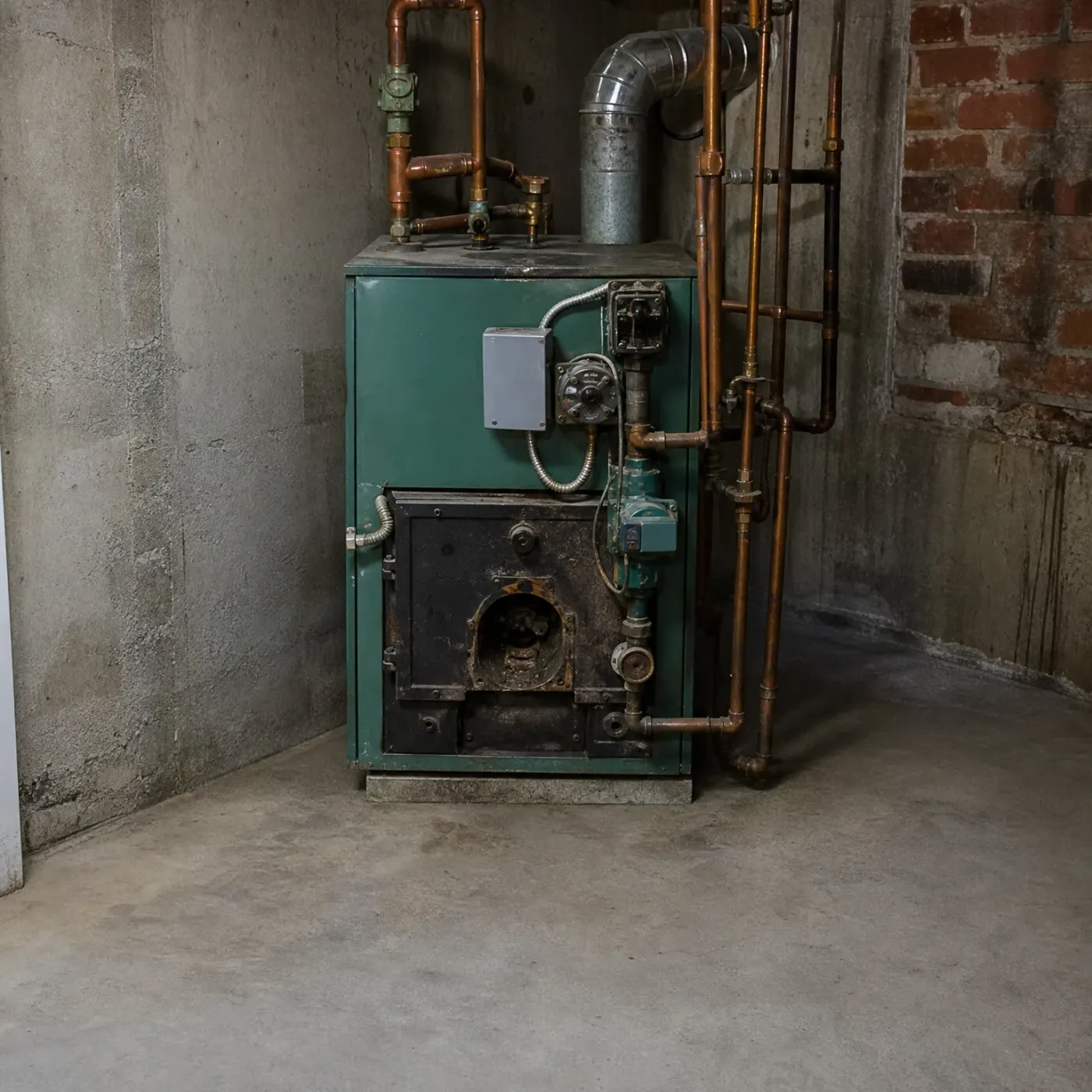
Running the way it should
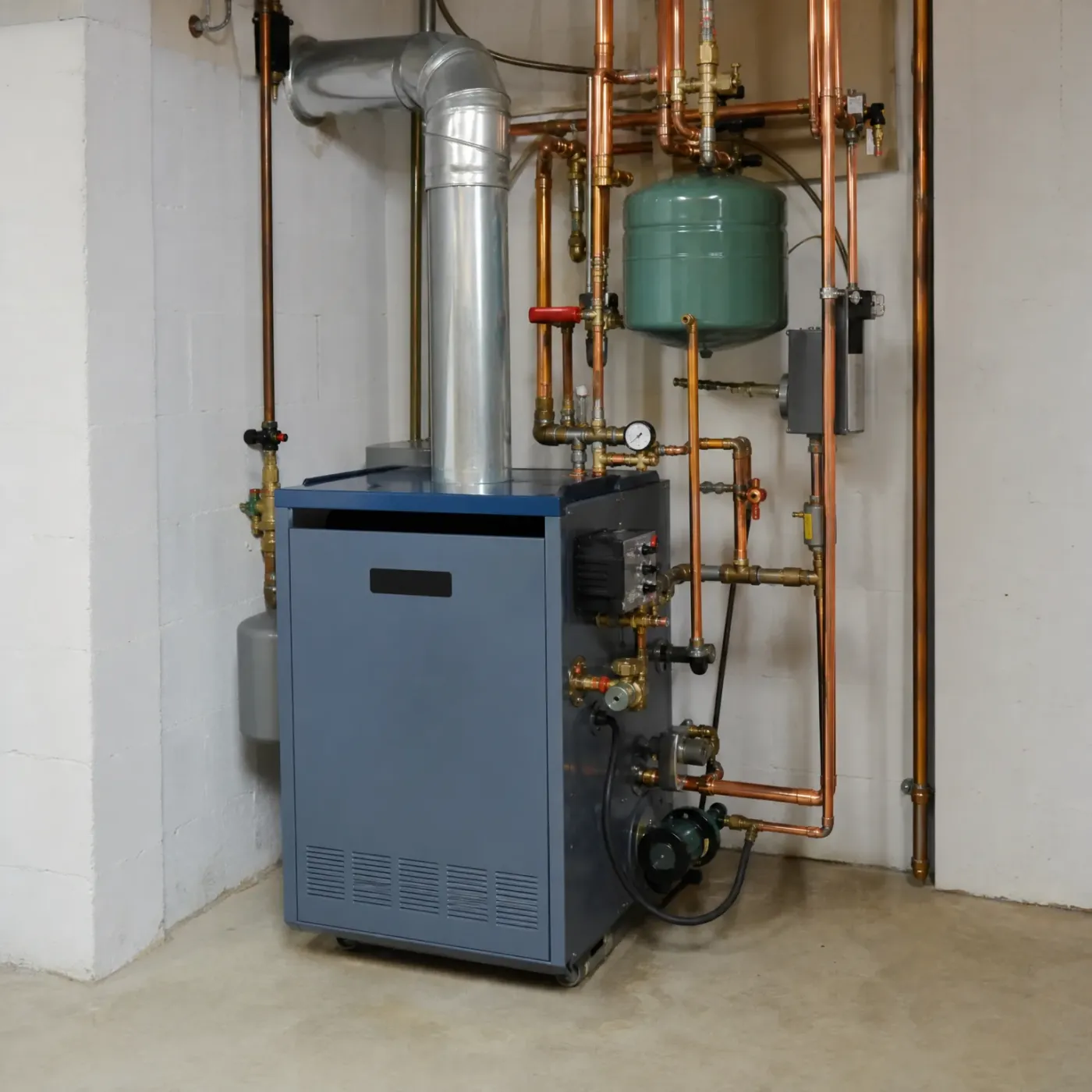
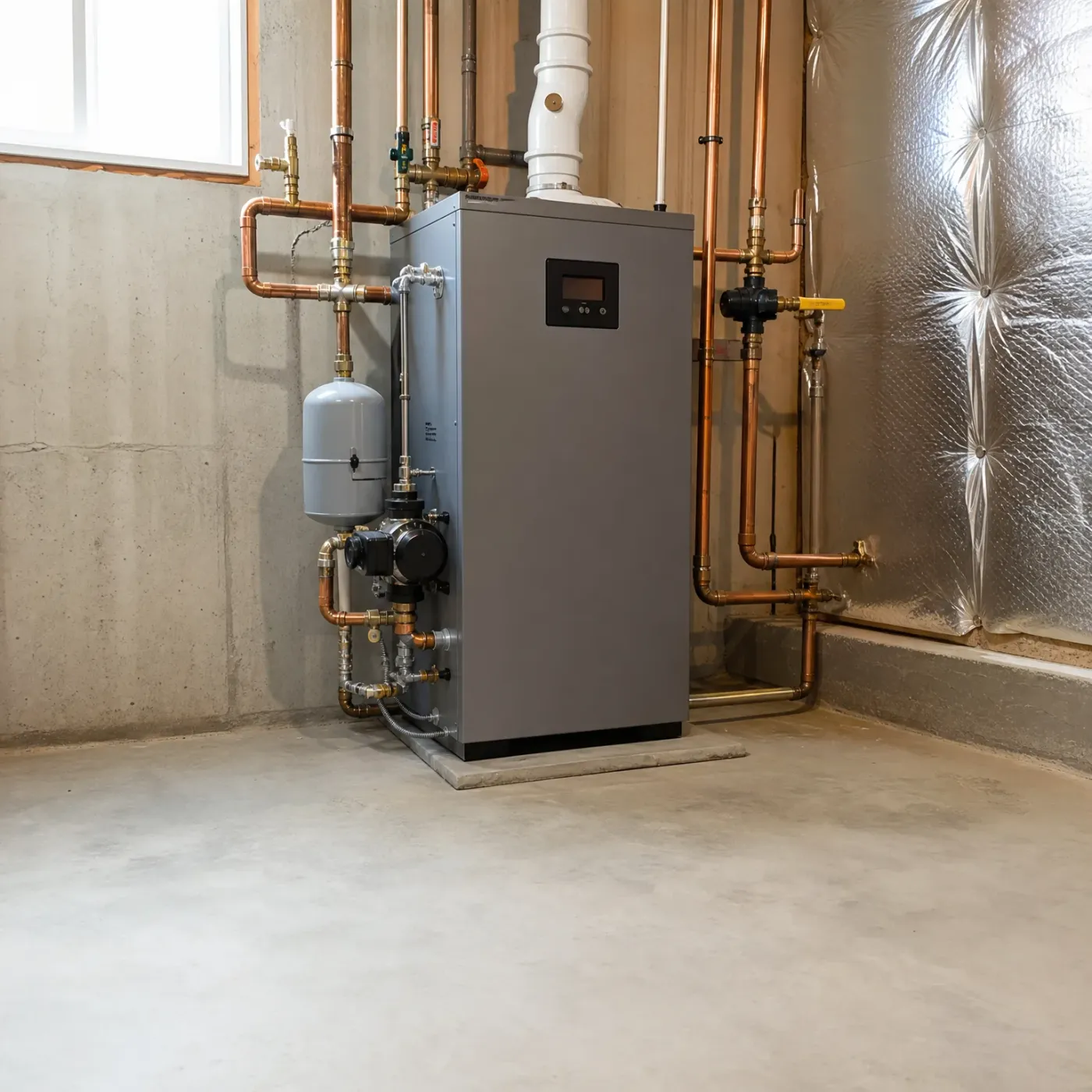
This one sits clean on its pad, copper lines tight and the pump quiet. The burner lights, the tank comes up to temperature, and it holds there through a full shower without the aquastat cutting it short.
The right pro for this job
A boiler that runs out of hot water partway through a shower usually comes down to a handful of causes, from a failing aquastat to sediment sitting in the tank. This page walks through what's likely going on with yours and what it takes to fix it. Once you send the form, finding the right contractor in Kansas is off your plate.
Get matchedA boiler that runs out of hot water is almost always a heating problem, not a volume problem. The burner or the aquastat isn't keeping the water in the tank hot enough, or it isn't keeping up with how fast the house is pulling hot water out. Sediment settled at the bottom of the tank can sit between the burner and the water, so the flame is running but the water above it stays cool. A failing aquastat can tell the burner to shut off too soon, so the tank never gets back up to temperature between draws. In a Kansas home running gas heat, this shows up most in winter, when the boiler is already working to heat the house and has less left over to keep the tank hot too. Either way, the fix is mechanical. It isn't something a bigger water heater setting solves on its own.
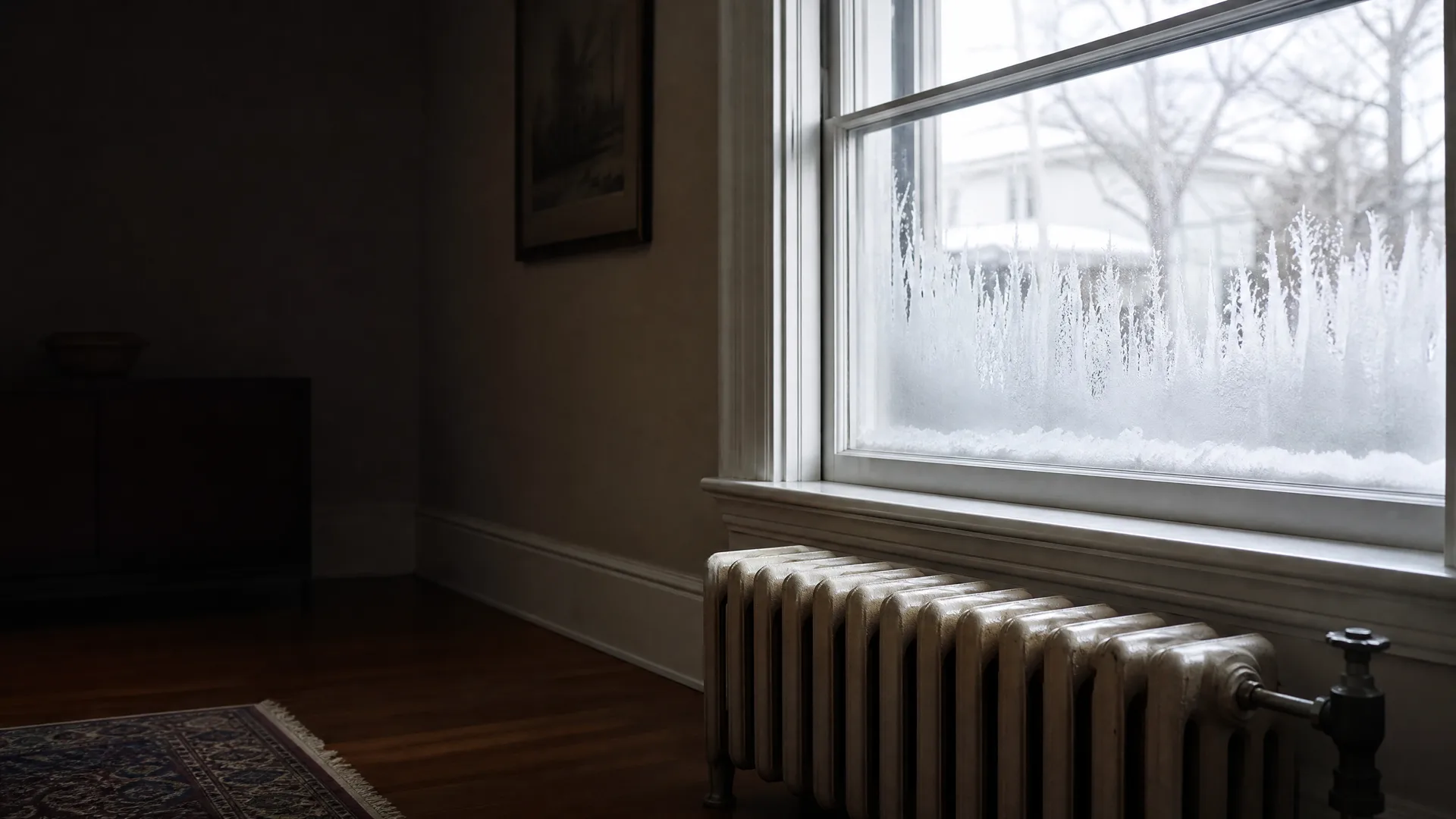
You're up before the sun, and the living room window has gone white with ice on the inside of the glass. The radiator under it ticks as it heats, but the room still holds the cold from the night. You came down to shower before work, and partway through, the water turns lukewarm, then cold. You stand there a second, waiting for it to come back, the way it usually does. It doesn't. Outside, the Kansas morning is the kind that keeps the ground frozen till noon. You shut the water off and stand in the cold bathroom, already thinking about the radiator, the ice on the glass, and whether the two are connected.
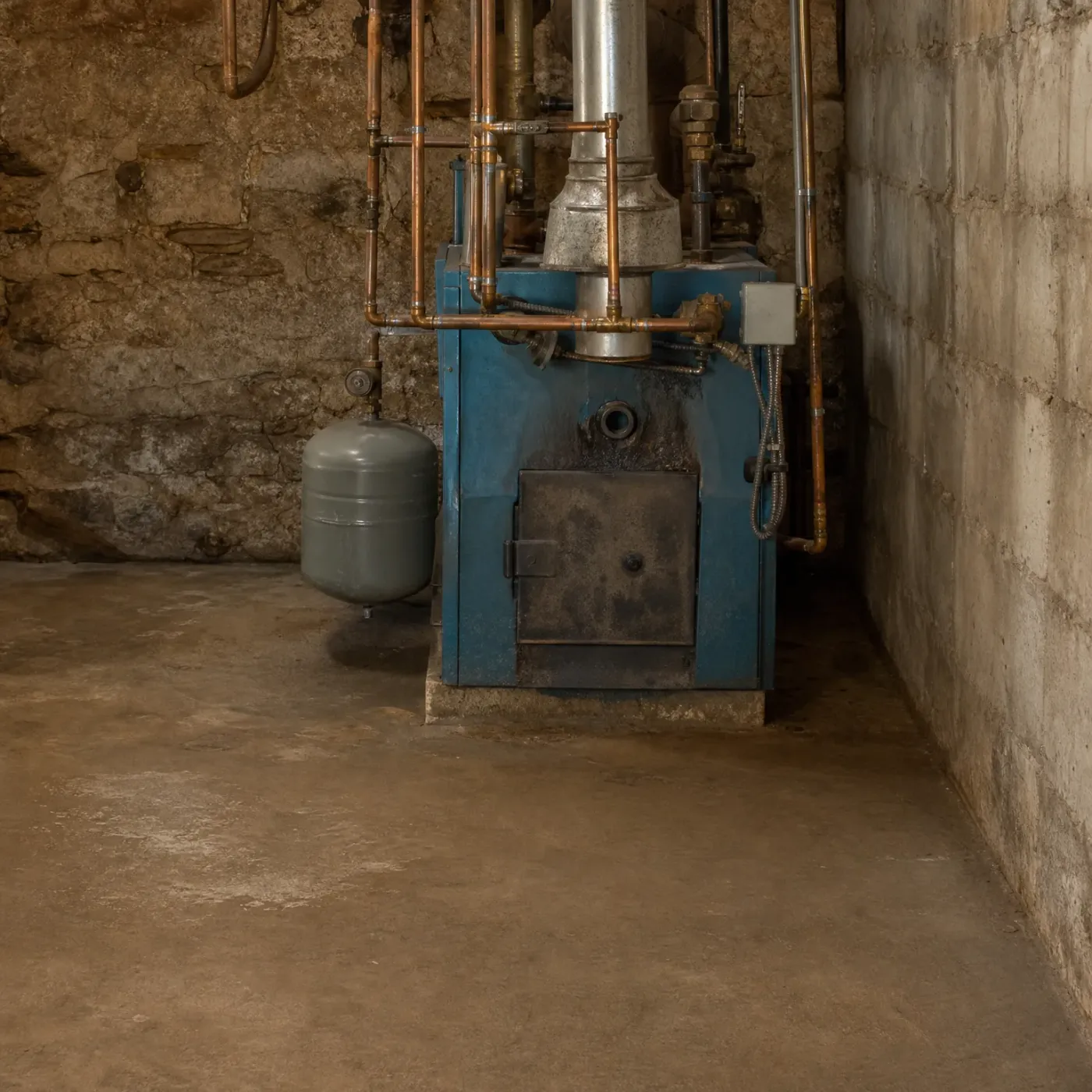
Every part of this runs through the aquastat first. It's the sensor that tells the burner when to fire and when to stop, reading the water temperature against a setpoint. If it's stuck or reading wrong, the burner shuts off while the tank still has cold water sitting in it, and you feel that at the showerhead before you'd expect to. Sediment works against the system a different way. It settles to the bottom of the tank, right where the burner fires, and sits between the flame and the water above it. The burner still runs, still uses gas, but more of that heat goes into warming sediment than water. A heat exchanger coated in mineral scale has the same problem from a different angle, slowing down how fast heat moves from the flame into the tank even when the burner's working fine. Then there's recovery. Every time hot water gets pulled out, the burner has to cycle back on and bring the tank back up to temperature before the next draw. A clean, properly firing burner does this quickly. One that's dirty or underpowered takes longer, and if a thermocouple or flame sensor is failing, the burner can cut out early and never finish the job. A tank sized for the house's original setup can also fall behind if what the house needs from it has grown since then. None of these show up the same way twice, which is why the right fix depends on knowing which one is actually happening in your boiler.




A boiler that's losing the fight with an aquastat or a few inches of sediment doesn't fix itself, and running the shower a little shorter every day is not a repair. Someone has to open the tank, check the burner's flame, and find out whether the problem is a part that's failed or buildup that's been there for years. That's a job for a licensed plumber or heating tech, not a guess from the internet. Kansas winters put real demand on a boiler, cold mornings, a full house wanting hot water back to back, and a system that's already struggling to recover has less room to keep up. Get matched with a contractor who works on boilers like yours, and let them tell you what's actually wrong before it gets worse or the tank fails outright. You've already read what's probably going on. The next step is having someone confirm it and fix it.
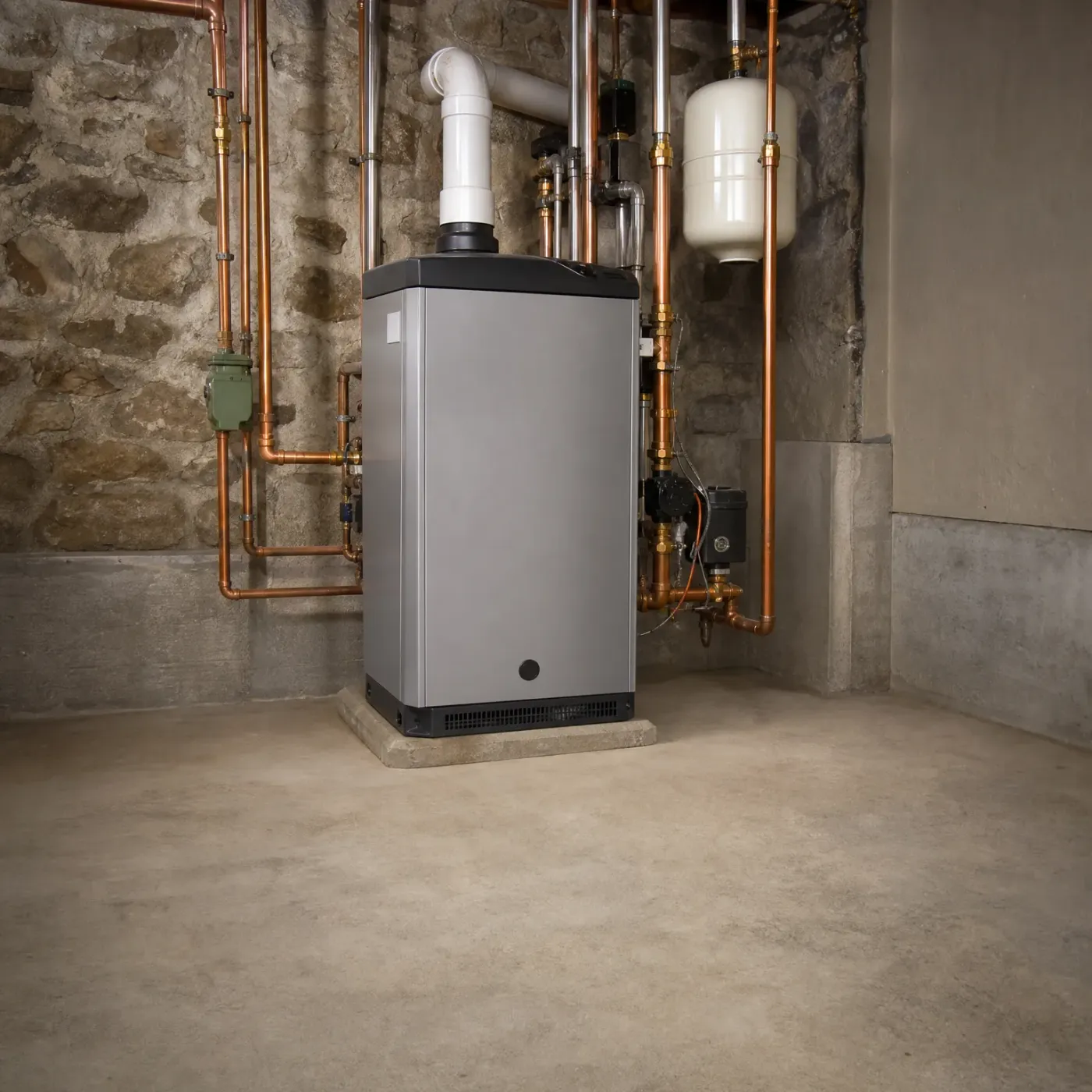
This one sits clean on its pad, copper lines tight and the pump quiet. The burner lights, the tank comes up to temperature, and it holds there through a full shower without the aquastat cutting it short.
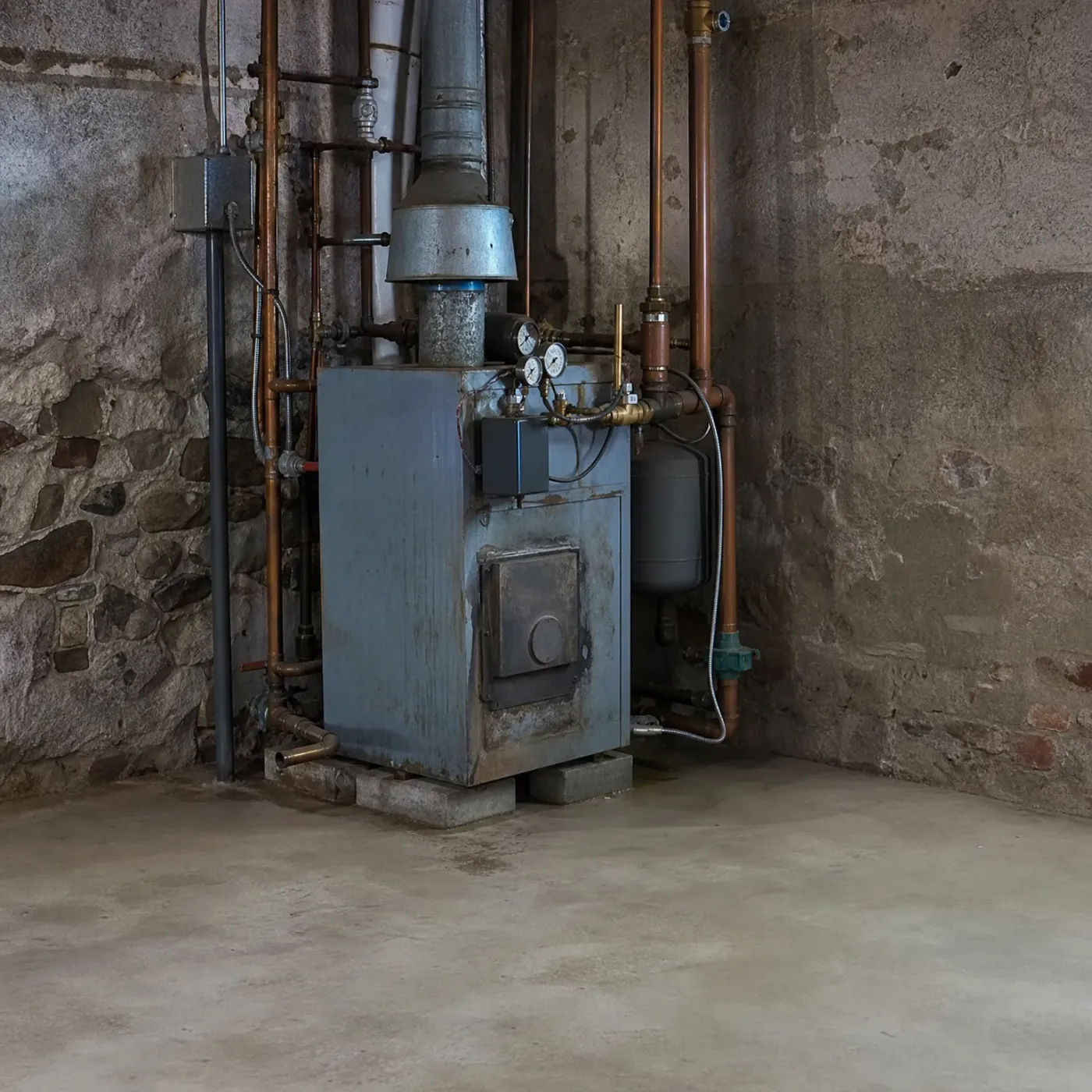
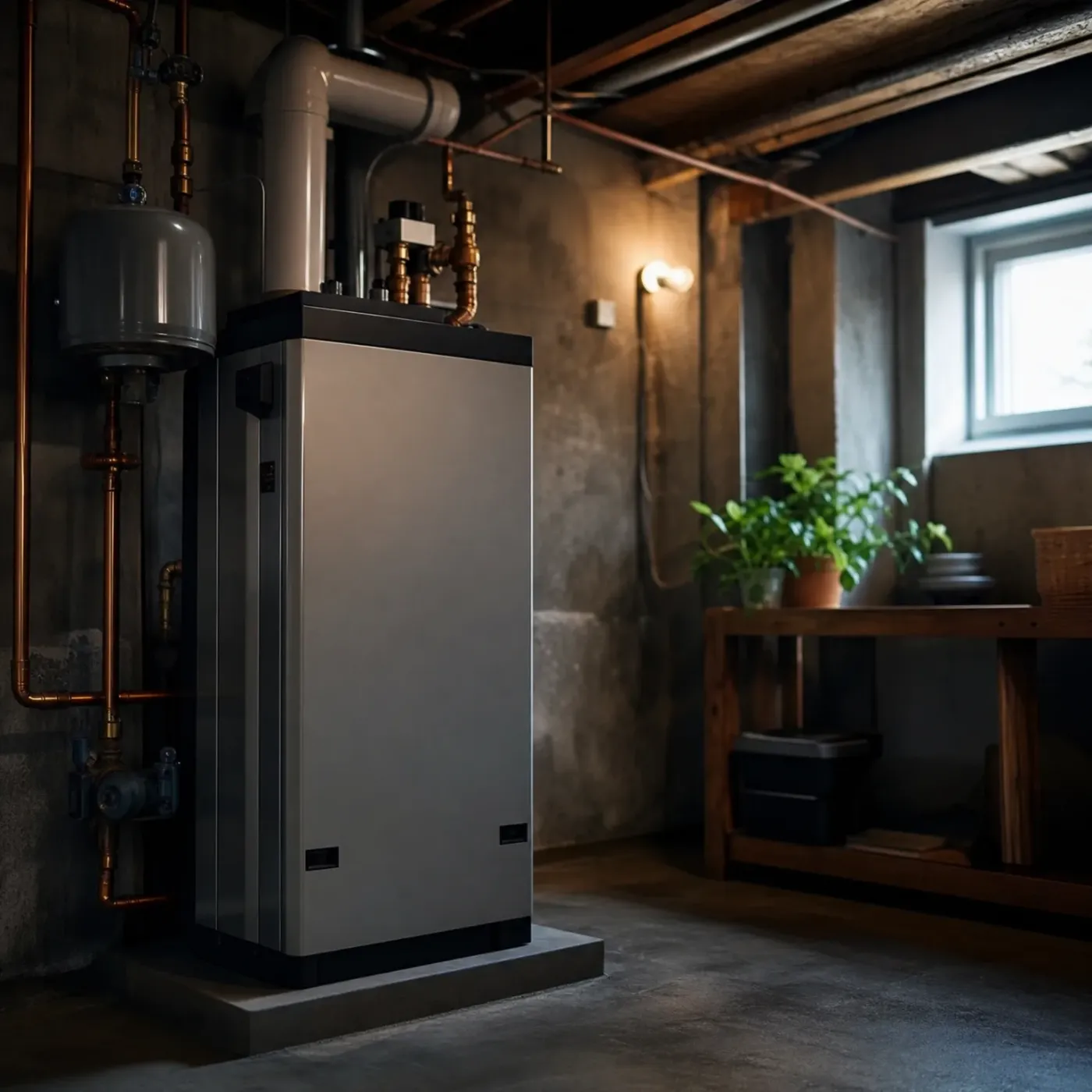
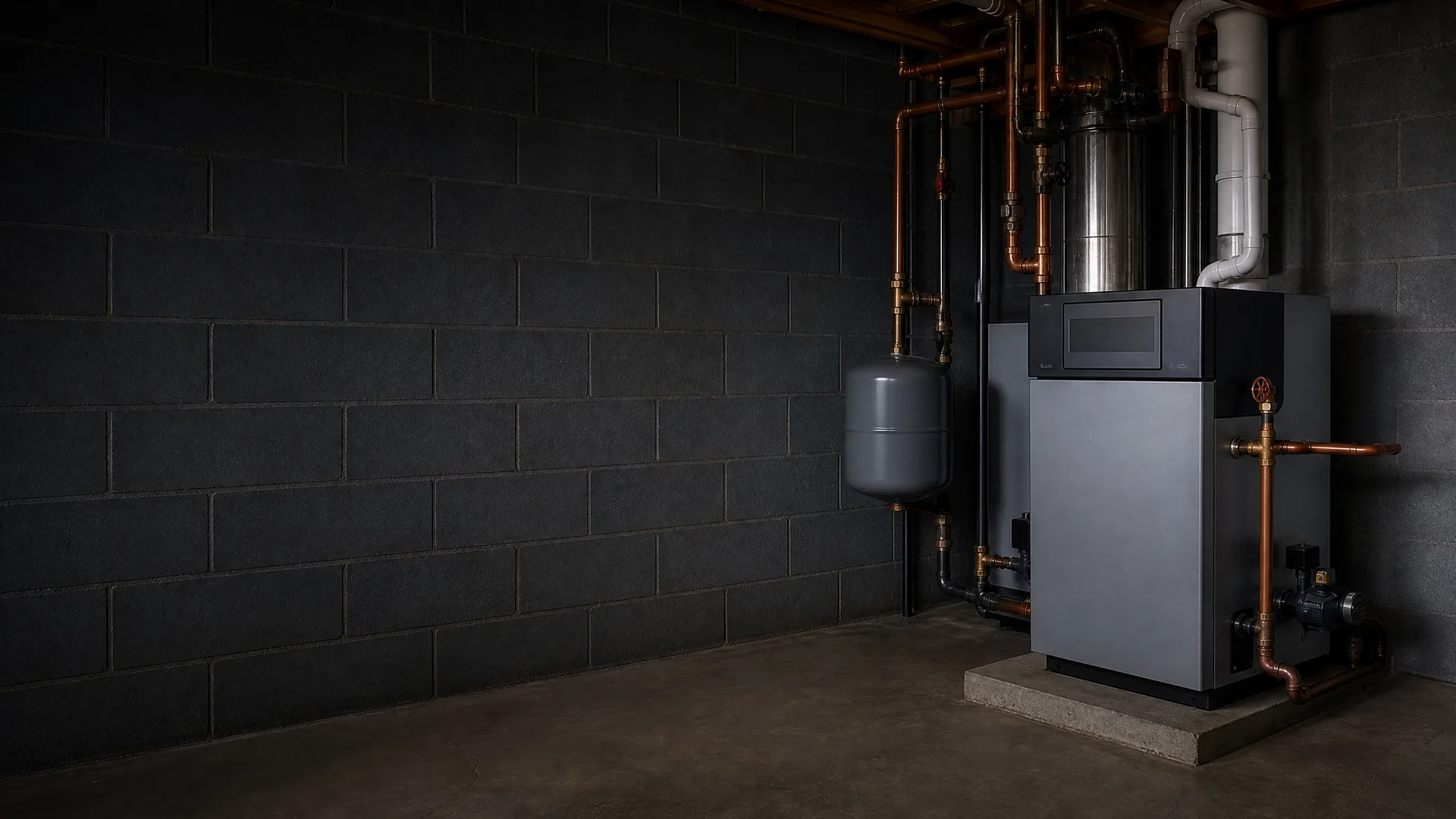
Cast iron like this holds heat longer once it gets there, but it takes longer to recover between draws. If the flue's choked or the burner's weak, the tank never fully catches up, and the last few minutes of hot water are the first thing to go.
Why does my hot water run out faster in winter?
The boiler isn't pulling water from a warm basement main in January the way it might in July. Groundwater temperature drops in winter, so the water entering the tank starts out colder and the burner has more work to do to bring it up to temperature. If the burner's already struggling, through a dirty flame sensor, a weak aquastat, or sediment sitting between the flame and the water, that extra distance is what turns a problem you could ignore in summer into a shower that goes cold in January. The tank hasn't changed. What it's being asked to heat has.
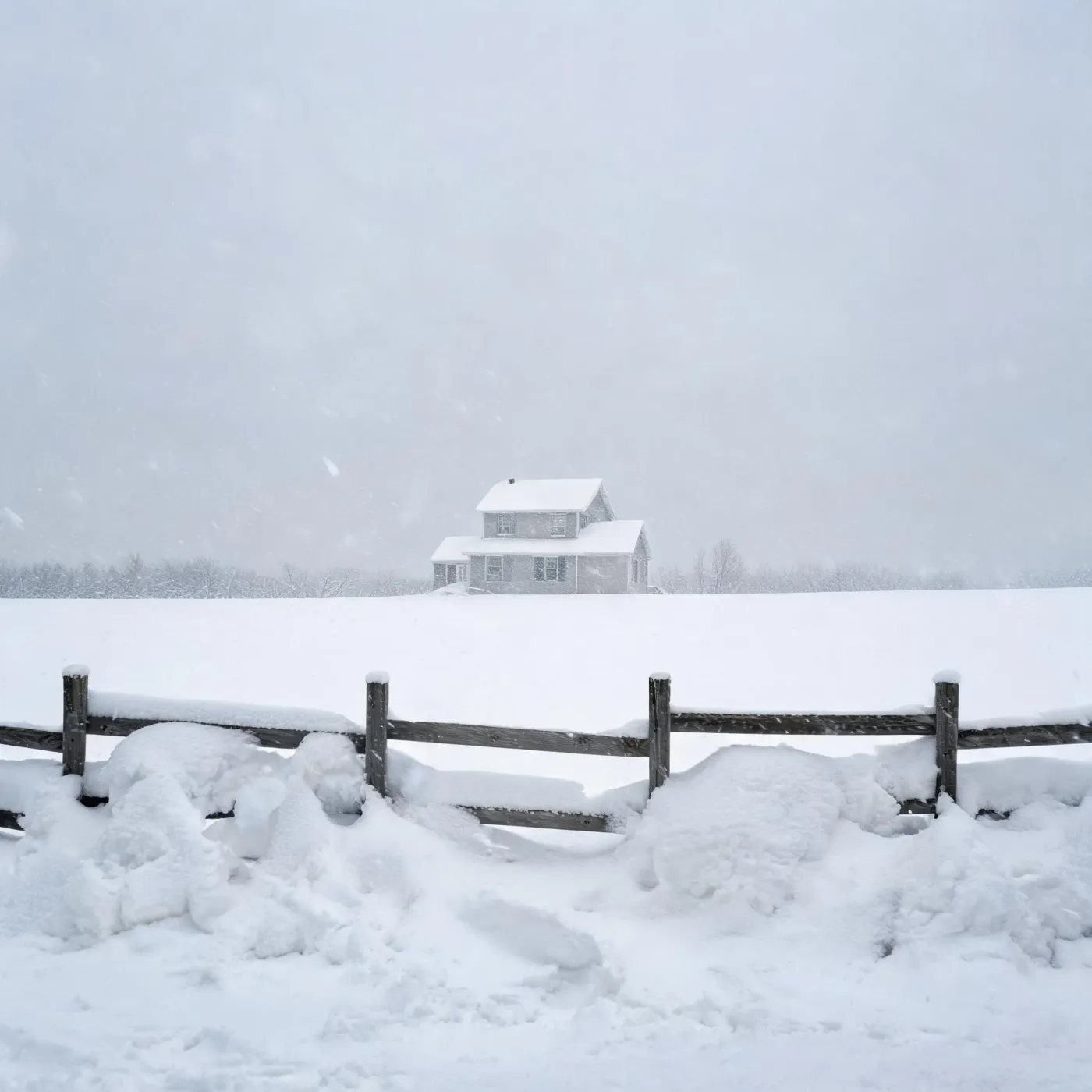
Statewide, winter nights average 23°F, and that cold reaches the water main long before it reaches your tap. Your boiler isn't just heating water anymore, it's heating water that started out much colder than it does in July. The burner runs longer to hit the same setpoint, and if the aquastat is slow to respond or sediment is holding heat away from the water, the tank falls behind faster on a 23 degree night than it ever would in October. That's when you notice the shower turning cool sooner than it used to, and it keeps happening every cold night until the burner or the tank gets looked at.
NOAA nClimDiv 1991-2020 county normals weighted by homes
You notice it most on a January morning. The water's hot for a few minutes, then it fades to lukewarm while you're still rinsing. The burner might be running longer than it used to, or cycling on and off instead of holding steady. Some households have started staggering showers, running the dishwasher at night, spacing things out so nobody gets caught at the end of the line. That's not a fix, it's a workaround, and it means the tank is falling further behind each week. Left alone, a boiler that can't keep up tends to get worse, not better, and the burner working harder to make up the difference is wear it doesn't come back from.


At 23°F, the water filling your tank starts out close to that temperature before the burner ever touches it. That's a long way to heat, and a tank already behind on recovery runs out of hot water that much sooner.
NOAA nClimDiv 1991-2020 county normals weighted by homes
Cold water enters the tank from the main and sinks to the bottom.
The aquastat reads the tank temperature and signals the burner to fire.
The burner heats water at the bottom where the coldest water sits.
Heated water rises while the burner keeps firing until the aquastat cuts it.

Whether it's the aquastat cutting the burner off early, sediment sitting between the flame and the water, or a tank that just can't keep up with a Kansas winter main, the cause is something a contractor can find by opening the tank and looking. It isn't random, and it isn't something you fix by showering faster.
Once you send the form, you're done hunting for who to call. A contractor who handles boiler repair gets your details and reaches out to you directly, so the next shower that runs cold isn't a problem you're carrying alone anymore.

Get the boiler repair search off your mind today.