Tell us about the job
Takes about a minute. No obligation.
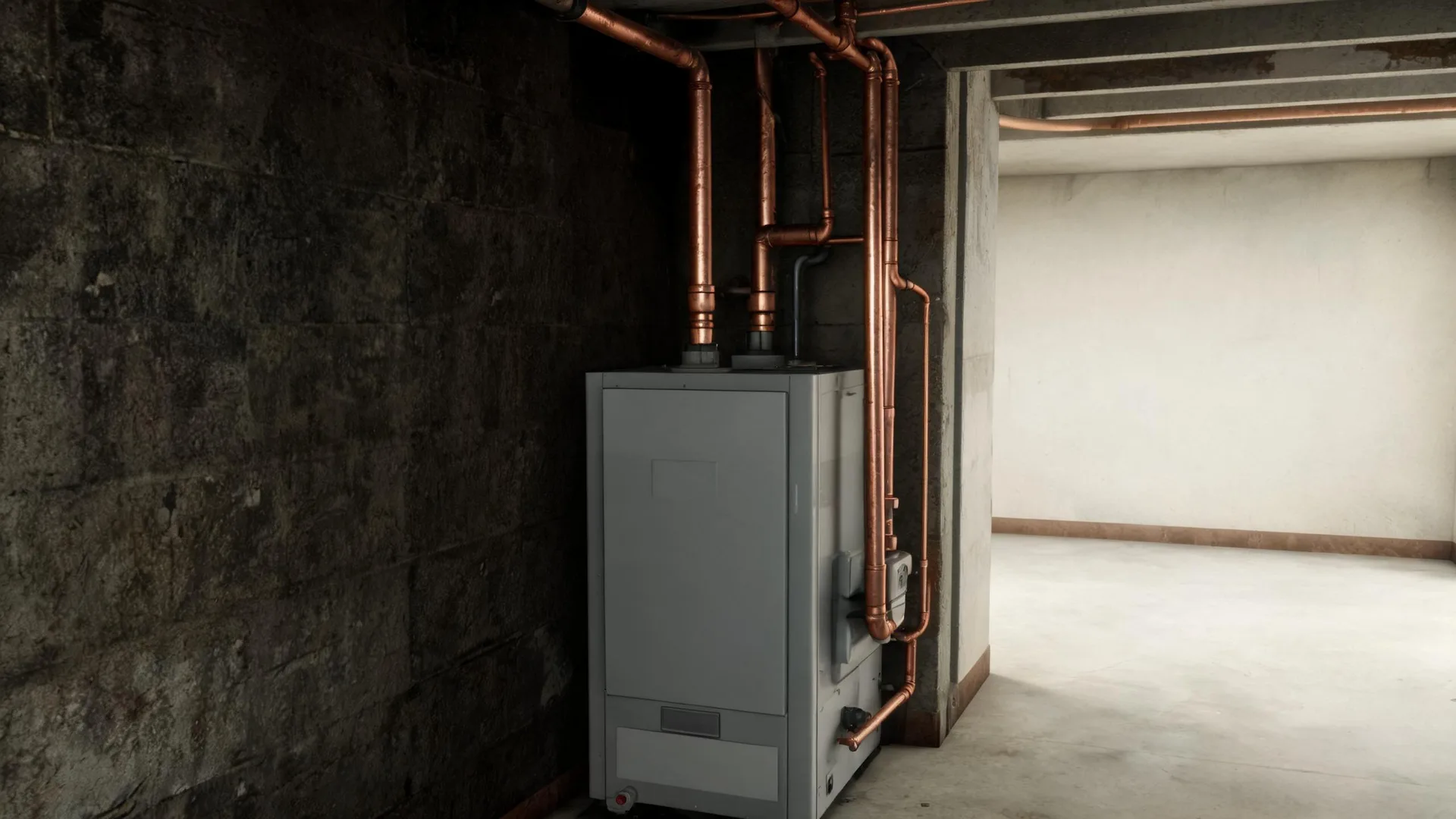
A boiler in Coffey County runs its burner and ignition system hard, season after season, with little idle time to mask developing faults. Homes in Coffey County, KS run heat about seven months a year, from October through April. By the time a homeowner calls for a repair, the heat exchanger and ignition assembly have absorbed years of repeated thermal cycling, and those are the components a contractor checks first. Wear on a burner does not announce itself until a cold morning when the system fails to fire.
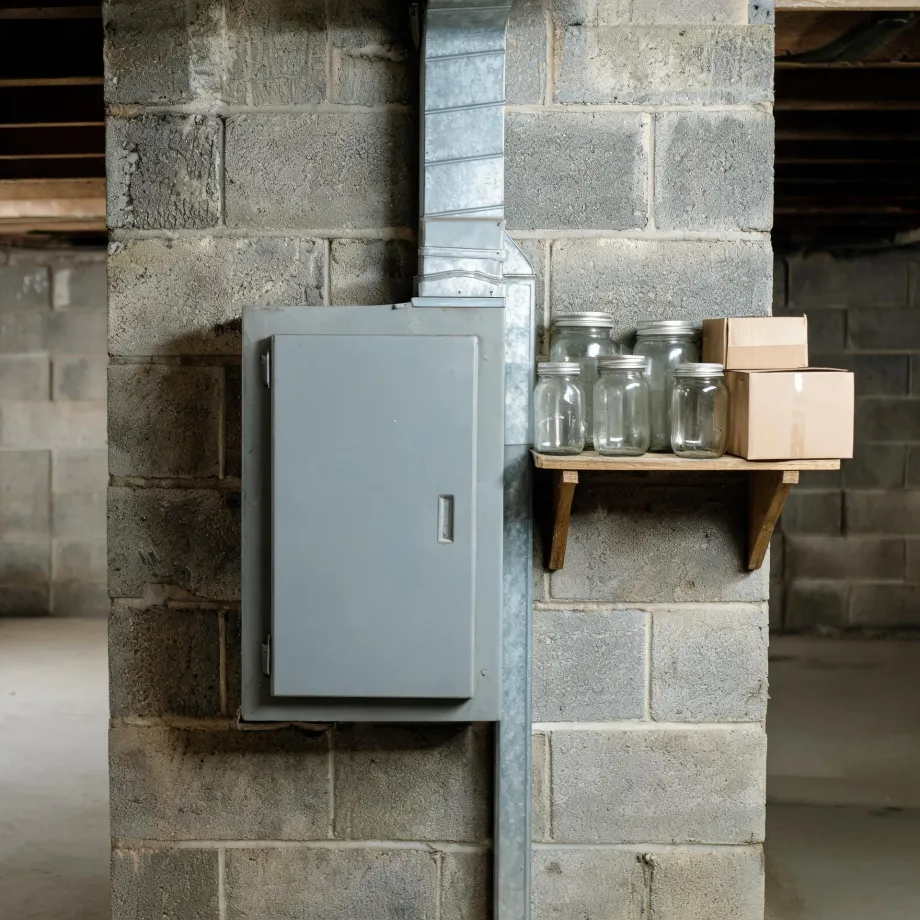
Boilers in Coffey County's older homes have often outlasted the product lines they came from, which means a repair can stall on a heat exchanger section, a gas valve, or a circulator that takes real sourcing work to find. Half the homes in Coffey County, Kansas were built in 1970 or earlier (2020-2024 ACS 5-year). A contractor opening a unit in a house that age is cross-referencing manufacturer histories, not pulling a part number off a current catalog. If the component is still made under an updated specification, it fits or it does not, and that answer changes the scope and price of the job before anything else does.
The Parts of a Boiler a Contractor Checks First
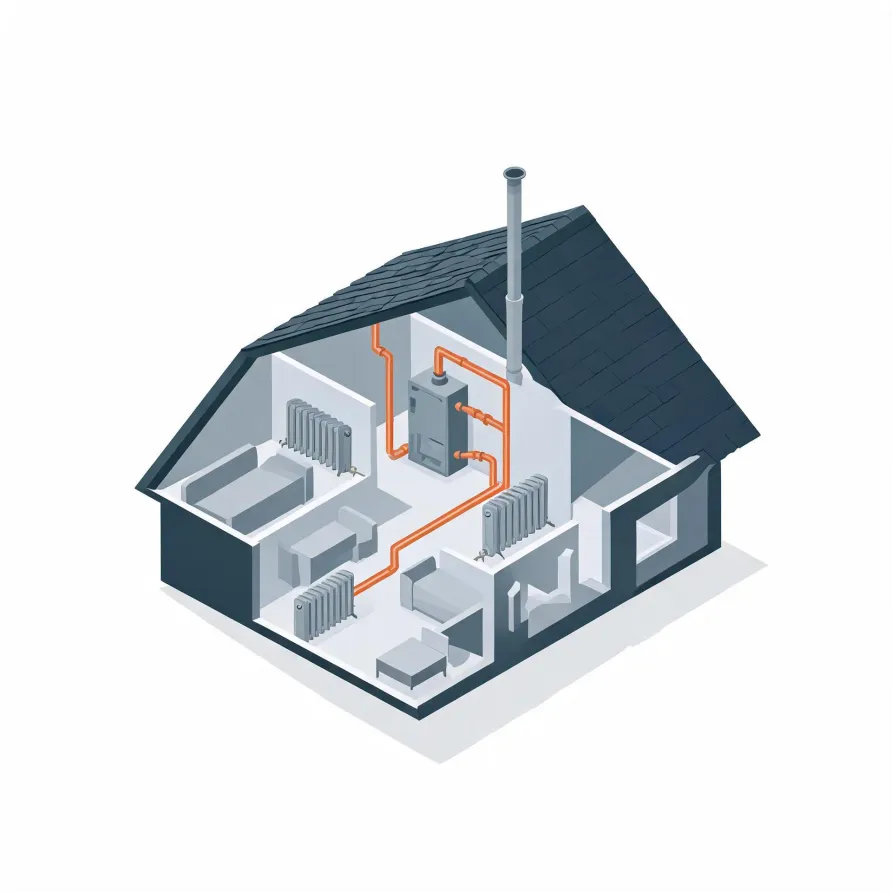
The boiler itself sits in a mechanical room, basement, or utility closet and is the unit that heats water and pushes it through the system. When heat stops reaching a room or stops coming at all, a contractor starts here, checking the burner, the heat exchanger, and the controls that tell the unit when to fire.
From the boiler, pipes carry hot water to radiators or baseboard units positioned along exterior walls and under windows throughout the house. The circulator pump moves water through those pipes, and the expansion tank, usually mounted close to the boiler, keeps pressure in a safe range. Any of these can be the source of uneven heat, noise, or a pressure fault.
The drawing shows a typical boiler layout, and a licensed contractor determines which components apply to your specific system and what repair each one needs.
Find a contractor in Coffey CountyCoffey County, Kansas, by the numbers
115 severe weather events were recorded in Coffey County, Kansas between 2015 and 2024.
NOAA National Centers for Environmental Information, Storm Events Database, bulk CSV export, events 2015-01-01 through 2024-12-31.Half the homes in Coffey County, Kansas were built in 1970 or earlier (2020-2024 ACS 5-year).
U.S. Census Bureau, 2020-2024 American Community Survey 5-Year EstimatesCoffey County, Kansas holds 3,998 housing units (2020-2024 ACS 5-year).
U.S. Census Bureau, 2020-2024 American Community Survey 5-Year EstimatesOwners occupy 75.9% of the occupied homes in Coffey County, Kansas (2020-2024 ACS 5-year).
U.S. Census Bureau, 2020-2024 American Community Survey 5-Year EstimatesSevere Weather Events in Coffey County
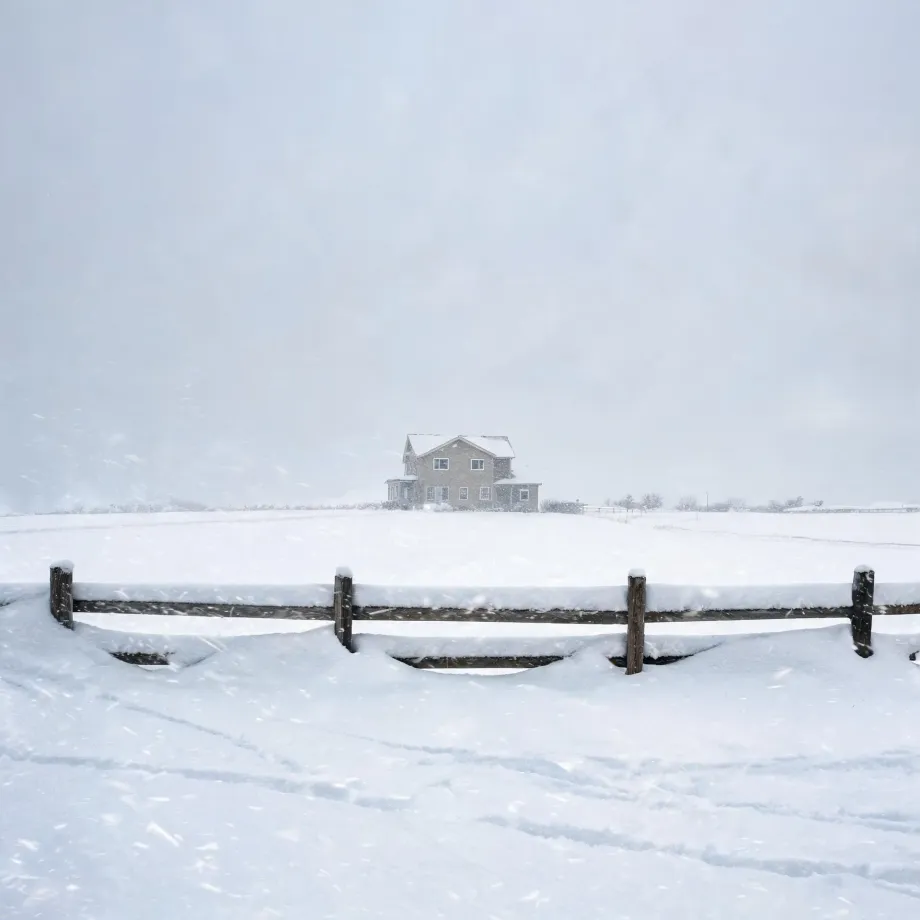
Hard weather puts real stress on boilers, and that stress accumulates over time into worn seals, cracked heat exchangers, and controls that fail at the wrong moment. How much weather a county sees shapes how hard local equipment works, which makes it a direct factor in what repair work looks like here.
115 severe weather events, 2015–2024. Source: NOAA National Centers for Environmental Information, Storm Events Database.