Tell us about the job
Takes about a minute. No obligation.
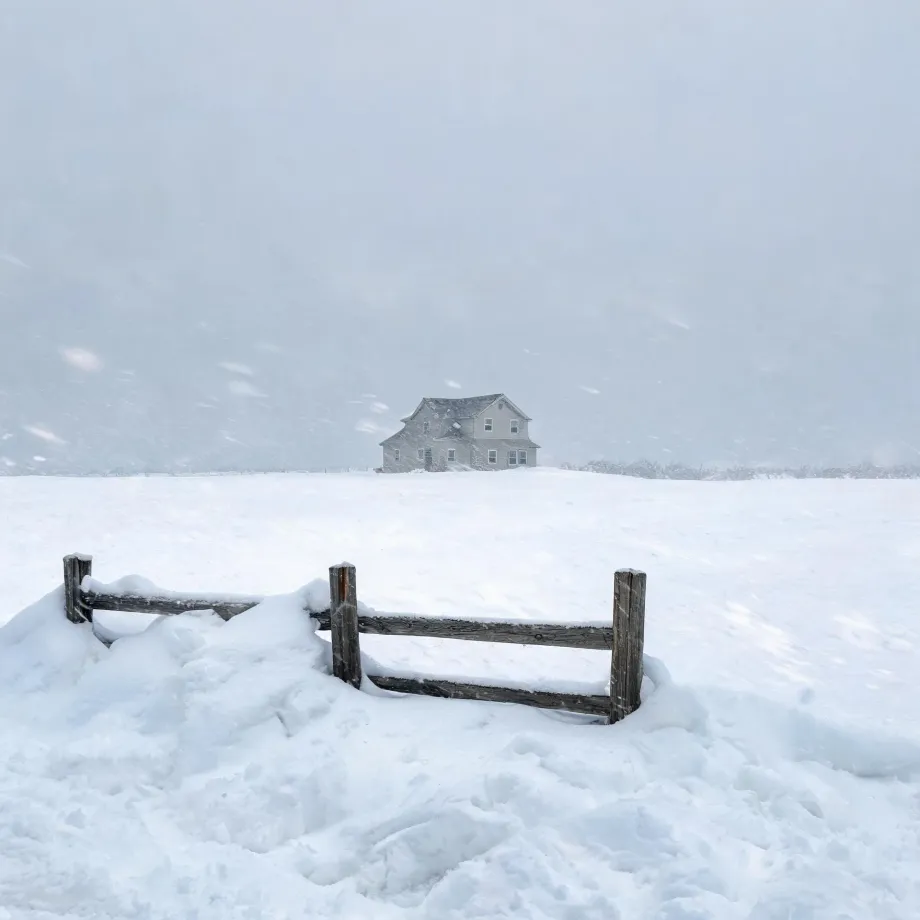
A contractor diagnosing a boiler in Franklin County works out what the burner and ignition system have already been through before quoting any repair. Homes in Franklin County, KS run heat about seven months a year, from October through April. Cycling through that span puts the heat exchanger, the igniter, and the burner assembly through repeated thermal stress, and those are the components a contractor checks first. Seals that look intact on the outside often show fatigue inside after enough cycles. The idle months that follow do not erase that wear.
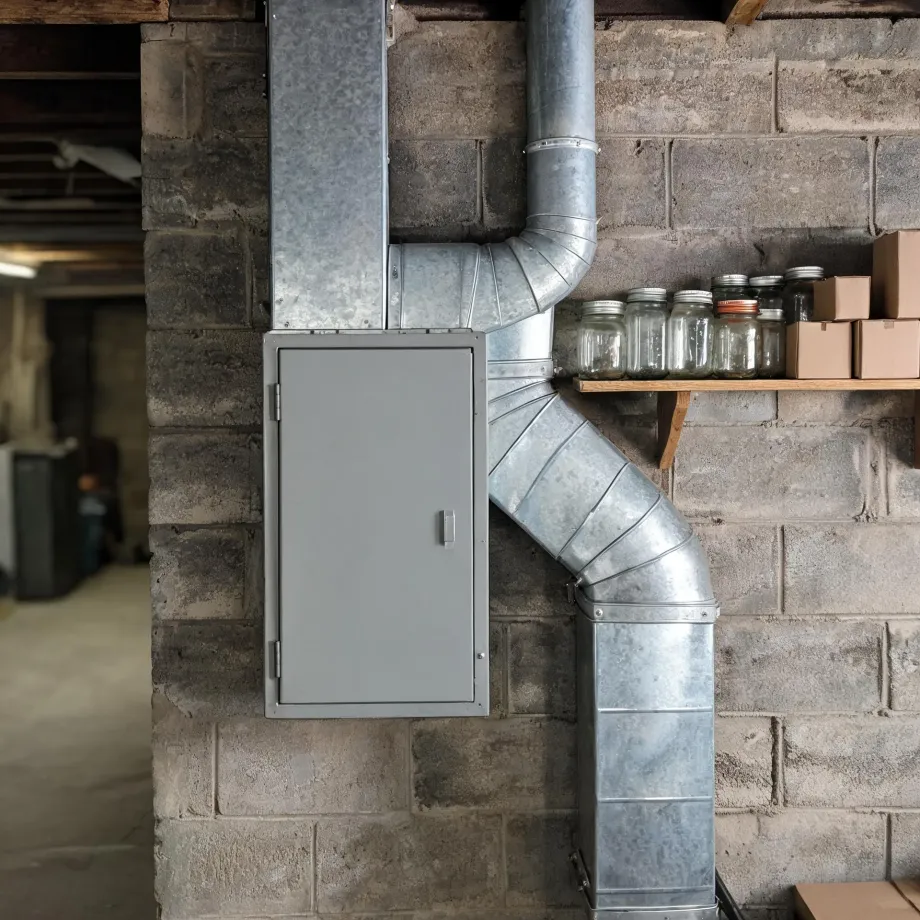
Half the homes in Franklin County, Kansas were built in 1975 or earlier (2020-2024 ACS 5-year). A boiler in a house that age has usually outlasted at least one previous system, and what runs to the radiators or baseboard units now reflects decades of individual fixes rather than a single coherent setup. When a contractor opens a failing boiler here, the repair scope is shaped as much by what the surrounding piping and controls turn out to be as by the unit itself. Parts for systems that have been in place this long can be scarce, and a contractor has to confirm what a given boiler actually takes before pricing the job.
The Parts of a Boiler a Contractor Checks First
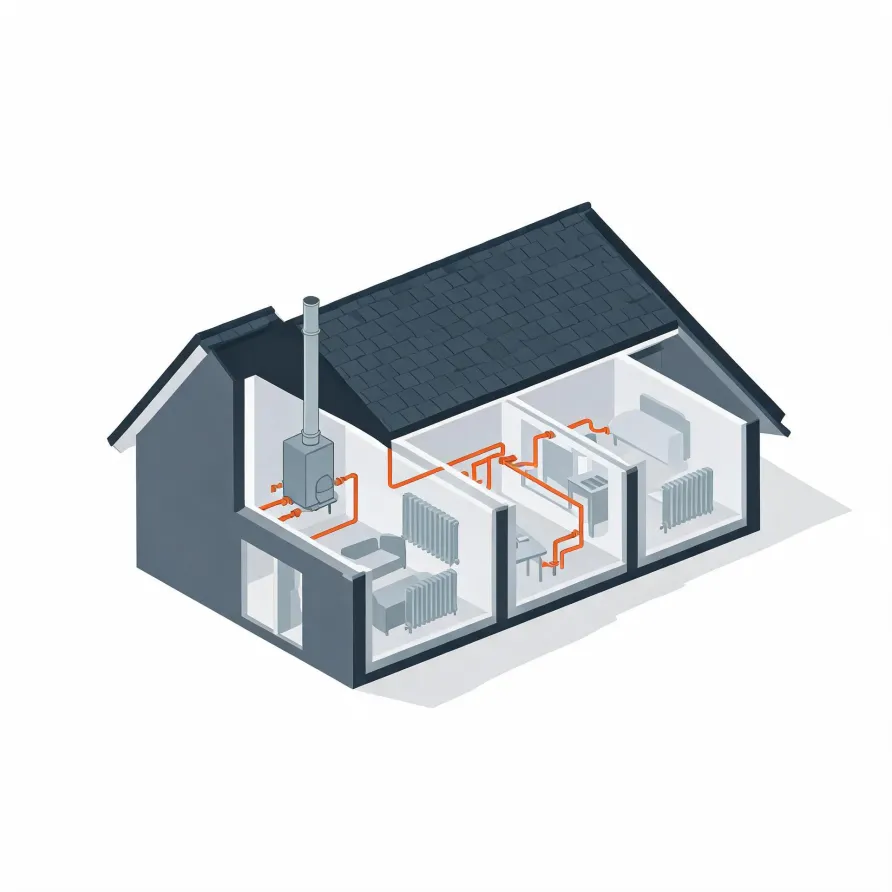
The boiler itself sits in the basement or utility room and is the piece a contractor goes to first. It heats water and pushes it through the system. When pressure readings are off, the burner is misfiring, or the heat exchanger has cracked, the problem lives here.
Pipes carry hot water from the boiler to radiators or baseboard units spread through the living spaces, and those terminal units are where the heat actually enters the rooms. The circulator pump, usually mounted close to the boiler, moves water through that loop, and the expansion tank nearby absorbs pressure changes as the water heats and cools.
The drawing shows a typical boiler layout, and a licensed contractor determines which components apply to your specific system.
Find a contractor in Franklin CountyFranklin County, Kansas, by the numbers
123 severe weather events were recorded in Franklin County, Kansas between 2015 and 2024.
NOAA National Centers for Environmental Information, Storm Events Database, bulk CSV export, events 2015-01-01 through 2024-12-31.Half the homes in Franklin County, Kansas were built in 1975 or earlier (2020-2024 ACS 5-year).
U.S. Census Bureau, 2020-2024 American Community Survey 5-Year EstimatesFranklin County, Kansas holds 11,310 housing units (2020-2024 ACS 5-year).
U.S. Census Bureau, 2020-2024 American Community Survey 5-Year EstimatesOwners occupy 72.2% of the occupied homes in Franklin County, Kansas (2020-2024 ACS 5-year).
U.S. Census Bureau, 2020-2024 American Community Survey 5-Year EstimatesSevere Weather Events in Franklin County
Hard weather puts real strain on boiler systems, and Franklin County has its own pattern of conditions that shape how hard local equipment has to work. That workload is why a boiler here faces repair demands a unit in a calmer climate might not.
123 severe weather events, 2015–2024. Source: NOAA National Centers for Environmental Information, Storm Events Database.