Tell us about the job
Takes about a minute. No obligation.
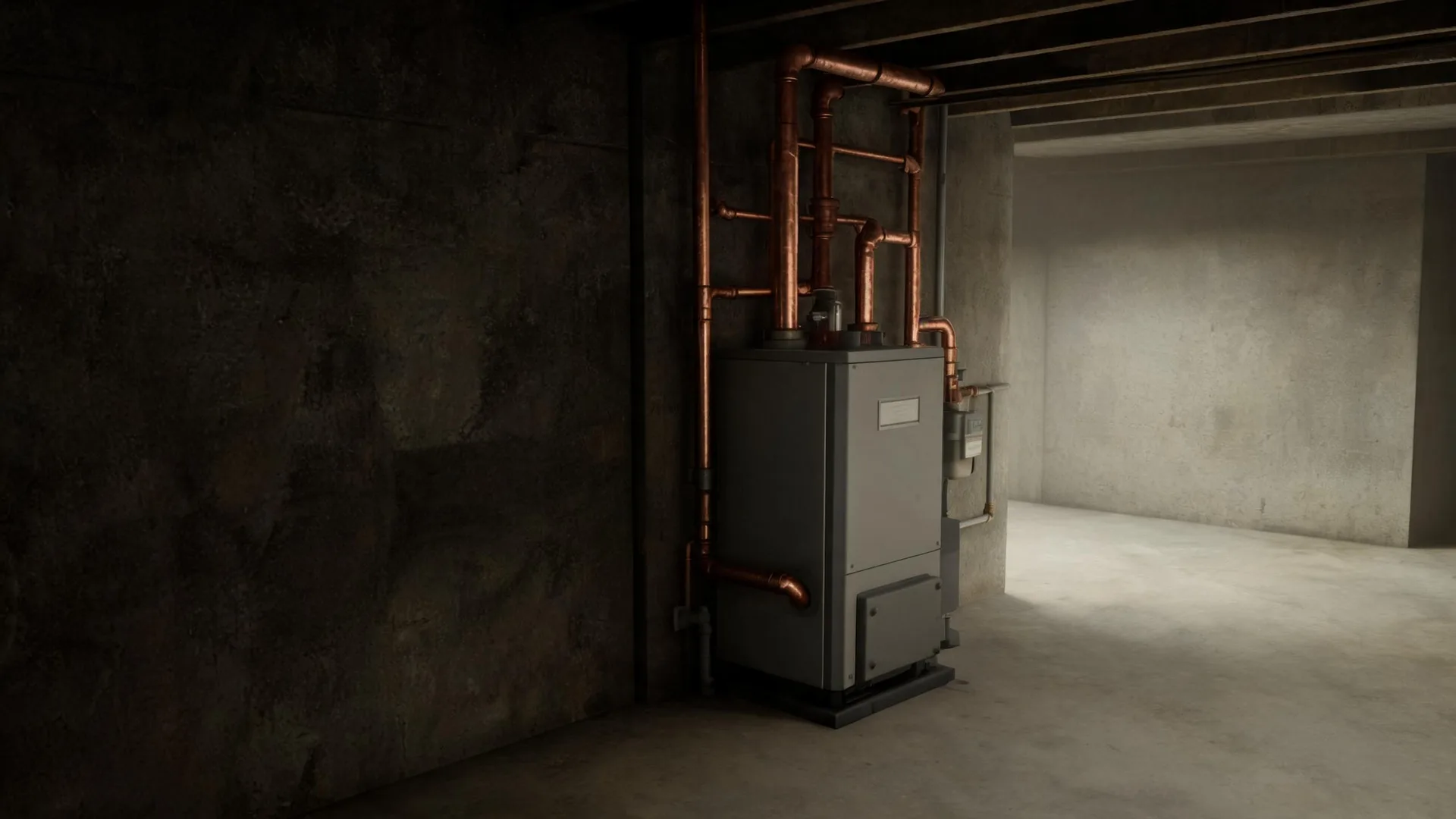
A boiler in Norton County has its burner firing and its heat exchanger cycling for the bulk of each calendar year. Homes in Norton County, KS run heat about eight months a year, from October through May. That load lands hardest on the ignition system and the heat exchanger, where repeated thermal stress leaves cracks, scale buildup, and worn seals that a contractor finds when the unit is opened. A failed circulator pump or a cracked section here carries a longer service history behind it than the part alone suggests, and a contractor quotes accordingly.
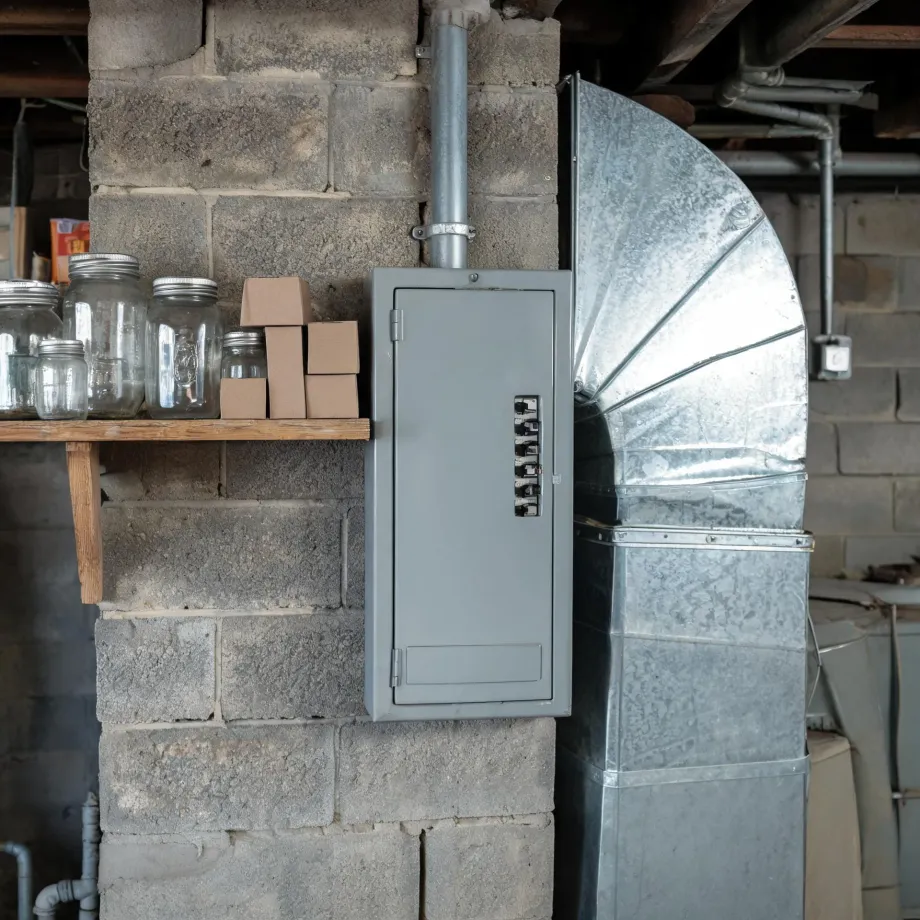
Boilers in housing this old are not running on their original equipment, but the bones of the original installation often are still there: floor penetrations, flue routing, and distribution piping sized for a system that may no longer exist as a product line. Half the homes in Norton County, Kansas were built in 1957 or earlier (2020-2024 ACS 5-year). That generation of construction favored cast-iron boilers and gravity-fed distribution, and a contractor opening one today has to determine whether the replacement parts it takes are still manufactured or whether sourcing them means waiting on specialty suppliers. That answer changes the repair scope and the timeline before anything else does.
The Parts of a Boiler a Contractor Checks First
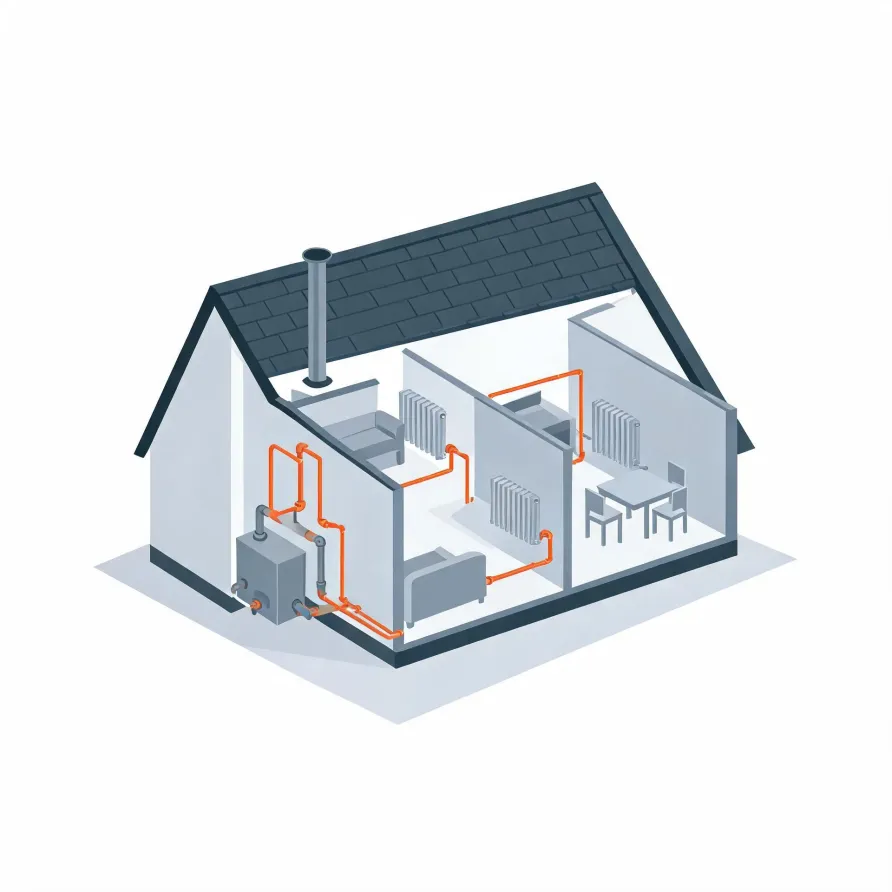
The boiler itself sits in the basement or a utility room and is where water gets heated before it moves through the house. A contractor working a repair call starts here, looking at the heat exchanger, the burner assembly, and the pressure vessel for the source of the problem.
From the boiler, supply pipes carry hot water to radiators or baseboard units in each room, and a circulator pump drives that flow. The expansion tank, pressure relief valve, and aquastat controls all sit close to the boiler and are regular checkpoints when something in the system stops behaving.
The drawing shows a typical boiler layout, and a licensed contractor determines which components apply to your specific system.
Find a contractor in Norton CountyNorton County by the Numbers
219 severe weather events were recorded in Norton County, Kansas between 2015 and 2024.
NOAA National Centers for Environmental Information, Storm Events Database, bulk CSV export, events 2015-01-01 through 2024-12-31.Half the homes in Norton County, Kansas were built in 1957 or earlier (2020-2024 ACS 5-year).
U.S. Census Bureau, 2020-2024 American Community Survey 5-Year EstimatesNorton County, Kansas holds 2,450 housing units (2020-2024 ACS 5-year).
U.S. Census Bureau, 2020-2024 American Community Survey 5-Year EstimatesOwners occupy 76.2% of the occupied homes in Norton County, Kansas (2020-2024 ACS 5-year).
U.S. Census Bureau, 2020-2024 American Community Survey 5-Year EstimatesSevere Weather Events in Norton County
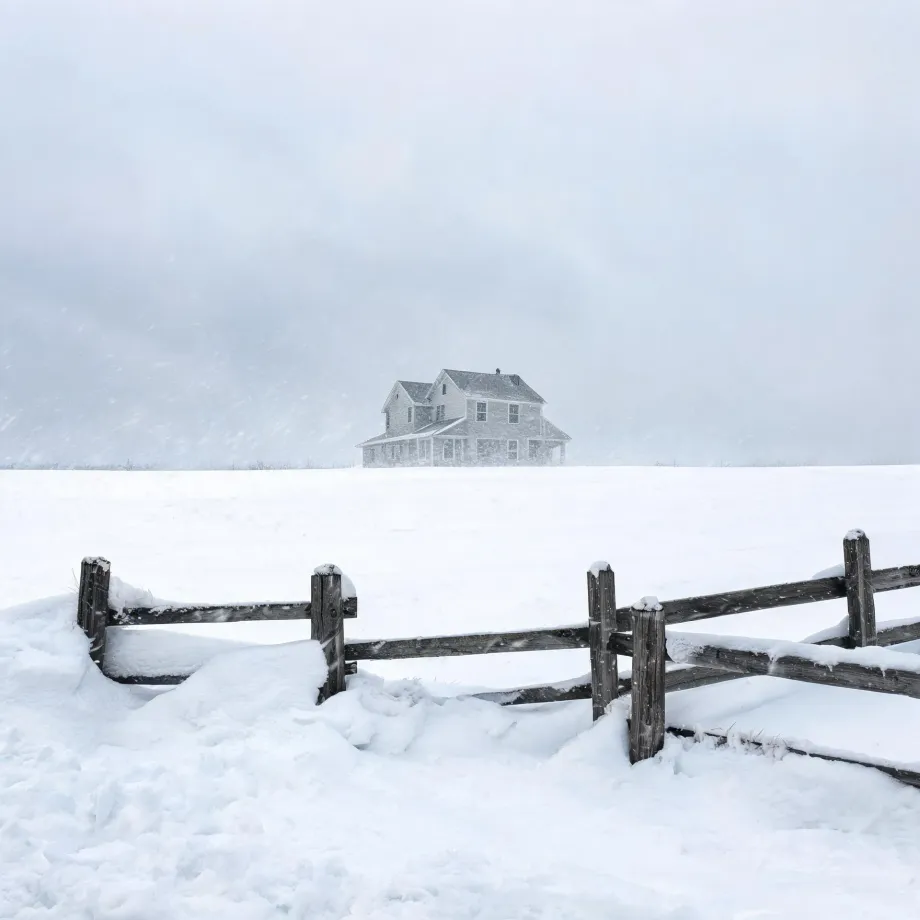
Boilers in Norton County work against whatever the climate puts on them, and weather stress shortens the life of heating equipment and drives repair calls. That makes local weather history a real factor in understanding what boilers here face.
219 severe weather events, 2015–2024. Source: NOAA National Centers for Environmental Information, Storm Events Database.