Tell us about the job
Takes about a minute. No obligation.
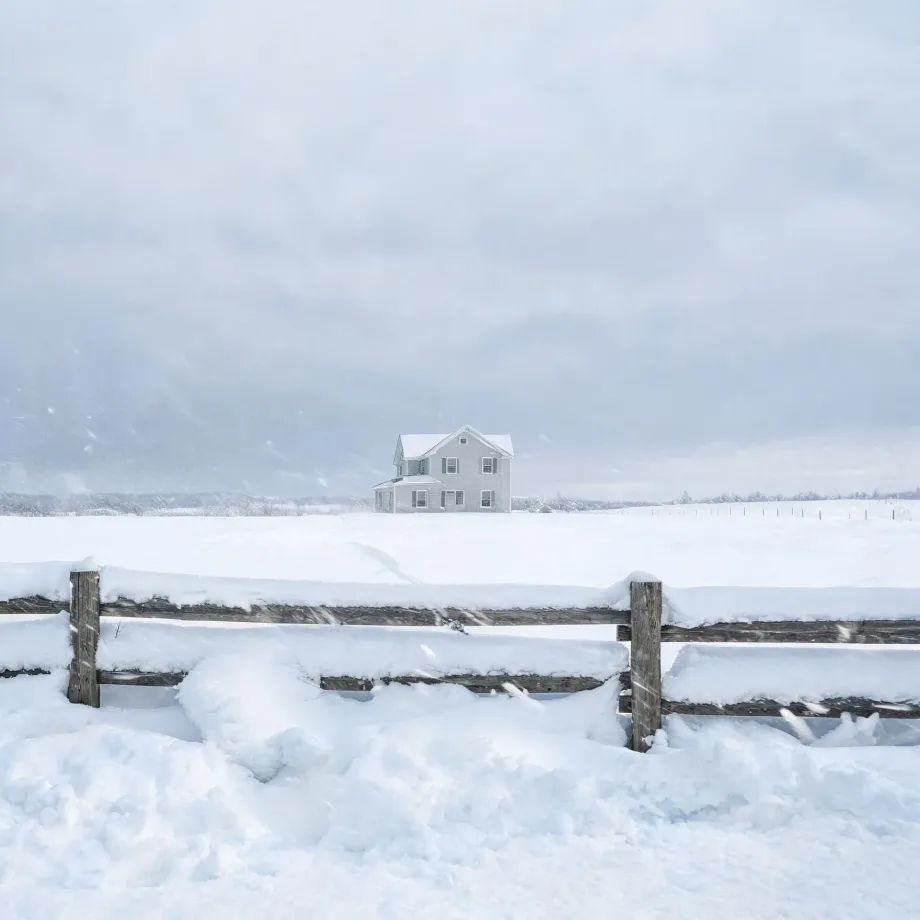
A boiler in Smith County earns its failures before warm weather arrives. Homes in Smith County, KS run heat about eight months a year, from October through May. Burner cycling and heat exchanger stress accumulate across that stretch, and by the time a homeowner notices a problem, the ignition system and heat exchanger have already absorbed the season's full load. A contractor quoting a repair here starts with those components, because that is where the wear lands.
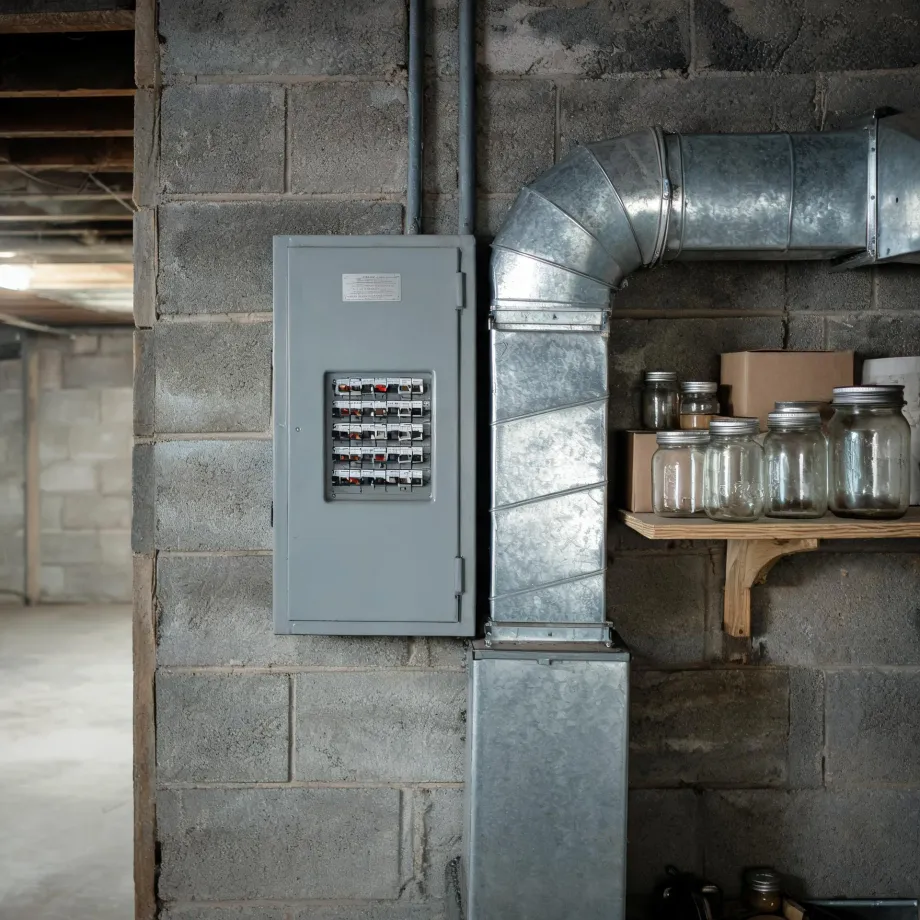
Boiler repair in prewar housing stock turns on what a contractor finds inside the unit, and the piping and heat exchanger condition that goes with it. Half the homes in Smith County, Kansas were built in 1954 or earlier (2020-2024 ACS 5-year). A house that old has had its heating system replaced or adapted at least once, which means the boiler running now is younger than the building but the distribution piping may not be. Corroded sections, sediment in a baseboard loop, or a cracked heat exchanger each send the repair in a different direction, and parts for older boiler models can be scarce or special-order, which changes both the timeline and what a contractor recommends as an alternative.
The Parts of a Boiler a Contractor Checks First
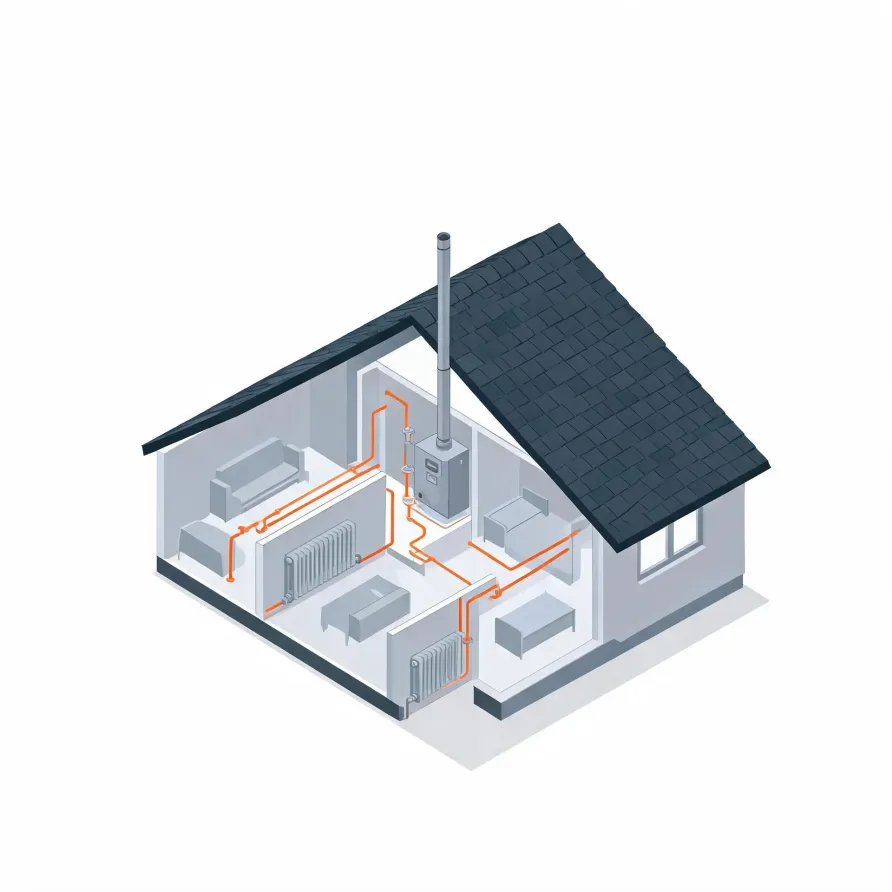
The boiler itself sits in the basement or a utility room and is the piece a contractor goes to first. It heats water and sends it out through the system. When a boiler is short-cycling, losing pressure, or failing to heat at all, the fault usually starts here, inside the heat exchanger or at the burner assembly.
From the boiler, pipes carry hot water to radiators or baseboard units in each room, where the heat is given off. The circulator pump moves water through those pipes and is a common point of failure when heat reaches some rooms but not others. The expansion tank and pressure relief valve sit close to the boiler and keep system pressure in a safe range.
The drawing shows a typical boiler layout, and a licensed contractor determines which components apply to your specific setup.
Find a contractor in Smith CountySmith County, Kansas, by the numbers
123 severe weather events were recorded in Smith County, Kansas between 2015 and 2024.
NOAA National Centers for Environmental Information, Storm Events Database, bulk CSV export, events 2015-01-01 through 2024-12-31.Half the homes in Smith County, Kansas were built in 1954 or earlier (2020-2024 ACS 5-year).
U.S. Census Bureau, 2020-2024 American Community Survey 5-Year EstimatesSmith County, Kansas holds 2,024 housing units (2020-2024 ACS 5-year).
U.S. Census Bureau, 2020-2024 American Community Survey 5-Year EstimatesOwners occupy 84.8% of the occupied homes in Smith County, Kansas (2020-2024 ACS 5-year).
U.S. Census Bureau, 2020-2024 American Community Survey 5-Year EstimatesSevere Weather Events in Smith County
Boilers in Smith County work against whatever the weather puts them through, and Kansas weather is not gentle on mechanical systems. The load a boiler carries over its life is shaped by local conditions, which is why repair needs here are a local question.
123 severe weather events, 2015–2024. Source: NOAA National Centers for Environmental Information, Storm Events Database.