Tell us about the job
Takes about a minute. No obligation.
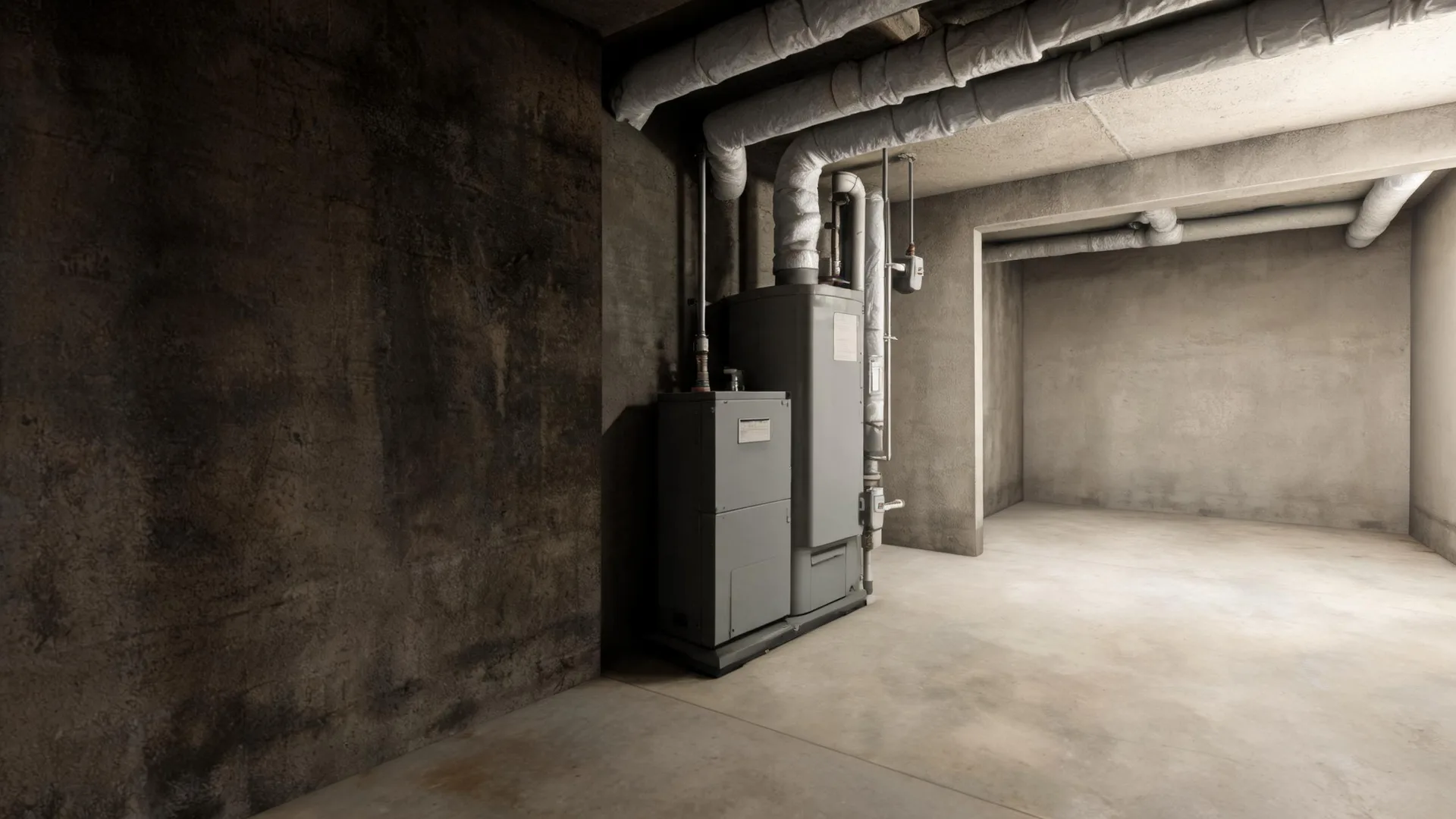
On a boiler repair call in Pottawatomie County, a contractor starts with the burner assembly and ignition system. Homes in Pottawatomie County, KS run heat about seven months a year, from October through April. That runtime piles cycling stress onto the components that fire the burner every time the thermostat calls for heat. The heat exchanger accumulates that same load, and a contractor checks it for fatigue and stress cracking before pricing anything else. Seals and expansion fittings that flex with every heating cycle show wear that a visual inspection from outside the unit will not catch.
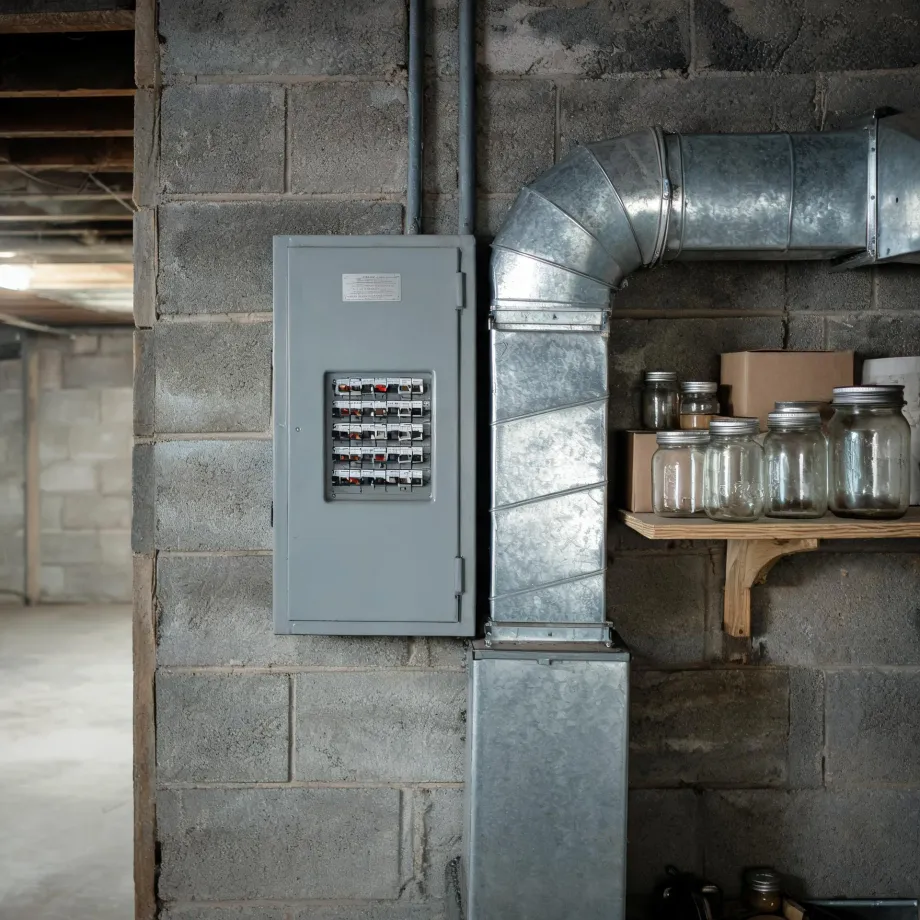
Boilers in this county's older housing stock were built to specifications that parts suppliers have largely moved past. Half the homes in Pottawatomie County, Kansas were built in 1987 or earlier (2020-2024 ACS 5-year). A contractor who opens a unit here may find that what failed is a heat exchanger section, a zone valve, or a burner assembly that has been out of regular production long enough that sourcing it takes real effort. That parts search shapes the repair more than the diagnosis does, and a homeowner's decision about repair versus replacement often comes down to what the supplier turns up.
The Parts of a Boiler a Contractor Checks First
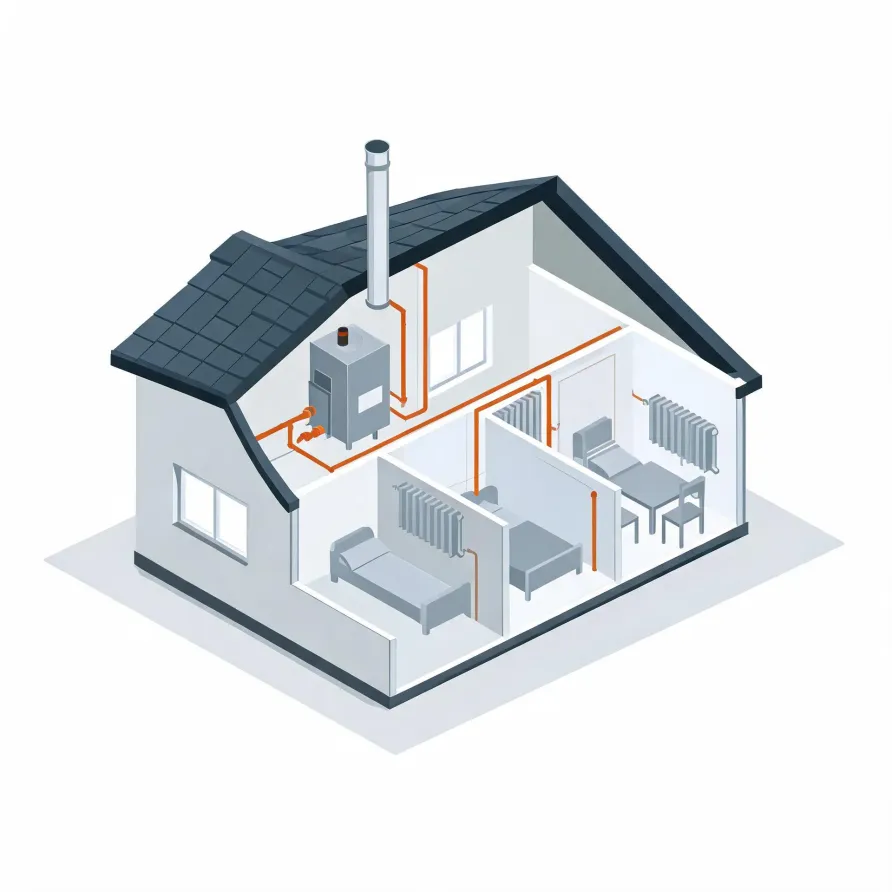
The boiler itself sits in the basement or a utility room and is the heart of the system, burning fuel or using electricity to heat water. When it fails, the fault is often in the burner assembly, the heat exchanger, or the controls that tell the unit when and how hard to fire.
The circulator pump moves heated water through the pipes to the radiators or baseboard units throughout the house. A contractor also checks the expansion tank, the pressure relief valve, and the thermostatic controls, since any one of those can interrupt the whole system when it stops doing its job.
The drawing shows a typical boiler layout, and a licensed contractor will determine which components apply to your specific setup.
Find a contractor in Pottawatomie CountyPottawatomie County, by the numbers
171 severe weather events were recorded in Pottawatomie County, Kansas between 2015 and 2024.
NOAA National Centers for Environmental Information, Storm Events Database, bulk CSV export, events 2015-01-01 through 2024-12-31.Half the homes in Pottawatomie County, Kansas were built in 1987 or earlier (2020-2024 ACS 5-year).
U.S. Census Bureau, 2020-2024 American Community Survey 5-Year EstimatesPottawatomie County, Kansas holds 10,214 housing units (2020-2024 ACS 5-year).
U.S. Census Bureau, 2020-2024 American Community Survey 5-Year EstimatesOwners occupy 82.2% of the occupied homes in Pottawatomie County, Kansas (2020-2024 ACS 5-year).
U.S. Census Bureau, 2020-2024 American Community Survey 5-Year EstimatesSevere Weather Events in Pottawatomie County
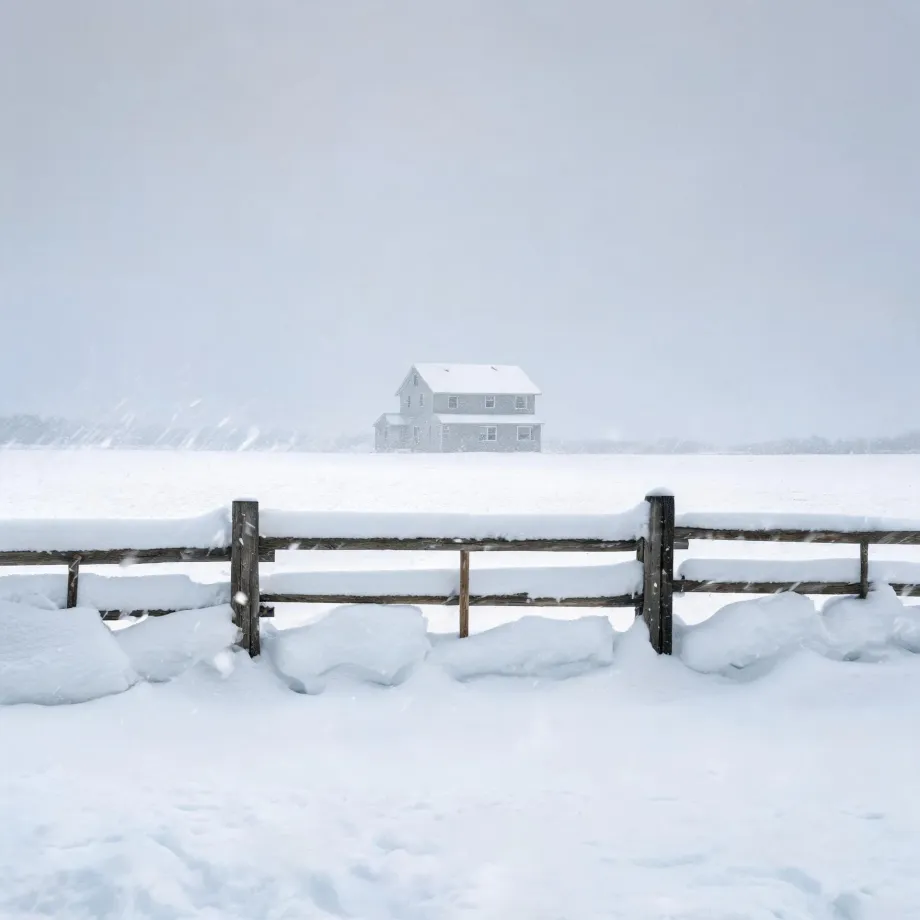
Pottawatomie County weather puts real stress on boiler systems, pushing them hard when conditions outside turn extreme. That workload accumulates over time, and knowing the local pattern is part of understanding what repair work here actually involves.
171 severe weather events, 2015–2024. Source: NOAA National Centers for Environmental Information, Storm Events Database.